KajoMag

KajoMag is a Borneo-based digital publication exploring culture, heritage, travel and contemporary life.

Malaysia, Indonesia complete joint wildlife trafficking enforcement training

TAWAU: Wildlife enforcement officers from Malaysia and Indonesia recently completed a five-day joint training programme in Sabah aimed at strengthening cross-border investigations into wildlife trafficking.

The Transboundary Wildlife Trafficking Investigations Training brought together frontline enforcement personnel from Sabah and Indonesia’s North Kalimantan to improve cooperation against trafficking syndicates operating across Borneo.

Organised by the Sabah Wildlife Department (SWD) and managed by the Danau Girang Field Centre (DGFC), the programme was supported by WWF Malaysia and WWF Indonesia under the Sabah’s Harmonised Intelligence, Enforcement and Legal Defence Against Wildlife Crimes (SHIELD) programme, funded by the U.S. Department of State’s Bureau of International Narcotics and Law Enforcement Affairs (INL).

Over five days, participants received training in controlled delivery operations, covert surveillance, technical tracking, tactical search procedures, crime scene management, informant handling and intelligence gathering. The programme concluded with a full-day simulation requiring officers from both countries to establish a joint cross-border command post, coordinate investigations, apprehend suspects, manage evidence and prepare investigation reports that meet bilateral evidentiary standards.

DGFC SHIELD Project Coordinator Dr Milena Salgado-Lynn said organised wildlife trafficking syndicates continue to exploit the extensive land and maritime border between Sabah and Kalimantan to smuggle protected wildlife into lucrative illegal markets.

“Key targets include protected species such as pangolins, Bornean elephants, sun bears and sea turtles. Cross-border cooperation between Malaysian and Indonesian law enforcement agencies is therefore essential to identify, disrupt and dismantle the criminal groups operating between the two countries,” she said.

The training was designed to strengthen coordination between enforcement agencies by improving intelligence sharing, harmonising investigative approaches and establishing closer working relationships for future joint operations.

The closing ceremony was officiated by Sabah Wildlife Department Director Mohd Soffian Abu Bakar, who commended participating agencies and officers for their commitment to protecting the region’s biodiversity.

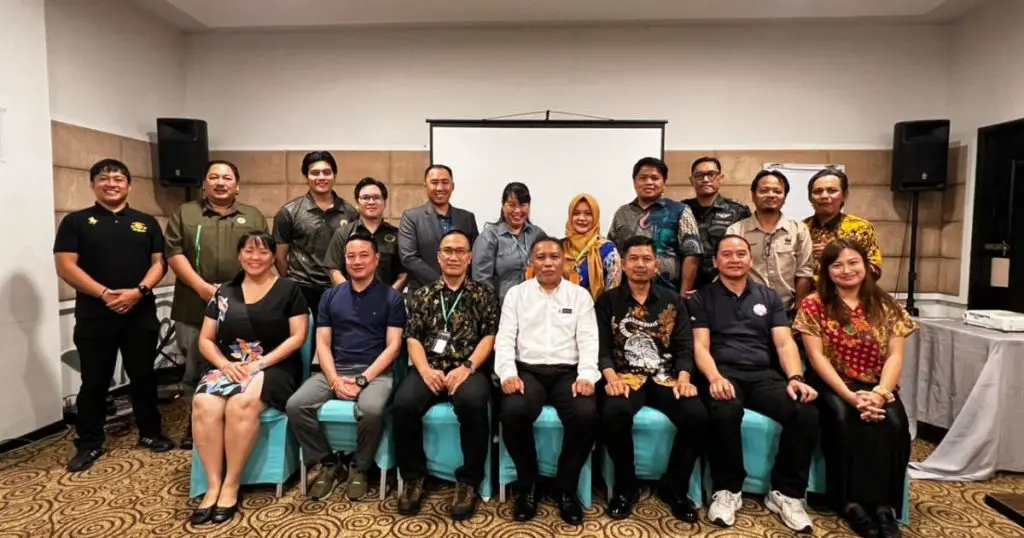
Malaysia, Indonesia complete joint wildlife trafficking enforcement training
Mohd Soffian Abu Bakar, Director of the Sabah Wildlife Department (SWD) with delegates attending the Transboundary Wildlife Trafficking Investigations Training.

“This collaborative effort serves as a critical foundation for protecting our region’s irreplaceable biodiversity heritage from the severe threats posed by international organised criminal syndicates,” he said.

He added that continued cooperation and mutual trust between Malaysia and Indonesia would strengthen efforts to combat cross-border wildlife trafficking and safeguard the island’s shared biodiversity.

Borneo orangutans, hornbills to benefit from new Ficus tree plantings

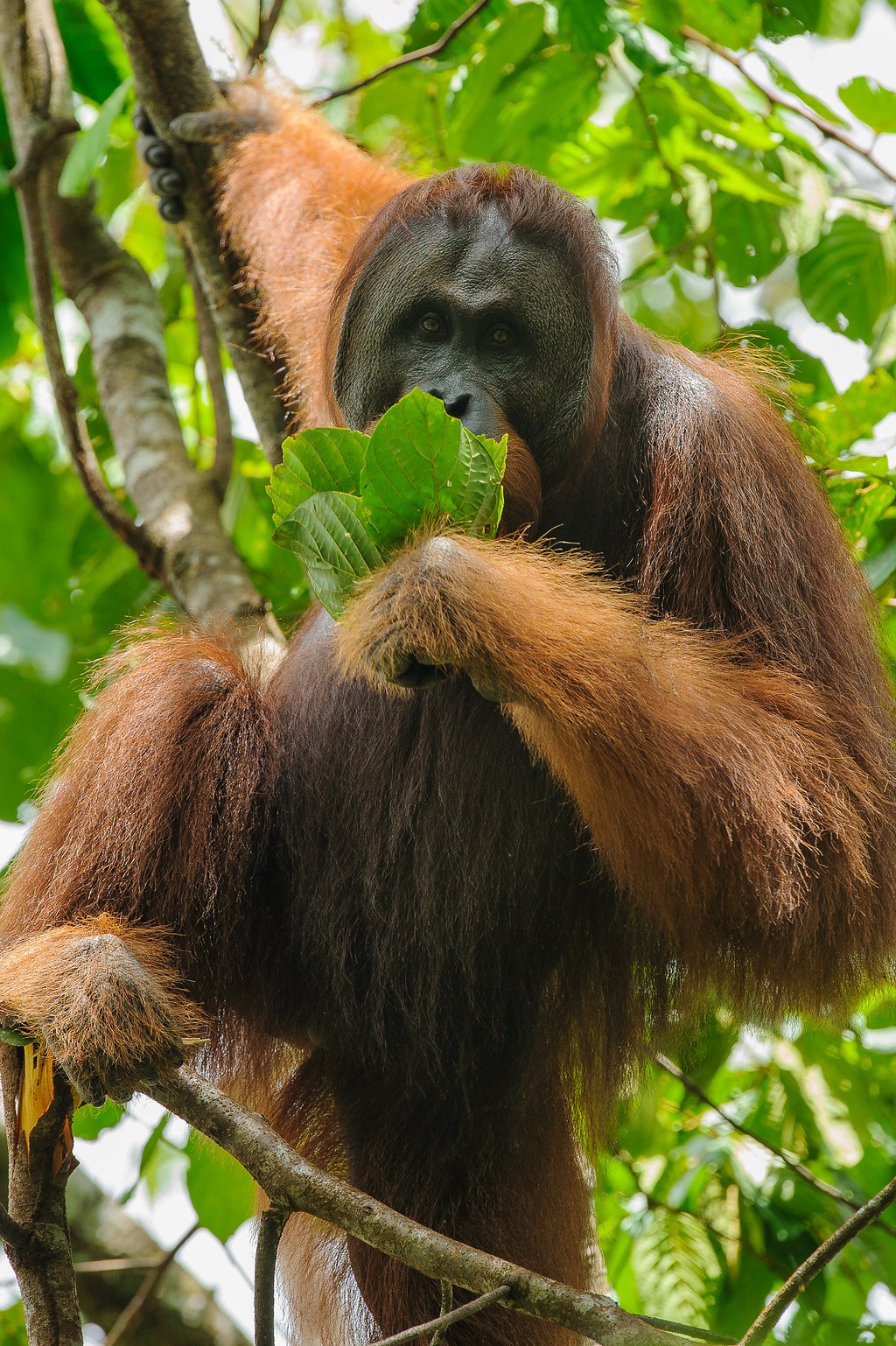
TAWAU: Around 100 Ficus (fig) seedlings have been planted in a High Conservation Value (HCV) area at Hillco Plantation to create a future food source for wild orangutans and hornbills as part of ongoing efforts to improve biodiversity within Sabah’s agricultural landscapes.

The annual tree-planting initiative was carried out by the Danau Girang Field Centre (DGFC) together with 19 undergraduate and master’s students from Cardiff University. Once mature, the Ficus trees are expected to provide a reliable, year-round food source for the region’s wild orangutan and hornbill populations.

The second annual planting also served as a tribute to two champions of global biodiversity conservation: the late Professor Michael Bruford, a renowned molecular ecologist and conservation geneticist from Cardiff University, and the late Peter Riger, the long-serving Conservation Director of Houston Zoo.

“These incredible men, who left us too early, were two of the biggest supporters of DGFC since its infancy,” said DGFC Director and Cardiff University professor Dr Benoit Goossens.

To improve the seedlings’ chances of survival, the team utilised innovative planting techniques to mitigate local environmental challenges. Seedlings were planted halfway up existing trees to keep them above seasonal floodwaters. Each sapling was also enclosed in protective wire mesh to prevent macaques from pulling them down.

Joining the event were conservationists Dr Junaidi Payne, author of Mammals of Borneo with more than 50 years of conservation experience in Sabah, and Dr Zainal Zahari Zainuddin, a pioneer in Sumatran rhinoceros conservation. Dr Zainal also manages the specialised nursery where the Ficus seedlings were propagated. Both lead the organisation Bringing Back Our Rare Animals (BORA).

Goossens said the initiative forms part of a long-term partnership to make agricultural landscapes more hospitable to native wildlife. He also thanked Felda Global Ventures (FGV) and Hillco Estate for their continued collaboration, particularly Hillco Estate Senior Manager Peter Soibun and FGV Head of Services Mark Martin.

“Every seedling planted during this event marks a tangible step towards creating a safer and more resilient habitat for Borneo’s endangered wildlife,” he said.

Borneo orangutans, hornbills to benefit from new Ficus tree plantings
Group picture at Hillco Plantation.

How Iban Filmmaker Clayvert Unji Is Searching for Home, One Story at a Time

When Merinsak (Hardship) won the film category at Starbucks Malaysia’s Kopi Creator Kolektif (KCK) 2026, it marked an important milestone for Sarawakian filmmaker Clayvert Unji.

Organised by Starbucks Malaysia to showcase emerging creative talent, the programme recognised the film teaser Merinsak for its heartfelt portrayal of a young Sarawakian determined to risk everything to return home for Gawai. For Clayvert, founder of Tanahliat Studios, the recognition was less the culmination of a career than an affirmation that he was on the right path.

Anyone discovering his work through Merinsak will soon realise that the project’s central themes did not emerge overnight.

Searching for Belonging

Long before Merinsak, Clayvert had already begun exploring migration, identity and belonging – subjects rooted as much in his own experiences as in those of the people around him.

Growing up in Bintulu after spending part of his childhood in Miri, he describes his childhood as much like that of many other young Sarawakians.

“I would say my childhood was pretty normal; like most Sarawakian kids were. Mom was working in the government sector, dad works in oil and gas, we had our weekend barbecues, family trips on the road, visiting other towns nearby, and two pet dogs that I love and cherish dearly.”

Although academically driven as a child, by secondary school he found himself increasingly drawn to creative pursuits – debate, theatre, poetry, broadcasting and youth programmes. While many of his classmates focused on academics, he immersed himself in activities that allowed him to tell stories, speak publicly and work with others.

Not everyone understood those choices. As his grades slipped, he recalls being sidelined and criticised by friends and family. The experience planted a desire to look beyond his small-town surroundings, searching for a place where his creative interests would be appreciated.

“I knew that somewhere out there, I would be valued. I would say that looking for the sense of belonging, the constant searching of what home means, that’s what inspires most of my stories, because even now, I am still looking for a place where I could call home.”

While studying IT in Kuching, Clayvert would spend much of the 2019 What About Kuching (WAK) festival attending talks, performances and exhibitions instead of thinking about programming. One event, however, would change the direction of his life.

“It was a poetry recital at a cafe right across St. Mary Secondary School Kuching that made me question what I actually wanted to do with my life. I was surrounded by so many creative people, from all forms and walks of life and career that I never knew existed, or possible. There, I decided to research what I actually wanted to do in life, and what I was actually passionate about.”

Within months, he made the difficult decision to leave IT behind, despite having no clear roadmap ahead.

“I was scared and afraid of what I didn’t know, because nobody in my family or friends ever stepped foot into a creative line of career. I simply had no one to look up to, and no sense of direction.”

He would enrol in a Diploma in Mass Communication in Shah Alam, choosing a course that exposed him to writing, animation, filmmaking and digital media before eventually continuing his film studies at Multimedia University (MMU).

“For the first time in my life, I actually enjoyed what I was learning. For two years, I was hyper focused on studying and gaining more knowledge from whatever the lecturer could teach me, and being open to unlearning and deconstructing whatever assumptions and prejudice I had when I came into the course.”

Finding a voice through film

Another encounter at MMU would further shape his direction.

Filmmaker and lecturer Zan Azlee screened the documentary Grey Gardens during one of his classes. While many of his classmates struggled to stay engaged, Clayvert found himself captivated. More importantly, he found a mentor willing to answer his questions about filmmaking, documentaries and storytelling.

“Mr. Zan Azlee opened up my views, my thoughts, and my mind when it comes to the world of filmmaking. He is the first person to have encouraged me to continue making films after university.”

His experience with Zan Azlee reinforced his decision to pursue filmmaking professionally – a medium that brought together his love for storytelling, narrative writing and visual arts.

Tanahliat Studios began during Clayvert’s first year at MMU. As students were asked to create production house names for their films, he chose Tanahliat Studios as a play on his nickname, Clay. Although he expected it to exist only for the assignment, the name endured, becoming the banner under which he would continue making films.

How Iban Filmmaker Clayvert Unji Is Searching for Home, One Story at a Time
Clayvert with some of his team members at Tanahliat Studios.

Stories that lead home

His first short film, Pulai, remains especially personal. It was, he says, one of the few films in which an anak perantauan like himself could recognise his own experiences.

Released in 2023, Pulai follows someone who leaves home for the city, only to find that distance complicates rather than resolves their relationship with the place they left behind. As they juggle expectations and responsibilities from afar, the film asks a question that Clayvert himself was grappling with at the time: what does home mean when you no longer feel entirely part of it?

“It was a very vulnerable time for me, as I questioned what home is and what home meant. I have been jumping places trying to find my voice and reasoning, and being away from home, I feel more like a visitor than a resident. It feels surreal.”

The response at its screening confirmed he was not alone. Audience members from different parts of Malaysia – and beyond – who had left home to study or work recognised something of themselves in the story.

“It definitely became my aspiration to make more films that speak about our experiences.”

His next short film, Anak Jantan, explored similar questions from a different perspective.

Inspired by renewed discussions surrounding Malaysia’s National Service Training Programme (PLKN), the film imagines the friendships, anxieties and shared experiences that emerge when young people are brought together in unfamiliar surroundings. Although different in setting, it continued his interest in how people navigate change, relationships and belonging.

By the time he worked on the teaser for Merinsak, those recurring themes had become central to Clayvert’s early body of work.

The short film follows Pam, a Sarawakian student studying in Kuala Lumpur who goes to extraordinary lengths to return home for Gawai. Clayvert describes Pam not as a single individual, but as a composite of people he knows – friends, cousins, his sister and even parts of himself – who have had to migrate for better opportunities.

Authenticity, however, extends beyond the story itself. While making Merinsak, Clayvert worked with collaborator Azura to ensure the dialogue reflected the characters’ backgrounds. Pam, for instance, grew up in Sibujaya while her family hails from Kapit, shaping both her accent and dialect.

“From there, we build the accent and dialect for her character, so it’s more realistic for the Iban speaking viewers. It might seem so minuscule, but representation still matters, and the correct representation is important.”

Telling East Malaysian Stories

How Iban Filmmaker Clayvert Unji Is Searching for Home, One Story at a Time
Clayvert hopes to explore more contemporary East Malaysian stories through his lenses.

That philosophy also shapes the stories he hopes to tell in the future.

Rather than limiting Iban representation to historical settings or familiar stereotypes, Clayvert wants to tell stories about contemporary Iban communities whose lives unfold across cities, campuses and workplaces. More broadly, he hopes to contribute stories about “my people back home”, introducing audiences across Malaysia to the diverse characters and experiences that shape East Malaysian life.

“Representation of our existence and livelihood is more important than ever. It is concerning how Sarawak has developed so much over the last few decades, and yet you still get the occasional ‘How do you live in a forest?’ question from people outside the state. I believe we need to have more visibility and awareness of a modern day metropolitan Iban representation on screen, not only to educate and spread awareness to the outside world; but also to have modern day Sarawakian relate to the characters, as it is their lived experience too!”

As a filmmaker at the beginning of his career, Clayvert is careful not to map out every step ahead. He hopes to one day direct more films in Sarawak and contribute to its growing creative community. For now, he is focused on learning, collaborating and gaining experience wherever opportunities arise.

That collaborative spirit also informs the advice he gives aspiring filmmakers from Borneo.

“The first step is always the hardest, but it is very important to take that first step, because that will open up more doors,” he says. “Connect with your communities, and always be open to make new connections, networks, and friends. At the end of the day, filmmaking is collaborative work, and it takes a village to create something spectacular.”

Asked what he hopes audiences will remember when they look back on his work years from now, Clayvert’s answer is not about awards or acclaim. Instead, he hopes his films leave behind two simple ideas: hope, and connection.

“Hope in a way where there is always hope for all of us in our journey,” he says. “Connected as in knowing that you are not alone in this journey, and my work is the reflection of it.”

AirBorneo: Building Sarawak’s state-owned airline

KUCHING: AirBorneo will begin selling tickets for its first international route between Kuching and Singapore on 13 July through its official website and mobile app.

The daily service begins on 22 July, coinciding with Sarawak Day – two days after AirBorneo’s commercial launch between Kuching and Kuala Lumpur on 20 July. Economy Class fares start from RM399, while Business Class fares start from RM871, Bernama reported.

The new international route forms part of the roadmap AirBorneo outlined during a media roundtable earlier this week as it builds its commercial network alongside its Rural Air Services operations.

Building a premium regional airline

During the media roundtable, AirBorneo Holdings Sdn Bhd chairman Datuk Amar Mohamad Abu Bakar Marzuki outlined the airline’s long-term role in strengthening connectivity within Sarawak, where the state’s size and geography make air travel an essential mode of transport for many communities.

He said AirBorneo aims to strengthen links within Sarawak while improving connectivity with Peninsular Malaysia and the wider region as it develops into a premium regional carrier serving both Sarawakians and visitors.

“This is our aspiration, to become a premium airline that can provide the best service to our people, not only in Sarawak, but also our friends from other places. And as we all know, this airline is not only to service people from Sarawak to the other parts of the world, but we want to provide services for people from other parts of the world to come to Sarawak.”

Rather than expanding rapidly, AirBorneo plans to build its commercial network in stages. Chief executive officer Megat Ardian Aminuddin said starting with a smaller fleet would allow the airline to maintain cost discipline while establishing a sustainable foundation for future growth.

“Starting with two aircraft gives us a controlled growth trajectory. With two, we can be very disciplined on cost.”

As the network expands, AirBorneo plans to adopt a hub-and-spoke model centred on Kuching, allowing passengers arriving on commercial flights to connect with destinations across Sarawak.

Stabilising fares

Stabilising airfares between Sarawak and Peninsular Malaysia is one of AirBorneo’s key mandates, with the airline introducing its RM375 all-inclusive “Sarawakku Sayang” Economy fare as part of its effort to keep fares consistent throughout the year, including during peak travel periods.

The airline’s first commercial initiative was the launch of bookings for the Kuching–Kuala Lumpur service on 7 July, with Business Class fares starting from RM736.

Megat Ardian said the RM375 fare was benchmarked against the average lowest fares offered by airlines operating the Kuching–Kuala Lumpur route after reviewing fare data from the first six months of the year, as well as average low fares from the previous year.

The all-inclusive fare covers airport taxes, a 23kg checked baggage allowance, 10kg cabin baggage, complimentary seat selection and an in-flight meal.

“Some carriers can be slightly lower than us, but it may not be all-in fare. They may just be a base fare, but they haven’t included airport tax, baggage, food or seat selection.”

Megat Ardian said surveys consistently identified high airfares between Sarawak and Peninsular Malaysia as one of travellers’ biggest concerns, prompting the airline to make fare stabilisation one of its priorities.

“One of the main things is the high fare price between Semenanjung as well as the Sarawak region. Those are the things that we want to stabilise going forward. So that’s why we introduced this fare.”

Asked whether competing airlines lowering their fares signalled the start of a price war, he said AirBorneo expected the market to respond.

“If the local carriers did not react to our price, then we are irrelevant in a way. But it’s good that we made an impact.”

Mohamad Abu Bakar said the airline had already begun seeing the impact of its pricing strategy.

“After we announced the price, it seems that the other airlines’ pricing is more or less the same. It means that we managed to stabilise the price.”

Strengthening Rural Air Services

AirBorneo currently operates 14 turboprop aircraft comprising eight ATR 72-500s and six Twin Otters serving 21 airports across Sarawak, Sabah and Labuan. The network has been carrying between 60,000 and 70,000 passengers each month since January and is targeting about 850,000 passengers annually.

Megat Ardian acknowledged recent disruptions, saying improving operational resilience had been one of the airline’s priorities over the past six months.

AirBorneo is improving reliability through faster spare-parts transfers, quicker deployment of maintenance personnel, shorter repair turnaround times and additional suppliers to improve aircraft availability. It is also rationalising lower-demand services to create more maintenance time while retaining connectivity.

Additionally, eight new ATR 72-600 aircraft scheduled for delivery between 2027 and 2029 will progressively replace the existing ATR 72-500 fleet.

“RAS is a social obligation. It’s not just about tourism. It’s not just about investment, but it’s also essential services.”

What would you risk to get home for Gawai? Iban filmmaker wins Starbucks Kopi Creator Kolektif 2026 with ‘Merinsak’

KUALA LUMPUR: Tanahliat Studios, led by Iban director Clayvert Unji, emerged as the winning filmmaking team in Starbucks Malaysia’s Kopi Creator Kolektif (KCK) Class of 2026 with their teaser Merinsak (Hardship).

Rooted in the experience of leaving home and navigating the tension between ambition, family and belonging, Merinsak follows Pam, a student living in Kuala Lumpur whose desperate attempt to return to Sarawak for Gawai Dayak pushes her and her friends into a plan that tests their morals, friendship and sense of responsibility.

The teaser was presented at the KCK Showcase held at Starbucks Reserve® IOI Mall Damansara on 16 May 2026, where finalists of KCK Class of 2026 unveiled their projects to a live audience before winners were selected.

The KCK Class of 2026 featured 10 finalists comprising five emerging musicians and five filmmaking teams who spent several weeks refining their projects before presenting their work to a live audience. The winners – one musician and one filmmaker – were selected by a panel of industry professionals based on their ideas, presentations, growth throughout the programme and audience votes, with each receiving a grand prize valued at RM10,000.

The film finalists included Batu Belah Productions, C317, Keladak Krunchy, Sudhifilem and Tanahliat Studios, while the music finalists comprised Akardia, Huey Yeing, Sharkfins, Suehaila and Thariq Amran.

Kopi Creator Kolektif was launched by Starbucks Malaysia as a creative platform designed to support emerging Malaysian musicians and filmmakers. With support from Breaking Music, Weekend Boys Studio and Multimedia University’s Faculty of Cinematic Arts, mentors and industry professionals worked closely with the 10 finalists to refine their craft, helping musicians sharpen their sound and stage presence while guiding filmmakers in developing concepts that could connect with audiences.

“KCK came at a time when I was still finding my footing after film school, and it gave me hope that there are platforms for young creatives to take a real step forward,” said Clayvert, a graduate of Multimedia University’s Faculty of Cinematic Arts. His experiences of living away from home for more than half a decade have shaped his interest in stories about migration, friendship, place and belonging—themes reflected in Merinsak.

“This win gives us the opportunity to take Merinsak further, while telling a story that comes from a very personal place. As an Iban Sarawakian living in Kuala Lumpur, I wanted to reflect East Malaysian experiences beyond the usual lens of culture, heritage or tourism.”

He added that the mentorship programme encouraged him to trust his own perspective and push the story beyond familiar narratives.

“Through KCK, I was encouraged not to overthink or limit the story to what feels familiar, but to trust my perspective and push it further. Most importantly, I’m grateful to my crew for shaping this vision with me.”

Tanahliat Studios is led by Clayvert as director, alongside producer “Kiwi” Ang, co-producer Dania Irdina, editor Rue Feng Wen, director of photography Jenn Tan and production designer Vyl Chang.

According to mentor Adam Zainal, a film director and alumnus of Multimedia University’s Faculty of Cinematic Arts, the filmmakers stood out for the authenticity of their storytelling.

“For the film cohort, what stood out was the uniqueness and honesty of their stories,” he said. “The filmmakers brought ideas rooted in their own communities, observations and personal journeys.”

Musician Suehaila emerged as the winner of the music cohort and secured a recording deal that includes the production of a four-track EP.

For Tanahliat Studios, the win provides an opportunity to further develop Merinsak into a completed short film and bring its Gawai Dayak-inspired story to a wider audience.

10,000 Sarawakians Gather for MILO® Malaysia Breakfast Day 2026 to celebrate healthy living and togetherness

KUCHING: MILO® Malaysia Breakfast Day 2026 made its return to East Malaysia for the third stop of its nationwide initiative, bringing together families, fitness enthusiasts and local communities in a celebration of active living, nutritious breakfasts and togetherness.

The Sarawak edition drew approximately 10,000 participants for a 3-kilometre fun run which also featured a range of interactive experiences designed to encourage movement, engagement and quality family time. Participants enjoyed fitness challenges, interactive booths and family-friendly activities that transformed the event into a lively community gathering.

MILO® Malaysia Breakfast Day also featured educational elements through the Nestlé for Healthier Kids (NH4K) programme, which promotes healthier eating habits among children and families. Participants had the opportunity to learn more about balanced nutrition through interactive educational activities centred around Malaysia’s “Suku-Suku Separuh” concept, encouraging healthier meal planning and better dietary choices in an engaging and practical way.

On-ground activations include the Nestlé for Healthier Kids (N4HK) 
programme, which promotes balanced 
nutrition education and the “Suku-Suku 
Separuh” in an engaging and 
family-friendly way.
On-ground activations include the Nestlé for Healthier Kids (N4HK) programme, which promotes balanced nutrition education and the “Suku-Suku Separuh” in an engaging and family-friendly way.

Dato Wee Hong Seng, Mayor of Kuching South City Council (MBKS), said, “Sarawak is known for its rich cultural diversity and strong community spirit. It is encouraging to see people from different ethnic backgrounds coming together through a programme that promotes both nutritious breakfast habits and active living in line with the Sarawak spirit.

“While our communities may have different traditions and lifestyles, we all share the common goal of raising healthier families and stronger communities. Events like this help strengthen those connections while encouraging positive lifestyle practices that benefit people of all ages.”

10,000 Sarawakians Gather for MILO® Malaysia Breakfast Day 2026 to celebrate healthy living and togetherness
Dato Wee Hong Seng (third left) joins Juan Aranols, Chief Executive Officer of Nestlé Malaysia, Singapore and Brunei (second left); Ng Su Yen, Business Executive Officer, MILO® (third right); DSP Zamry Bin Alli, Head of the Management Division of the Kuching District Police Headquarters (IPD Kuching) (second right); Andrew Yoon, Consumer Marketing Manager, MILO® (right); and Nadhir Nasar, Friend of MILO® (left), for a photo opportunity before the flag off of MILO® Malaysia Breakfast Day 2026 in Kuching.

Ahmad Irfan Arsyad, 16, was the first participant to cross the finish line at MILO® Malaysia Breakfast Day 2026 Sarawak. A long-time participant, this marks his sixth time taking part in the event since first attending in 2017, which he now attends together with his family.

“I have been joining MILO® Malaysia Breakfast Day since I was just 7 years old. Over the years, it has become a yearly tradition for me, and I always look forward to it. MILO® has been part of my childhood, so I grew up as a MILO® Kid and it naturally became part of my routine.”

10,000 Sarawakians Gather for MILO® Malaysia Breakfast Day 2026 to celebrate healthy living and togetherness
Ahmad Irfan Arsyad (third left) was the first participant to cross the finish line at the MILO® Malaysia Breakfast Day in Sarawak, while three of his friends, who also finished in the top 10, stand beside him posing with their medals.

Siti Noor Fadilah, 36, who attended MILO® Malaysia Breakfast Day 2026 with 29 family members from Samarahan and Asajaya, said: “My children and family members are huge MILO® fans. In fact, we can finish a 1kg pack of MILO® in just a few days at home.

“When we heard that MILO® Malaysia Breakfast Day was coming to Sarawak, everyone was excited and wanted to be part of it. We even travelled almost an hour to get here today. What makes this experience even more special is that it is our first time participating in an event like this together as a large family spanning different generations. It gave us the opportunity to spend quality time together while learning more about healthy breakfast habits and active living.”

10,000 Sarawakians Gather for MILO® Malaysia Breakfast Day 2026 to celebrate healthy living and togetherness
Part of Siti Noor Fadilah’s 30-member family group from different generations travelled nearly an hour to participate in the event.

David, 47, of Bidayuh heritage, makes it a priority to start every morning with breakfast alongside his family, despite having to wake up early and travel several hours to work each day. “No matter how busy our mornings are, we always make time to have breakfast together as a family. It is an important moment for us to strengthen our family bond and start the day on the right note. Our breakfast may vary from day to day, sometimes oats, sometimes mee goreng or other local favourites, but a cup of MILO® has always been a constant on our breakfast table.”

Tay Chee Ming, 45, who participated in MILO® Malaysia Breakfast Day for the third time, attended this year’s event with eight family members including his siblings, their families, children and his 73-year-old mother.

“I have always enjoyed participating in MILO® Malaysia Breakfast Day because it promotes both healthy living and family togetherness. This year is especially meaningful as I managed to encourage more family members to join me including my mother, who is 73 years old and completed the run with us. MILO® has been part of our family for many years, so it was exciting to experience this event together,” he said.

10,000 Sarawakians Gather for MILO® Malaysia Breakfast Day 2026 to celebrate healthy living and togetherness
Tay Chee Ming with his family.

MILO® Malaysia Breakfast Day 2026 continues to reinforce its commitment to promoting healthier lifestyles through simple daily habits such as nutritious breakfast consumption and regular physical activity, while strengthening its presence across both Peninsular and East Malaysia.

Following successful stops in Sabah, Terengganu and Sarawak, MILO® Malaysia Breakfast Day 2026 will continue its nationwide journey to Kuantan, Pahang and Kelantan before concluding with a grand finale in Putrajaya on 12 July 2026.

10,000 Sarawakians Gather for MILO® Malaysia Breakfast Day 2026 to celebrate healthy living and togetherness
Participants enjoying their favourite MILO® beverage to kickstart a nutritious and active morning at the MILO® Malaysia Breakfast Day.

Kampung Annah Rais Welcomes Over 9,000 Visitors for Gawai Dayak 2026

ANNAH RAIS: Gawai Dayak in Kampung Annah Rais came alive in full colour as the village welcomed more than 9,000 visitors from across Malaysia and beyond into the heart of the longhouse over two days from 1 to 2 June 2026.

Supported by Coca-Cola Malaysia, the community-led celebration was also attended by Datuk Dr. Jerip Susil, Deputy Minister for Transport (Aviation and Road), who joined the community in marking the Gawai festivities at Kampung Annah Rais.

Kampung Annah Rais Welcomes Over 9,000 Visitors for Gawai Dayak 2026

Community Spirit at the Heart of Gawai

Rooted in Bidayuh traditions, the annual Ngabang open house transformed the Annah Rais longhouse into a vibrant cultural hub. Traditional music, dance performances and cultural presentations created a festive atmosphere that brought together villagers and visitors across generations.

One of the highlights was the Dayung Sangun Beauty Pageant, which celebrated Bidayuh heritage and identity. The title was won by Sonia Vivian Rua Anak Gabriel from Bidayuh-Biannah.

Visitors also explored a community bazaar featuring local crafts, traditional delicacies, fresh produce and handmade souvenirs, providing opportunities for local entrepreneurs and artisans to showcase their products while sharing stories about their culture and way of life.

Kampung Annah Rais Welcomes Over 9,000 Visitors for Gawai Dayak 2026
Winners from the Dayung Sangun Beauty Pageant lit up the evening with vibrant performances, confidence, and cultural pride, showcasing the beauty, heritage, and spirit of the community while adding energy and colour to the celebration.

Tradition Meets Innovation

A temporary Coca-Cola bottle installation featuring paddy contributed by members of the community served as a tribute to local farmers and the harvest season. The installation also functioned as the gateway to an augmented reality (AR) experience that allowed visitors to explore digital storytelling inspired by Bidayuh culture and heritage.

Another standout moment was the historic Coca-Cola mural convoy that made its way into Kampung Annah Rais on 1 June. Achieved through collaboration with Grab Malaysia and the community, the convoy earned recognition from The Malaysia Book of Records for Most E-Hailing Cars in a Gawai Festival Convoy, marking a milestone moment that added to the collective pride of the celebration.

Throughout the two-day celebration, visitors participated in interactive activities, family-friendly experiences and cultural programmes across the village. The festivities culminated in a laser light show that illuminated the night sky above the historic longhouse settlement.

Kampung Annah Rais Welcomes Over 9,000 Visitors for Gawai Dayak 2026
A Coca-Cola bottle-shaped installation.
Kampung Annah Rais Welcomes Over 9,000 Visitors for Gawai Dayak 2026
Coca-Cola x Grab Malaysia Mural Convoy was recognised by The Malaysia Book of Records for the “Most E-Hailing Cars in a Gawai Festival Convoy”.
Kampung Annah Rais Welcomes Over 9,000 Visitors for Gawai Dayak 2026
Multi-sensorial laser show.

Community Voices at the Heart of Gawai

Ketua Kaum Annah Rais, Joda Mamung, said Gawai remains an important occasion for bringing people together and sharing Bidayuh traditions with visitors.

“Gawai has always been a time for togetherness, and we feel honoured to open our doors to visitors and share the warmth of our traditions. For the first time, we are also happy to welcome Coca-Cola as part of our celebration this year. Their support added to the experience, and we are glad to have shared this meaningful occasion together. We are happy our guests left with beautiful memories from our village. This programme also creates economic opportunities for the villagers, while showcasing our culture and hospitality to visitors.”

Kampung Annah Rais Welcomes Over 9,000 Visitors for Gawai Dayak 2026

Khairul Anwar, Public Affairs, Communications and Sustainability Director for Coca-Cola Malaysia said: “What we witnessed in Kampung Annah Rais is a powerful reminder that culture brings people together in the most genuine way. We are honoured to support the community behind Gawai and to celebrate alongside them, being part of moments that connect people across backgrounds, generations and traditions.”

Kampung Annah Rais Welcomes Over 9,000 Visitors for Gawai Dayak 2026
(From left) Khairul Anwar, Public Affairs, Communications and Sustainability Director, Coca-Cola Malaysia, Singapore & Brunei, receives a memento from Ketua Kaum Annah Rais, Joda Mamung, witnessed by Deputy Minister for Transport (Aviation and Road), Datuk Dr Jerip Susil, highlighting Coca-Cola’s support for the Gawai community and its role in fostering meaningful connections across communities, generations, and traditions.

About Kampung Annah Rais

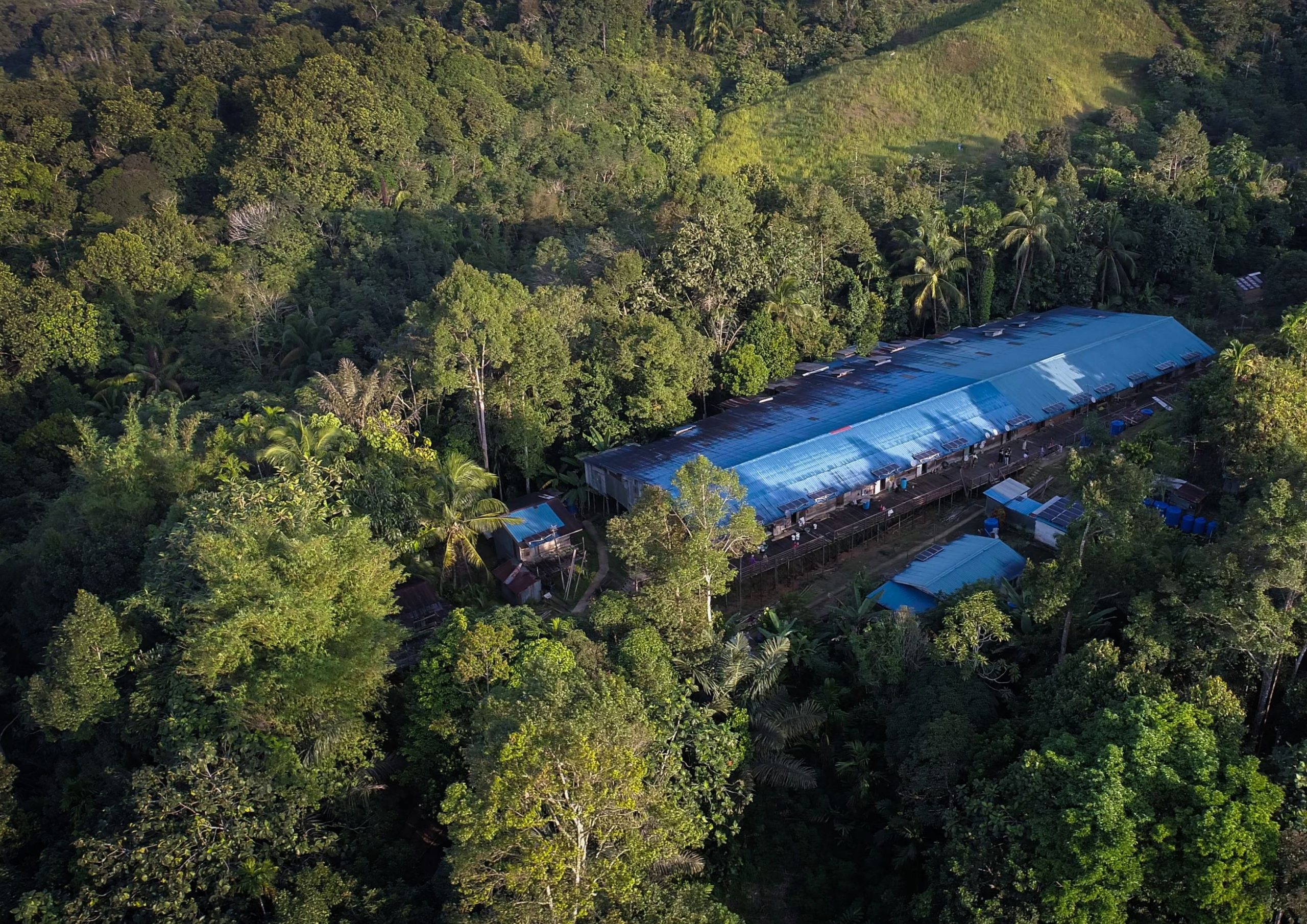
Located about 60km from Kuching in the Padawan highlands, Kampung Annah Rais is a traditional Bidayuh longhouse community known for its rich cultural heritage and unique insight into traditional village life and local customs. Today, it remains one of Sarawak’s most popular cultural tourism destinations, welcoming visitors who wish to experience Bidayuh traditions, hospitality and communal living.

Photos provided by Coca-Cola Malaysia.

DGFC urges long-term river safety measures amid Sabah crocodile attacks

KOTA KINABALU: Following the recent tragic crocodile-related incidents and the subsequent calls for large-scale culling, the Danau Girang Field Centre (DGFC) is urging a shift in public strategy toward science-based risk reduction.

While the centre acknowledges the deep community grief and the understandable demand for crocodile removal, experts warn that killing or relocating individual animals often creates a false sense of security without addressing the root causes of danger.

DGFC emphasises that human life is the absolute priority in all conservation efforts.

“Conservation is often misunderstood as prioritising wildlife over people,” says Dr Sai Kerisha, crocodile expert from DGFC. “In reality, our work is about protecting lives in shared environments. Human safety and the lived experiences of those residing alongside these apex predators are central to everything we do.”

Why crocodile removal alone may not solve the problem

Public concern following recent attacks has intensified calls for crocodile removal. However, DGFC highlights several critical biological realities that challenge this perception.

According to Dr Sai Kerisha, when a dominant crocodile is removed, the vacant territory is quickly occupied by new individuals. These newcomers are often more unpredictable as they fight to establish dominance, potentially increasing the risk of attacks. 

“Rivers are open, connected systems. It is extremely difficult to identify the specific animal responsible for an attack. Often, a non-aggressive crocodile is removed while the actual threat remains in the water,” DGFC said in the statement.

“As long as a river system is healthy, crocodiles will move through it. Removing one animal does not eliminate the presence of others.”

Increasing overlap between humans and crocodiles

DGFC added that current scientific data does not indicate a massive overpopulation of crocodiles in Sabah, but rather that the increase in incidents is being driven by growing overlap between crocodile habitats and human activity.

Factors such as habitat loss, depleted natural prey, and increased human activity are forcing crocodiles into closer contact with people.

“Under ecological pressure, crocodiles – which are opportunistic predators – are more likely to take risks. Frequent human activities such as fishing or bathing at the same river access points allow crocodiles to learn patterns, significantly increasing the likelihood of an encounter,” DGFC stated.

Crocodile Exclusion Enclosures aim to create safer river access

DGFC points out that crocodiles have been harvested and removed in Sabah for years, yet incidents are currently increasing, suggesting that removal alone is not a deterrent.

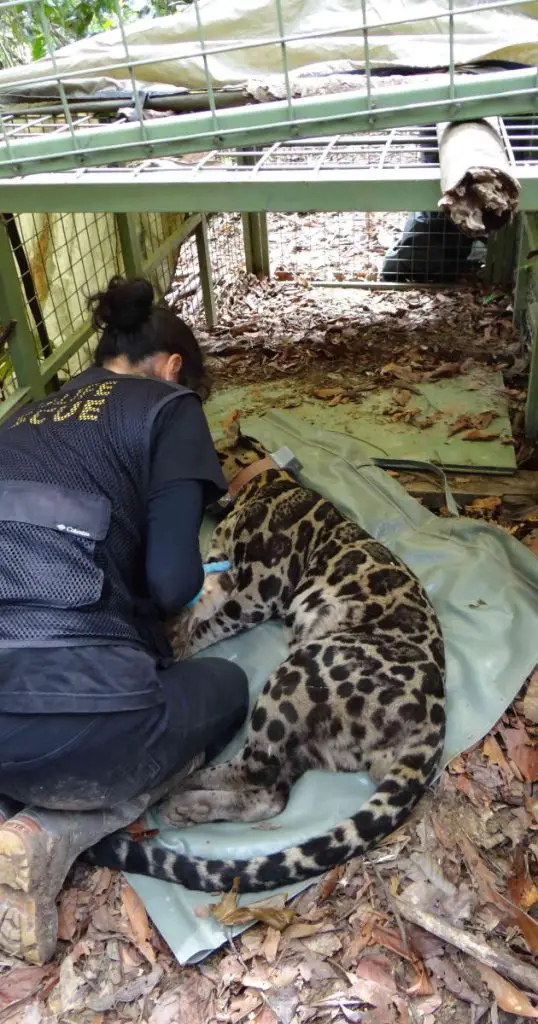
To address this, DGFC is piloting several practical safety initiatives, including Crocodile Exclusion Enclosures (CEE), which create protected sections of rivers by physically limiting crocodile entry and allowing safer access to water.

The centre also emphasised the importance of awareness programmes to help communities better understand crocodile behaviour and reduce high-risk river activities.

In addition, DGFC said long-term science-based monitoring is needed to better understand how crocodiles and humans interact in changing environments.

DGFC maintains that while public concern is valid and necessary, permanent solutions require more than reactive culling.

“The goal is not to choose between people and crocodiles,” says Dr Benoit Goossens, Director of DGFC.

“The goal is to ensure that people are safer in the environments where they live and work. Therefore, we must focus on reducing risk at its source through awareness, better infrastructure, and a realistic understanding of river ecosystems.”

What Happens After an HPV-Positive Result? A Guide for Women in Malaysia

Malaysia’s cervical cancer screening strategy has evolved significantly in recent years. In 2023, the Ministry of Health introduced updated national guidelines positioning human papillomavirus (HPV) DNA testing as the primary screening method, gradually replacing the Pap smear as the first-line approach to enable earlier detection of cervical cancer risk.

This shift forms part of Malaysia’s Action Plan Towards the Elimination of Cervical Cancer (2021–2030), which aligns with the World Health Organisation’s global 90-70-90 targets: vaccinating 90% of girls by age 15, screening 70% of women at key ages, and ensuring 90% of those with cervical disease receive appropriate treatment.

In 2025, implementation in Malaysia was further reinforced through government-backed programmes, including subsidised HPV DNA screening for women aged 30 to 65 under Budget 2025, delivered through LPPKN clinics and nationwide outreach initiatives.

National screening data also reflects the scale of this transition. More than 160,000 women have undergone HPV DNA testing, with over 10,500 testing positive, underscoring both how common HPV exposure is and why proper follow-up care matters.

In this Q&A, Dr Hoo Mei Lin, Consultant Obstetrician and Gynaecologist, addresses common misconceptions, explains what an HPV-positive result means, and outlines what women in Malaysia can realistically expect after screening.

This interview was facilitated by BREGO Life Sciences as part of an ongoing public education initiative on HPV screening and follow-up pathways. The doctor’s responses are provided independently and are intended for general educational purposes.

Q1. How is human papillomavirus (HPV) transmitted, how common is it, and does it usually cause symptoms?

Dr Hoo: HPV is most commonly transmitted through intimate or sexual skin-to-skin contact, including vaginal, oral or anal contact. Even close genital contact, not necessarily intercourse, can transmit the virus.

HPV is extremely common. It is estimated that up to 80% of sexually active people, even those who have only had sex once in their lives, will be exposed to HPV at some point. Most people are exposed soon after becoming sexually active.

Most HPV infections do not cause symptoms. The reassuring news is that in many cases, the immune system clears the infection naturally.

Q2. When someone receives an HPV-positive result, what does it mean medically? Does it mean she has cancer or precancer?

Dr Hoo: There are more than 200 types of HPV, and only about 14 are considered high-risk because they have been linked to cancer.

A positive HPV result does not mean a woman has cancer or precancer. It simply means the virus has been detected and that closer follow-up may be needed. In other words, it is a signal for increased vigilance, not a diagnosis of cancer.

Q3. Does testing HPV-positive affect a woman’s chances of getting pregnant or having a healthy pregnancy?

Dr Hoo: Testing HPV-positive does not affect fertility or a woman’s ability to have a healthy pregnancy.

However, if a woman has undergone treatment for high-grade cervical lesions, such as a large loop excision or cone biopsy, this can theoretically shorten the cervix. She should inform her obstetrician about any previous cervical procedures, as a shortened cervix may increase the risk of premature delivery and may require monitoring during pregnancy.

Q4. How can a woman improve her chances of clearing HPV?

Dr Hoo: In 70% to 90% of women, the immune system clears HPV naturally. There is no specific medication that removes the virus, but supporting overall immune health can help the body deal with it more effectively.

Simple lifestyle changes can make a meaningful difference. These include stopping smoking, eating a balanced diet with plenty of fruits and vegetables, getting enough sleep, staying physically active, and managing stress.

Using condoms may also help reduce repeated exposure to the virus. Women who have not yet been vaccinated should also consider HPV vaccination, as it can protect against other HPV types and may help reduce the risk of reinfection after the virus has cleared.

Some supportive therapies, such as Papilocare®, have also been developed to help restore the cervical environment while the body responds to the virus. This vaginal gel is not a treatment for HPV itself, but is designed to support the body’s natural ability to clear the virus while helping the cervical lining recover. Studies have shown promising results.

Q5. While waiting for follow-up, are there any symptoms that should prompt earlier medical review?

Dr Hoo: Yes. Women should seek earlier medical attention if they experience unusual bleeding patterns, especially bleeding after sex, bleeding between periods, pain, or unusual vaginal discharge.

These symptoms do not necessarily mean cancer, but they should still be assessed by a doctor.

Q6. If someone has been vaccinated against HPV, including those who received it as adolescents, do they still need regular cervical screening later in life?

Dr Hoo: Yes. HPV vaccination does not replace the need for regular cervical screening.

The 9-valent HPV vaccine protects against seven high-risk strains and two low-risk strains that cause genital warts, but it does not cover every HPV type associated with cervical changes. There is still a possibility of exposure to other strains.

In addition, some women may only have been vaccinated after becoming sexually active, which means they may already have been exposed to HPV before vaccination. HPV can also remain suppressed or latent and reappear later when immunity is lower, which is why regular screening remains important.

Q7. If a woman is already HPV-positive, is vaccination still relevant or beneficial? Should both men and women receive vaccinations?

Dr Hoo: Yes to both.

Vaccination can still be beneficial even if someone is already HPV-positive, because people are rarely infected with all HPV strains. The vaccine can still protect against other high-risk types.

The 9-valent HPV vaccine protects against nine HPV types that together are linked to approximately 90% of cervical cancers, 90% of anal cancers, 90% of HPV-related throat cancer (oropharyngeal cancers), 90% of genital warts, and around 80% to 90% of vaginal and vulvar cancers.

HPV is not only a women’s issue. It is a human issue. Vaccinating both men and women helps reduce overall transmission in the population.

Q8. What is one common misconception about HPV you wish more people understood?

Dr Hoo: One of the biggest misconceptions is that HPV means someone has been unfaithful, or that it only affects people with multiple sexual partners. That is not true.

HPV is an extremely common virus and can remain silent or inactive in the body for many years, sometimes even decades, before it becomes detectable through screening.

A positive HPV result should be understood as a common medical finding associated with normal human intimacy. It simply means the doctor may need to monitor more closely.

It is also important to understand that having HPV does not mean a woman is going to develop cancer. It is persistent HPV infection that may lead to abnormal cell changes, and those changes may, over time, progress to cancer. Even then, this process usually happens gradually over many years, which is why regular screening is so effective. It allows doctors to detect and treat precancerous changes long before cancer develops.

Q9. Malaysia is moving toward HPV DNA testing as the primary cervical screening method. Why is this shift important, and does it mean Pap smears are no longer needed?

Dr Hoo: HPV testing looks for the virus that can cause cervical cancer, while a Pap smear looks for changes in cervical cells that may occur after the virus has been present for some time.

If an HPV test is negative, the risk of cervical cancer is very low, which means screening can be done less frequently. If an HPV test is positive, a Pap smear or liquid-based cytology may still be used to examine the cervical cells more closely and determine whether further assessment is needed.

In other words, HPV testing helps identify who is at risk, while Pap smears still play an important role when doctors need to look more closely at cellular changes. So no, Pap smears are not obsolete, but their role is becoming more targeted within the follow-up pathway.

About the Expert: Dr Hoo Mei Lin

Dr Hoo Mei Lin is a Consultant Obstetrician and Gynaecologist with a special interest in reproductive medicine and fertility. With more than two decades of clinical experience in women’s health, she is committed to providing comprehensive, evidence-based care for women at every stage of life.

What Happens After an HPV-Positive Result? A Guide for Women in Malaysia

International Day of Forests: WWF-Malaysia’s work in Sarawak

Every year on 21 March, the world celebrates International Day of Forests to recognise the vital role forests play in our lives and to raise awareness about the need for sustainable forest management.

This year’s theme “Forests and Economy” highlights that forests are not only rich in biodiversity but also vital drivers of economic prosperity, from supporting livelihoods and food systems to maintaining clean water, regulating climate and providing nature-based solutions.

Forest Department Sarawak Director Datu Hamden Mohammad was quoted in a July 2025 news report stating that forests do more than just provide natural land, but they help the economy in many areas, especially in forest-rich places like Sarawak. According to Hamden, forests in the state contribute about RM 2.8 billion to RM 3.5 billion a year. This includes both tangible benefits like timber, non-timber forest products and ecotourism, and intangible benefits such as ecosystem services and cultural values.

WWF-Malaysia Sarawak Conservation Head Cynthia Chin points out that these numbers show that forests are important both as natural heritage and economic assets. They provide raw materials for forest industries, sources of food and medicine, and ecosystem services like clean water, flood protection and carbon storage. These benefits help reduce costs and add value over the long term.

WWF-Malaysia Conservation Programme in Sarawak

Empowering the Ulu Ai Kanan Community in Ulu Sungai Menyang Landscape

As part of the orangutan landscape in Ulu Ai-Sedilu, WWF-Malaysia implements the project “Empowering the Livelihoods of the Ulu Ai Kanan Community in Ulu Sungai Menyang Landscape in Batang Ai, Sri Aman, Sarawak”. This is a collaboration between WWF-Malaysia and the Ulu Ai Conservancy, and it is funded by the German Federal Ministry for Economic Cooperation and Development (BMZ).

The main objective of this project is to strengthen orangutan conservation by ensuring that forest habitats remain connected and sustainably managed. At the same time, the project highlights empowering the Iban communities as key partners in managing natural resources.

Connecting Conservation and Development

Ulu Sungai Menyang, which lies outside a totally protected area boundary, is a crucial landscape for the movement and survival of orangutan populations. The project supports efforts to conserve and connect this important orangutan habitat through a comprehensive landscape management approach known as community conserved area or CCA.

Chin shares that WWF Malaysia’s recent orangutan survey in Ulu Sungai Menyang area has shown a significant orangutan increase.

“Our Terrestrial Mammal team carried out marked nest counts in 2025. Results from our analysis show that orangutan population has increased to an estimated 167 individuals against 115 individuals in surveys by other conservation partners in 2014.

“Managing community forest areas sustainably helps lower the chances of habitats fragmentation. WWF-Malaysia recognises that conservation is more effective if local communities have stable alternative sources of income. Therefore, the project introduces a range of sustainable livelihood initiatives.”

Sustainable Livelihood Alternatives

Key activities include:

  • Sustainable pepper farming – Promotes good agriculture practices that reduce chemical use and prevent clearing new forests.
  • Agroforestry – Integrates agricultural crops with forest trees, maintaining ecosystem structure while generating income.
  • Mushroom cultivation – Provides additional economic opportunities that require little space and do not harm the forest.
  • Traditional handicraft production – Utilises local skills and culture as alternative income sources.

Agroforestry plays a particularly important role in balancing economic needs and conservation. It allows communities to cultivate commercially valuable crops without clearing forests entirely, preserving ecological functions such as carbon storage and soil protection.

Socioeconomic and Ecological Impacts

Through this project, communities gain more stable income sources while building capacity in sustainable land and forest management. This reduces reliance on activities that may damage the forest, such as uncontrolled clearing of new land.

More importantly, when communities see the direct economic benefits of a conserved forest, conservation becomes a shared interest rather than solely an external organisational agenda. This model demonstrates that forests can serve as a foundation for resilient and inclusive local economies.

International Day of Forests: WWF-Malaysia's work in Sarawak
Growing pepper sustainably supports communities and protects our forests. © Ezen Chan / WWF-Malaysia
International Day of Forests: WWF-Malaysia's work in Sarawak
The Malaysian Pepper Board, WWF-Malaysia and Ulu Ai conservancy signed a Memorandum of Understanding to advance sustainable pepper farming in the Ulu Sungai Menyang landscape, supporting both local communities and forest conservation. © Ezen Chan / WWF-Malaysia

Sustainable Agricultural Innovation in the Northern Sarawak Connectivity Landscape

In Ba’ Kelalan, WWF-Malaysia introduced the System of Rice Intensification (SRI) as a more efficient, environmentally-friendly alternative to conventional rice farming. Unlike traditional methods relying on continuous waterlogging and chemical fertilisers, SRI emphasises controlled water use, systematic plant spacing and soil management to enhance natural fertility.

SRI improves water efficiency, maintains soil health, supports biodiversity and increases crop yields. By avoiding chemical fertilisers and pesticides, SRI lowers input costs and increases profit margins for farmers. In the long term, it helps build a more climate-resilient agricultural system. As paddy productivity increases, the need to clear new forest areas for agriculture is reduced, which is an important consideration in biodiversity-rich northern Sarawak.

International Day of Forests: WWF-Malaysia's work in Sarawak
SRI paddy fields thrive without chemical inputs. © Ezen Chan / WWF-Malaysia
International Day of Forests: WWF-Malaysia's work in Sarawak
By 2025, more than 100 Ba’ Kelalan farmers have embraced sustainable rice farming practices. © Ezen Chan / WWF-Malaysia
International Day of Forests: WWF-Malaysia's work in Sarawak
Farmers in Ba’ Kelalan work towards Malaysian Good Agricultural Practices (MyGAP) certification, reinforcing sustainable rice farming and ensuring food safety. © Ezen Chan / WWF-Malaysia

Community Empowerment and Inclusive Governance

WWF-Malaysia emphasises empowering communities and inclusive governance, enabling local community to participate actively in forest management, says Chin These efforts preserve biodiversity while expanding sustainable use of forest products, supporting community livelihood and strengthening economic resilience in the face of climate challenges.

On International Day of Forests, Chin stresses that recognition is due to all stakeholders who play a vital role in these initiatives, including government agencies, implementing partners, local communities, researchers, the private sector, local and international funders. The collaboration of multiple parties demonstrates that sustainable forest management requires collective commitment and a shared vision.

“Ultimately, celebrating forests means acknowledging their value as an economic foundation, a source of life, and a guarantee for a sustainable future for generations to come. When forests are responsibly preserved, community well-being and economic stability are strengthened continuously,” she concludes.

1 2 3 14