Browse Category

News & Features

What would you risk to get home for Gawai? Iban filmmaker wins Starbucks Kopi Creator Kolektif 2026 with ‘Merinsak’

KUALA LUMPUR: Tanahliat Studios, led by Iban director Clayvert Unji, emerged as the winning filmmaking team in Starbucks Malaysia’s Kopi Creator Kolektif (KCK) Class of 2026 with their teaser Merinsak (Hardship).

Rooted in the experience of leaving home and navigating the tension between ambition, family and belonging, Merinsak follows Pam, a student living in Kuala Lumpur whose desperate attempt to return to Sarawak for Gawai Dayak pushes her and her friends into a plan that tests their morals, friendship and sense of responsibility.

The teaser was presented at the KCK Showcase held at Starbucks Reserve® IOI Mall Damansara on 16 May 2026, where finalists of KCK Class of 2026 unveiled their projects to a live audience before winners were selected.

The KCK Class of 2026 featured 10 finalists comprising five emerging musicians and five filmmaking teams who spent several weeks refining their projects before presenting their work to a live audience. The winners – one musician and one filmmaker – were selected by a panel of industry professionals based on their ideas, presentations, growth throughout the programme and audience votes, with each receiving a grand prize valued at RM10,000.

The film finalists included Batu Belah Productions, C317, Keladak Krunchy, Sudhifilem and Tanahliat Studios, while the music finalists comprised Akardia, Huey Yeing, Sharkfins, Suehaila and Thariq Amran.

Kopi Creator Kolektif was launched by Starbucks Malaysia as a creative platform designed to support emerging Malaysian musicians and filmmakers. With support from Breaking Music, Weekend Boys Studio and Multimedia University’s Faculty of Cinematic Arts, mentors and industry professionals worked closely with the 10 finalists to refine their craft, helping musicians sharpen their sound and stage presence while guiding filmmakers in developing concepts that could connect with audiences.

“KCK came at a time when I was still finding my footing after film school, and it gave me hope that there are platforms for young creatives to take a real step forward,” said Clayvert, a graduate of Multimedia University’s Faculty of Cinematic Arts. His experiences of living away from home for more than half a decade have shaped his interest in stories about migration, friendship, place and belonging—themes reflected in Merinsak.

“This win gives us the opportunity to take Merinsak further, while telling a story that comes from a very personal place. As an Iban Sarawakian living in Kuala Lumpur, I wanted to reflect East Malaysian experiences beyond the usual lens of culture, heritage or tourism.”

He added that the mentorship programme encouraged him to trust his own perspective and push the story beyond familiar narratives.

“Through KCK, I was encouraged not to overthink or limit the story to what feels familiar, but to trust my perspective and push it further. Most importantly, I’m grateful to my crew for shaping this vision with me.”

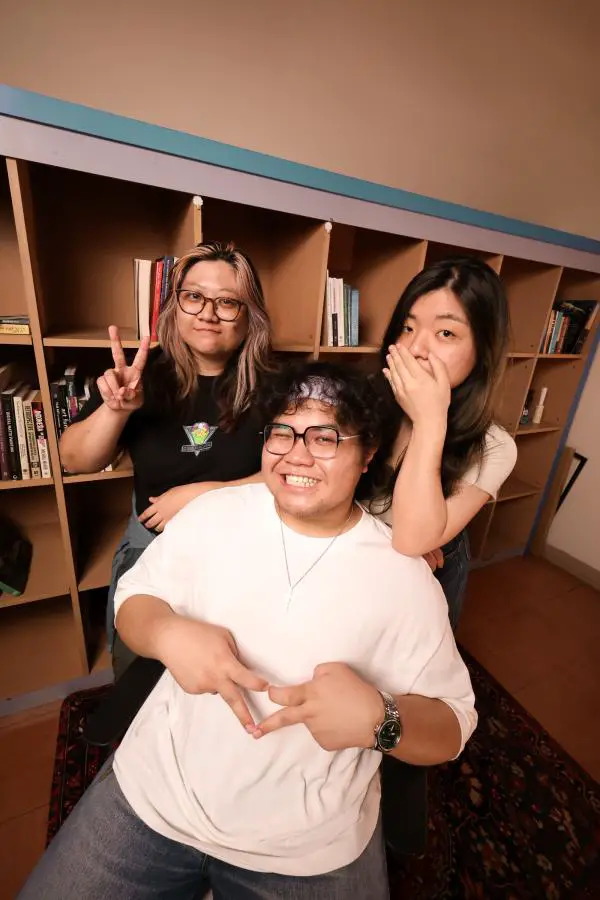
Tanahliat Studios is led by Clayvert as director, alongside producer “Kiwi” Ang, co-producer Dania Irdina, editor Rue Feng Wen, director of photography Jenn Tan and production designer Vyl Chang.

According to mentor Adam Zainal, a film director and alumnus of Multimedia University’s Faculty of Cinematic Arts, the filmmakers stood out for the authenticity of their storytelling.

“For the film cohort, what stood out was the uniqueness and honesty of their stories,” he said. “The filmmakers brought ideas rooted in their own communities, observations and personal journeys.”

Musician Suehaila emerged as the winner of the music cohort and secured a recording deal that includes the production of a four-track EP.

For Tanahliat Studios, the win provides an opportunity to further develop Merinsak into a completed short film and bring its Gawai Dayak-inspired story to a wider audience.

10,000 Sarawakians Gather for MILO® Malaysia Breakfast Day 2026 to celebrate healthy living and togetherness

KUCHING: MILO® Malaysia Breakfast Day 2026 made its return to East Malaysia for the third stop of its nationwide initiative, bringing together families, fitness enthusiasts and local communities in a celebration of active living, nutritious breakfasts and togetherness.

The Sarawak edition drew approximately 10,000 participants for a 3-kilometre fun run which also featured a range of interactive experiences designed to encourage movement, engagement and quality family time. Participants enjoyed fitness challenges, interactive booths and family-friendly activities that transformed the event into a lively community gathering.

MILO® Malaysia Breakfast Day also featured educational elements through the Nestlé for Healthier Kids (NH4K) programme, which promotes healthier eating habits among children and families. Participants had the opportunity to learn more about balanced nutrition through interactive educational activities centred around Malaysia’s “Suku-Suku Separuh” concept, encouraging healthier meal planning and better dietary choices in an engaging and practical way.

On-ground activations include the Nestlé for Healthier Kids (N4HK) 
programme, which promotes balanced 
nutrition education and the “Suku-Suku 
Separuh” in an engaging and 
family-friendly way.
On-ground activations include the Nestlé for Healthier Kids (N4HK) programme, which promotes balanced nutrition education and the “Suku-Suku Separuh” in an engaging and family-friendly way.

Dato Wee Hong Seng, Mayor of Kuching South City Council (MBKS), said, “Sarawak is known for its rich cultural diversity and strong community spirit. It is encouraging to see people from different ethnic backgrounds coming together through a programme that promotes both nutritious breakfast habits and active living in line with the Sarawak spirit.

“While our communities may have different traditions and lifestyles, we all share the common goal of raising healthier families and stronger communities. Events like this help strengthen those connections while encouraging positive lifestyle practices that benefit people of all ages.”

10,000 Sarawakians Gather for MILO® Malaysia Breakfast Day 2026 to celebrate healthy living and togetherness
Dato Wee Hong Seng (third left) joins Juan Aranols, Chief Executive Officer of Nestlé Malaysia, Singapore and Brunei (second left); Ng Su Yen, Business Executive Officer, MILO® (third right); DSP Zamry Bin Alli, Head of the Management Division of the Kuching District Police Headquarters (IPD Kuching) (second right); Andrew Yoon, Consumer Marketing Manager, MILO® (right); and Nadhir Nasar, Friend of MILO® (left), for a photo opportunity before the flag off of MILO® Malaysia Breakfast Day 2026 in Kuching.

Ahmad Irfan Arsyad, 16, was the first participant to cross the finish line at MILO® Malaysia Breakfast Day 2026 Sarawak. A long-time participant, this marks his sixth time taking part in the event since first attending in 2017, which he now attends together with his family.

“I have been joining MILO® Malaysia Breakfast Day since I was just 7 years old. Over the years, it has become a yearly tradition for me, and I always look forward to it. MILO® has been part of my childhood, so I grew up as a MILO® Kid and it naturally became part of my routine.”

10,000 Sarawakians Gather for MILO® Malaysia Breakfast Day 2026 to celebrate healthy living and togetherness
Ahmad Irfan Arsyad (third left) was the first participant to cross the finish line at the MILO® Malaysia Breakfast Day in Sarawak, while three of his friends, who also finished in the top 10, stand beside him posing with their medals.

Siti Noor Fadilah, 36, who attended MILO® Malaysia Breakfast Day 2026 with 29 family members from Samarahan and Asajaya, said: “My children and family members are huge MILO® fans. In fact, we can finish a 1kg pack of MILO® in just a few days at home.

“When we heard that MILO® Malaysia Breakfast Day was coming to Sarawak, everyone was excited and wanted to be part of it. We even travelled almost an hour to get here today. What makes this experience even more special is that it is our first time participating in an event like this together as a large family spanning different generations. It gave us the opportunity to spend quality time together while learning more about healthy breakfast habits and active living.”

10,000 Sarawakians Gather for MILO® Malaysia Breakfast Day 2026 to celebrate healthy living and togetherness
Part of Siti Noor Fadilah’s 30-member family group from different generations travelled nearly an hour to participate in the event.

David, 47, of Bidayuh heritage, makes it a priority to start every morning with breakfast alongside his family, despite having to wake up early and travel several hours to work each day. “No matter how busy our mornings are, we always make time to have breakfast together as a family. It is an important moment for us to strengthen our family bond and start the day on the right note. Our breakfast may vary from day to day, sometimes oats, sometimes mee goreng or other local favourites, but a cup of MILO® has always been a constant on our breakfast table.”

Tay Chee Ming, 45, who participated in MILO® Malaysia Breakfast Day for the third time, attended this year’s event with eight family members including his siblings, their families, children and his 73-year-old mother.

“I have always enjoyed participating in MILO® Malaysia Breakfast Day because it promotes both healthy living and family togetherness. This year is especially meaningful as I managed to encourage more family members to join me including my mother, who is 73 years old and completed the run with us. MILO® has been part of our family for many years, so it was exciting to experience this event together,” he said.

10,000 Sarawakians Gather for MILO® Malaysia Breakfast Day 2026 to celebrate healthy living and togetherness
Tay Chee Ming with his family.

MILO® Malaysia Breakfast Day 2026 continues to reinforce its commitment to promoting healthier lifestyles through simple daily habits such as nutritious breakfast consumption and regular physical activity, while strengthening its presence across both Peninsular and East Malaysia.

Following successful stops in Sabah, Terengganu and Sarawak, MILO® Malaysia Breakfast Day 2026 will continue its nationwide journey to Kuantan, Pahang and Kelantan before concluding with a grand finale in Putrajaya on 12 July 2026.

10,000 Sarawakians Gather for MILO® Malaysia Breakfast Day 2026 to celebrate healthy living and togetherness
Participants enjoying their favourite MILO® beverage to kickstart a nutritious and active morning at the MILO® Malaysia Breakfast Day.

Kampung Annah Rais Welcomes Over 9,000 Visitors for Gawai Dayak 2026

ANNAH RAIS: Gawai Dayak in Kampung Annah Rais came alive in full colour as the village welcomed more than 9,000 visitors from across Malaysia and beyond into the heart of the longhouse over two days from 1 to 2 June 2026.

Supported by Coca-Cola Malaysia, the community-led celebration was also attended by Datuk Dr. Jerip Susil, Deputy Minister for Transport (Aviation and Road), who joined the community in marking the Gawai festivities at Kampung Annah Rais.

Kampung Annah Rais Welcomes Over 9,000 Visitors for Gawai Dayak 2026

Community Spirit at the Heart of Gawai

Rooted in Bidayuh traditions, the annual Ngabang open house transformed the Annah Rais longhouse into a vibrant cultural hub. Traditional music, dance performances and cultural presentations created a festive atmosphere that brought together villagers and visitors across generations.

One of the highlights was the Dayung Sangun Beauty Pageant, which celebrated Bidayuh heritage and identity. The title was won by Sonia Vivian Rua Anak Gabriel from Bidayuh-Biannah.

Visitors also explored a community bazaar featuring local crafts, traditional delicacies, fresh produce and handmade souvenirs, providing opportunities for local entrepreneurs and artisans to showcase their products while sharing stories about their culture and way of life.

Kampung Annah Rais Welcomes Over 9,000 Visitors for Gawai Dayak 2026
Winners from the Dayung Sangun Beauty Pageant lit up the evening with vibrant performances, confidence, and cultural pride, showcasing the beauty, heritage, and spirit of the community while adding energy and colour to the celebration.

Tradition Meets Innovation

A temporary Coca-Cola bottle installation featuring paddy contributed by members of the community served as a tribute to local farmers and the harvest season. The installation also functioned as the gateway to an augmented reality (AR) experience that allowed visitors to explore digital storytelling inspired by Bidayuh culture and heritage.

Another standout moment was the historic Coca-Cola mural convoy that made its way into Kampung Annah Rais on 1 June. Achieved through collaboration with Grab Malaysia and the community, the convoy earned recognition from The Malaysia Book of Records for Most E-Hailing Cars in a Gawai Festival Convoy, marking a milestone moment that added to the collective pride of the celebration.

Throughout the two-day celebration, visitors participated in interactive activities, family-friendly experiences and cultural programmes across the village. The festivities culminated in a laser light show that illuminated the night sky above the historic longhouse settlement.

Kampung Annah Rais Welcomes Over 9,000 Visitors for Gawai Dayak 2026
A Coca-Cola bottle-shaped installation.
Kampung Annah Rais Welcomes Over 9,000 Visitors for Gawai Dayak 2026
Coca-Cola x Grab Malaysia Mural Convoy was recognised by The Malaysia Book of Records for the “Most E-Hailing Cars in a Gawai Festival Convoy”.
Kampung Annah Rais Welcomes Over 9,000 Visitors for Gawai Dayak 2026
Multi-sensorial laser show.

Community Voices at the Heart of Gawai

Ketua Kaum Annah Rais, Joda Mamung, said Gawai remains an important occasion for bringing people together and sharing Bidayuh traditions with visitors.

“Gawai has always been a time for togetherness, and we feel honoured to open our doors to visitors and share the warmth of our traditions. For the first time, we are also happy to welcome Coca-Cola as part of our celebration this year. Their support added to the experience, and we are glad to have shared this meaningful occasion together. We are happy our guests left with beautiful memories from our village. This programme also creates economic opportunities for the villagers, while showcasing our culture and hospitality to visitors.”

Kampung Annah Rais Welcomes Over 9,000 Visitors for Gawai Dayak 2026

Khairul Anwar, Public Affairs, Communications and Sustainability Director for Coca-Cola Malaysia said: “What we witnessed in Kampung Annah Rais is a powerful reminder that culture brings people together in the most genuine way. We are honoured to support the community behind Gawai and to celebrate alongside them, being part of moments that connect people across backgrounds, generations and traditions.”

Kampung Annah Rais Welcomes Over 9,000 Visitors for Gawai Dayak 2026
(From left) Khairul Anwar, Public Affairs, Communications and Sustainability Director, Coca-Cola Malaysia, Singapore & Brunei, receives a memento from Ketua Kaum Annah Rais, Joda Mamung, witnessed by Deputy Minister for Transport (Aviation and Road), Datuk Dr Jerip Susil, highlighting Coca-Cola’s support for the Gawai community and its role in fostering meaningful connections across communities, generations, and traditions.

About Kampung Annah Rais

Located about 60km from Kuching in the Padawan highlands, Kampung Annah Rais is a traditional Bidayuh longhouse community known for its rich cultural heritage and unique insight into traditional village life and local customs. Today, it remains one of Sarawak’s most popular cultural tourism destinations, welcoming visitors who wish to experience Bidayuh traditions, hospitality and communal living.

Photos provided by Coca-Cola Malaysia.

DGFC urges long-term river safety measures amid Sabah crocodile attacks

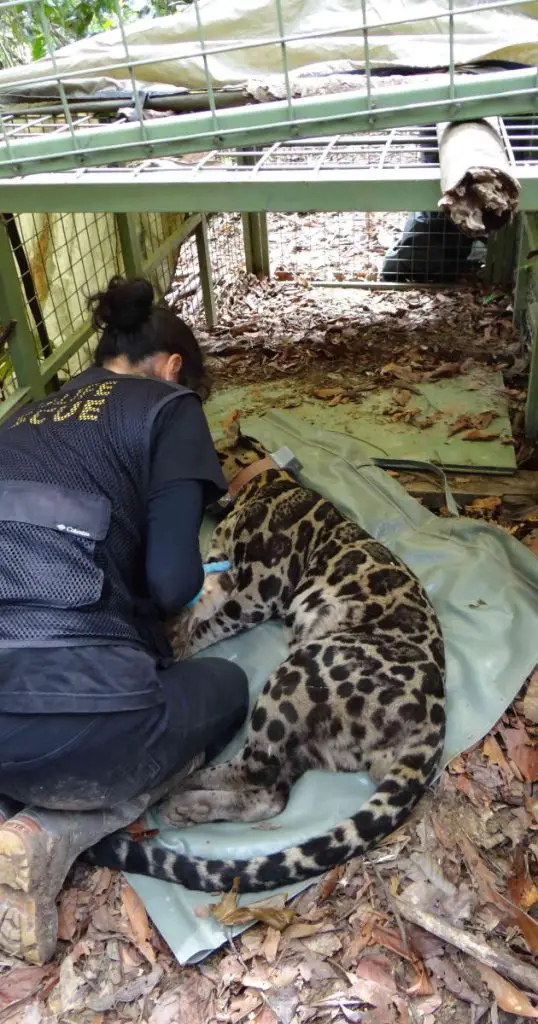
KOTA KINABALU: Following the recent tragic crocodile-related incidents and the subsequent calls for large-scale culling, the Danau Girang Field Centre (DGFC) is urging a shift in public strategy toward science-based risk reduction.

While the centre acknowledges the deep community grief and the understandable demand for crocodile removal, experts warn that killing or relocating individual animals often creates a false sense of security without addressing the root causes of danger.

DGFC emphasises that human life is the absolute priority in all conservation efforts.

“Conservation is often misunderstood as prioritising wildlife over people,” says Dr Sai Kerisha, crocodile expert from DGFC. “In reality, our work is about protecting lives in shared environments. Human safety and the lived experiences of those residing alongside these apex predators are central to everything we do.”

Why crocodile removal alone may not solve the problem

Public concern following recent attacks has intensified calls for crocodile removal. However, DGFC highlights several critical biological realities that challenge this perception.

According to Dr Sai Kerisha, when a dominant crocodile is removed, the vacant territory is quickly occupied by new individuals. These newcomers are often more unpredictable as they fight to establish dominance, potentially increasing the risk of attacks. 

“Rivers are open, connected systems. It is extremely difficult to identify the specific animal responsible for an attack. Often, a non-aggressive crocodile is removed while the actual threat remains in the water,” DGFC said in the statement.

“As long as a river system is healthy, crocodiles will move through it. Removing one animal does not eliminate the presence of others.”

Increasing overlap between humans and crocodiles

DGFC added that current scientific data does not indicate a massive overpopulation of crocodiles in Sabah, but rather that the increase in incidents is being driven by growing overlap between crocodile habitats and human activity.

Factors such as habitat loss, depleted natural prey, and increased human activity are forcing crocodiles into closer contact with people.

“Under ecological pressure, crocodiles – which are opportunistic predators – are more likely to take risks. Frequent human activities such as fishing or bathing at the same river access points allow crocodiles to learn patterns, significantly increasing the likelihood of an encounter,” DGFC stated.

Crocodile Exclusion Enclosures aim to create safer river access

DGFC points out that crocodiles have been harvested and removed in Sabah for years, yet incidents are currently increasing, suggesting that removal alone is not a deterrent.

To address this, DGFC is piloting several practical safety initiatives, including Crocodile Exclusion Enclosures (CEE), which create protected sections of rivers by physically limiting crocodile entry and allowing safer access to water.

The centre also emphasised the importance of awareness programmes to help communities better understand crocodile behaviour and reduce high-risk river activities.

In addition, DGFC said long-term science-based monitoring is needed to better understand how crocodiles and humans interact in changing environments.

DGFC maintains that while public concern is valid and necessary, permanent solutions require more than reactive culling.

“The goal is not to choose between people and crocodiles,” says Dr Benoit Goossens, Director of DGFC.

“The goal is to ensure that people are safer in the environments where they live and work. Therefore, we must focus on reducing risk at its source through awareness, better infrastructure, and a realistic understanding of river ecosystems.”

What Happens After an HPV-Positive Result? A Guide for Women in Malaysia

Malaysia’s cervical cancer screening strategy has evolved significantly in recent years. In 2023, the Ministry of Health introduced updated national guidelines positioning human papillomavirus (HPV) DNA testing as the primary screening method, gradually replacing the Pap smear as the first-line approach to enable earlier detection of cervical cancer risk.

This shift forms part of Malaysia’s Action Plan Towards the Elimination of Cervical Cancer (2021–2030), which aligns with the World Health Organisation’s global 90-70-90 targets: vaccinating 90% of girls by age 15, screening 70% of women at key ages, and ensuring 90% of those with cervical disease receive appropriate treatment.

In 2025, implementation in Malaysia was further reinforced through government-backed programmes, including subsidised HPV DNA screening for women aged 30 to 65 under Budget 2025, delivered through LPPKN clinics and nationwide outreach initiatives.

National screening data also reflects the scale of this transition. More than 160,000 women have undergone HPV DNA testing, with over 10,500 testing positive, underscoring both how common HPV exposure is and why proper follow-up care matters.

In this Q&A, Dr Hoo Mei Lin, Consultant Obstetrician and Gynaecologist, addresses common misconceptions, explains what an HPV-positive result means, and outlines what women in Malaysia can realistically expect after screening.

This interview was facilitated by BREGO Life Sciences as part of an ongoing public education initiative on HPV screening and follow-up pathways. The doctor’s responses are provided independently and are intended for general educational purposes.

Q1. How is human papillomavirus (HPV) transmitted, how common is it, and does it usually cause symptoms?

Dr Hoo: HPV is most commonly transmitted through intimate or sexual skin-to-skin contact, including vaginal, oral or anal contact. Even close genital contact, not necessarily intercourse, can transmit the virus.

HPV is extremely common. It is estimated that up to 80% of sexually active people, even those who have only had sex once in their lives, will be exposed to HPV at some point. Most people are exposed soon after becoming sexually active.

Most HPV infections do not cause symptoms. The reassuring news is that in many cases, the immune system clears the infection naturally.

Q2. When someone receives an HPV-positive result, what does it mean medically? Does it mean she has cancer or precancer?

Dr Hoo: There are more than 200 types of HPV, and only about 14 are considered high-risk because they have been linked to cancer.

A positive HPV result does not mean a woman has cancer or precancer. It simply means the virus has been detected and that closer follow-up may be needed. In other words, it is a signal for increased vigilance, not a diagnosis of cancer.

Q3. Does testing HPV-positive affect a woman’s chances of getting pregnant or having a healthy pregnancy?

Dr Hoo: Testing HPV-positive does not affect fertility or a woman’s ability to have a healthy pregnancy.

However, if a woman has undergone treatment for high-grade cervical lesions, such as a large loop excision or cone biopsy, this can theoretically shorten the cervix. She should inform her obstetrician about any previous cervical procedures, as a shortened cervix may increase the risk of premature delivery and may require monitoring during pregnancy.

Q4. How can a woman improve her chances of clearing HPV?

Dr Hoo: In 70% to 90% of women, the immune system clears HPV naturally. There is no specific medication that removes the virus, but supporting overall immune health can help the body deal with it more effectively.

Simple lifestyle changes can make a meaningful difference. These include stopping smoking, eating a balanced diet with plenty of fruits and vegetables, getting enough sleep, staying physically active, and managing stress.

Using condoms may also help reduce repeated exposure to the virus. Women who have not yet been vaccinated should also consider HPV vaccination, as it can protect against other HPV types and may help reduce the risk of reinfection after the virus has cleared.

Some supportive therapies, such as Papilocare®, have also been developed to help restore the cervical environment while the body responds to the virus. This vaginal gel is not a treatment for HPV itself, but is designed to support the body’s natural ability to clear the virus while helping the cervical lining recover. Studies have shown promising results.

Q5. While waiting for follow-up, are there any symptoms that should prompt earlier medical review?

Dr Hoo: Yes. Women should seek earlier medical attention if they experience unusual bleeding patterns, especially bleeding after sex, bleeding between periods, pain, or unusual vaginal discharge.

These symptoms do not necessarily mean cancer, but they should still be assessed by a doctor.

Q6. If someone has been vaccinated against HPV, including those who received it as adolescents, do they still need regular cervical screening later in life?

Dr Hoo: Yes. HPV vaccination does not replace the need for regular cervical screening.

The 9-valent HPV vaccine protects against seven high-risk strains and two low-risk strains that cause genital warts, but it does not cover every HPV type associated with cervical changes. There is still a possibility of exposure to other strains.

In addition, some women may only have been vaccinated after becoming sexually active, which means they may already have been exposed to HPV before vaccination. HPV can also remain suppressed or latent and reappear later when immunity is lower, which is why regular screening remains important.

Q7. If a woman is already HPV-positive, is vaccination still relevant or beneficial? Should both men and women receive vaccinations?

Dr Hoo: Yes to both.

Vaccination can still be beneficial even if someone is already HPV-positive, because people are rarely infected with all HPV strains. The vaccine can still protect against other high-risk types.

The 9-valent HPV vaccine protects against nine HPV types that together are linked to approximately 90% of cervical cancers, 90% of anal cancers, 90% of HPV-related throat cancer (oropharyngeal cancers), 90% of genital warts, and around 80% to 90% of vaginal and vulvar cancers.

HPV is not only a women’s issue. It is a human issue. Vaccinating both men and women helps reduce overall transmission in the population.

Q8. What is one common misconception about HPV you wish more people understood?

Dr Hoo: One of the biggest misconceptions is that HPV means someone has been unfaithful, or that it only affects people with multiple sexual partners. That is not true.

HPV is an extremely common virus and can remain silent or inactive in the body for many years, sometimes even decades, before it becomes detectable through screening.

A positive HPV result should be understood as a common medical finding associated with normal human intimacy. It simply means the doctor may need to monitor more closely.

It is also important to understand that having HPV does not mean a woman is going to develop cancer. It is persistent HPV infection that may lead to abnormal cell changes, and those changes may, over time, progress to cancer. Even then, this process usually happens gradually over many years, which is why regular screening is so effective. It allows doctors to detect and treat precancerous changes long before cancer develops.

Q9. Malaysia is moving toward HPV DNA testing as the primary cervical screening method. Why is this shift important, and does it mean Pap smears are no longer needed?

Dr Hoo: HPV testing looks for the virus that can cause cervical cancer, while a Pap smear looks for changes in cervical cells that may occur after the virus has been present for some time.

If an HPV test is negative, the risk of cervical cancer is very low, which means screening can be done less frequently. If an HPV test is positive, a Pap smear or liquid-based cytology may still be used to examine the cervical cells more closely and determine whether further assessment is needed.

In other words, HPV testing helps identify who is at risk, while Pap smears still play an important role when doctors need to look more closely at cellular changes. So no, Pap smears are not obsolete, but their role is becoming more targeted within the follow-up pathway.

About the Expert: Dr Hoo Mei Lin

Dr Hoo Mei Lin is a Consultant Obstetrician and Gynaecologist with a special interest in reproductive medicine and fertility. With more than two decades of clinical experience in women’s health, she is committed to providing comprehensive, evidence-based care for women at every stage of life.

What Happens After an HPV-Positive Result? A Guide for Women in Malaysia

International Day of Forests: WWF-Malaysia’s work in Sarawak

Every year on 21 March, the world celebrates International Day of Forests to recognise the vital role forests play in our lives and to raise awareness about the need for sustainable forest management.

This year’s theme “Forests and Economy” highlights that forests are not only rich in biodiversity but also vital drivers of economic prosperity, from supporting livelihoods and food systems to maintaining clean water, regulating climate and providing nature-based solutions.

Forest Department Sarawak Director Datu Hamden Mohammad was quoted in a July 2025 news report stating that forests do more than just provide natural land, but they help the economy in many areas, especially in forest-rich places like Sarawak. According to Hamden, forests in the state contribute about RM 2.8 billion to RM 3.5 billion a year. This includes both tangible benefits like timber, non-timber forest products and ecotourism, and intangible benefits such as ecosystem services and cultural values.

WWF-Malaysia Sarawak Conservation Head Cynthia Chin points out that these numbers show that forests are important both as natural heritage and economic assets. They provide raw materials for forest industries, sources of food and medicine, and ecosystem services like clean water, flood protection and carbon storage. These benefits help reduce costs and add value over the long term.

WWF-Malaysia Conservation Programme in Sarawak

Empowering the Ulu Ai Kanan Community in Ulu Sungai Menyang Landscape

As part of the orangutan landscape in Ulu Ai-Sedilu, WWF-Malaysia implements the project “Empowering the Livelihoods of the Ulu Ai Kanan Community in Ulu Sungai Menyang Landscape in Batang Ai, Sri Aman, Sarawak”. This is a collaboration between WWF-Malaysia and the Ulu Ai Conservancy, and it is funded by the German Federal Ministry for Economic Cooperation and Development (BMZ).

The main objective of this project is to strengthen orangutan conservation by ensuring that forest habitats remain connected and sustainably managed. At the same time, the project highlights empowering the Iban communities as key partners in managing natural resources.

Connecting Conservation and Development

Ulu Sungai Menyang, which lies outside a totally protected area boundary, is a crucial landscape for the movement and survival of orangutan populations. The project supports efforts to conserve and connect this important orangutan habitat through a comprehensive landscape management approach known as community conserved area or CCA.

Chin shares that WWF Malaysia’s recent orangutan survey in Ulu Sungai Menyang area has shown a significant orangutan increase.

“Our Terrestrial Mammal team carried out marked nest counts in 2025. Results from our analysis show that orangutan population has increased to an estimated 167 individuals against 115 individuals in surveys by other conservation partners in 2014.

“Managing community forest areas sustainably helps lower the chances of habitats fragmentation. WWF-Malaysia recognises that conservation is more effective if local communities have stable alternative sources of income. Therefore, the project introduces a range of sustainable livelihood initiatives.”

Sustainable Livelihood Alternatives

Key activities include:

  • Sustainable pepper farming – Promotes good agriculture practices that reduce chemical use and prevent clearing new forests.
  • Agroforestry – Integrates agricultural crops with forest trees, maintaining ecosystem structure while generating income.
  • Mushroom cultivation – Provides additional economic opportunities that require little space and do not harm the forest.
  • Traditional handicraft production – Utilises local skills and culture as alternative income sources.

Agroforestry plays a particularly important role in balancing economic needs and conservation. It allows communities to cultivate commercially valuable crops without clearing forests entirely, preserving ecological functions such as carbon storage and soil protection.

Socioeconomic and Ecological Impacts

Through this project, communities gain more stable income sources while building capacity in sustainable land and forest management. This reduces reliance on activities that may damage the forest, such as uncontrolled clearing of new land.

More importantly, when communities see the direct economic benefits of a conserved forest, conservation becomes a shared interest rather than solely an external organisational agenda. This model demonstrates that forests can serve as a foundation for resilient and inclusive local economies.

International Day of Forests: WWF-Malaysia's work in Sarawak
Growing pepper sustainably supports communities and protects our forests. © Ezen Chan / WWF-Malaysia
International Day of Forests: WWF-Malaysia's work in Sarawak
The Malaysian Pepper Board, WWF-Malaysia and Ulu Ai conservancy signed a Memorandum of Understanding to advance sustainable pepper farming in the Ulu Sungai Menyang landscape, supporting both local communities and forest conservation. © Ezen Chan / WWF-Malaysia

Sustainable Agricultural Innovation in the Northern Sarawak Connectivity Landscape

In Ba’ Kelalan, WWF-Malaysia introduced the System of Rice Intensification (SRI) as a more efficient, environmentally-friendly alternative to conventional rice farming. Unlike traditional methods relying on continuous waterlogging and chemical fertilisers, SRI emphasises controlled water use, systematic plant spacing and soil management to enhance natural fertility.

SRI improves water efficiency, maintains soil health, supports biodiversity and increases crop yields. By avoiding chemical fertilisers and pesticides, SRI lowers input costs and increases profit margins for farmers. In the long term, it helps build a more climate-resilient agricultural system. As paddy productivity increases, the need to clear new forest areas for agriculture is reduced, which is an important consideration in biodiversity-rich northern Sarawak.

International Day of Forests: WWF-Malaysia's work in Sarawak
SRI paddy fields thrive without chemical inputs. © Ezen Chan / WWF-Malaysia
International Day of Forests: WWF-Malaysia's work in Sarawak
By 2025, more than 100 Ba’ Kelalan farmers have embraced sustainable rice farming practices. © Ezen Chan / WWF-Malaysia
International Day of Forests: WWF-Malaysia's work in Sarawak
Farmers in Ba’ Kelalan work towards Malaysian Good Agricultural Practices (MyGAP) certification, reinforcing sustainable rice farming and ensuring food safety. © Ezen Chan / WWF-Malaysia

Community Empowerment and Inclusive Governance

WWF-Malaysia emphasises empowering communities and inclusive governance, enabling local community to participate actively in forest management, says Chin These efforts preserve biodiversity while expanding sustainable use of forest products, supporting community livelihood and strengthening economic resilience in the face of climate challenges.

On International Day of Forests, Chin stresses that recognition is due to all stakeholders who play a vital role in these initiatives, including government agencies, implementing partners, local communities, researchers, the private sector, local and international funders. The collaboration of multiple parties demonstrates that sustainable forest management requires collective commitment and a shared vision.

“Ultimately, celebrating forests means acknowledging their value as an economic foundation, a source of life, and a guarantee for a sustainable future for generations to come. When forests are responsibly preserved, community well-being and economic stability are strengthened continuously,” she concludes.

MyPACA brings Malaysians together in Southern France for Year of the Fire Horse

By Ng Ai Fern

Some 10,000 kilometres from Malaysia – and weeks before Chinese New Year – a group of Malaysians from diverse backgrounds, the majority from Borneo, ushered in the Year of the Fire Horse in a distinctly Malaysian way in the south of France.

The gathering of about 40 Malaysians, many of whom travelled hundreds of kilometres and met one another for the first time, marked the first official event organised by a newly formed Malaysian diaspora group in the region.

Malaysian Community in the South of France

The association, Malaysians in Provence-Alpes-Côte d’Azur (MyPACA) aims to bring together Malaysians living in southern France – a community often overlooked compared to the larger, long-established groups in Paris and Lyon.

Provence-Alpes-Côte d’Azur (PACA) is a region in southeastern France, known for its Mediterranean coastline and scenic Provence countryside, including the famous lavender fields. The association hopes to connect not only Malaysians within the region, but also friends and families of Malaysians across southern France.

The PACA region is roughly the size of Pahang and is home to about five million people. It spans six departments, with major cities including Marseille and Nice. Although PACA is only about a quarter the size of Sarawak, it has nearly twice Sarawak’s population. In Sarawak terms, it feels like several divisions compressed into one Mediterranean stretch.

For many attendees, travelling to the inaugural gathering meant journeys comparable to driving from Kapit to Kuching, or from Belaga to Kuching, distances many were willing to cover for a festive celebration that reminded them of home.

Mr Jean-Pierre de Bono, Honorary Consul of Malaysia in Marseille, also attended the luncheon and shared how Malaysians in the region could seek assistance from his office when needed.

MyPACA brings Malaysians together in Southern France for Year of the Fire Horse
MyPACA newsletter featuring the Malaysian Chinese New Year luncheon in southern France

Finding Familiar Voices Abroad

Settling in France, a country about 1.7 times larger than Malaysia and with roughly double its population, can sometimes feel isolating. Many Malaysians in the region moved for family, work or study, and some have lived there for more than a decade.

In a country where accents, languages and seasons differ greatly from home, the chance to reconnect with familiar voices, share Malaysian food, and speak Bahasa Malaysia or their dialect again brought a sense of comfort and belonging.

Established in June 2025, MyPACA seeks to strengthen networking among Malaysians, promote Malaysia’s culture and identity, and foster a supportive and inclusive community abroad.

Its founder and president, Anne Ravera, hopes the platform will go beyond social gatherings and also promote Malaysia to the francophone community.

Bringing Borneo Flavours to France

The Chinese New Year celebration was held at a Chinese restaurant in Marseille, France’s second-largest city after Paris and a historic Mediterranean port often described as France’s gateway to the south.

Besides the traditional Chinese New Year dish of fish symbolising abundance, another highlight of the luncheon was a homemade yee sang, prepared with seven ingredients including Mediterranean vegetables. The dish was shared in the Malaysian tradition of tossing for prosperity, unity and new beginnings.

Anne has previously participated in cultural initiatives promoting Malaysian heritage, including introducing Sarawak’s famed kek lapis not only in France but across parts of Europe. She also helped promote Malaysian delicacies at the international food festival “Saveurs du Monde” in Marseille last year.

Last year, a group of Borneans organised a Kaamatan celebration that drew Malaysians from across Europe. This year, with MyPACA as a formal platform, the ambition is not necessarily to grow bigger in size, but greater in vision — to showcase Malaysia’s rich and diverse culture with pride and to play a role in the Visit Malaysia 2026 campaign.

MyPACA brings Malaysians together in Southern France for Year of the Fire Horse
Yee sang – Malaysian prosperity toss with a Mediterranean twist.

Visit Malaysia 2026

Moving forward, the association hopes to expand its outreach across the Provence-Alpes-Côte d’Azur region, collaborate with local partners, and organise cultural, networking and family-oriented programmes that keep Malaysians connected to one another and to home.

In doing so, MyPACA aims to serve as a bridge between Malaysians in southern France and Malaysia itself, supporting initiatives such as Visit Malaysia campaigns and strengthening people-to-people ties.

Conversations and collaborations like these helped inspire the vision of building a platform such as MyPACA that brings Malaysians and friends of Malaysia together in France through culture, gastronomy and community.

Kalau ada sumur di ladang,
Boleh kita menumpang mandi;
Kalau ada umur yang panjang,
Boleh kita berjumpa lagi.

Telin Kaloni: A Woman Leader Protecting Nature and Heritage in Sri Aman

This International Women’s Day 2026, it is important to shine a light on extraordinary women from all walks of life. One such woman is Telin Kaloni from Kampung Menangkin Tengah, Sri Aman, Sarawak – a community leader whose courage, dedication and love for nature show that leadership and stewardship know no gender.

A Woman Community Leader

Beyond her role as a mother and active member of her community, Telin has served as tuai rumah (headwoman) since 2020. It is a demanding role in Dayak society that calls for insight, courage and the trust of the community.

By stepping into this position, she defies the traditional gender norms of leadership, showing that women are equally capable of guiding their communities with strength and clarity.

“Leadership is not about being a man or a woman, but about responsibility to the community,” she said.

Telin Kaloni: A Woman Leader Protecting Nature and Heritage in Sri Aman
Meet Telin Kaloni, a committed community leader who is passionate in conserving nature. © Ezen Chan / WWF-Malaysia

An Explorer Since Childhood

Telin’s journey begins in childhood, where she grew up immersed in the customs, spirituality and deep connection her community shares with nature.

At just 10 years old, Telin embarked on her first climb to Gunung Lesong, a mountain near her village. That experience left a lasting mark on her, igniting a lifelong passion for exploring forests, caves, waterfalls and sacred sites while documenting the natural and cultural heritage of her people.

Over the years, she has climbed Gunung Lesong about 20 times. Each journey is done with care and purpose. She observes wildlife, studies the forest, protects important historical sites and keeps the stories of her ancestors alive.

Through her work, she connects the past with the present and helps her community stay close to the land that sustains them.

“Every journey in the forest teaches me about life and respect for nature.” she said.

Telin Kaloni: A Woman Leader Protecting Nature and Heritage in Sri Aman
Telin (left) on her first hike up Gunung Lesong. Photo courtesy Telin Kaloni.

Even now, Telin continues to explore different parts of Gunung Lesong with her family members. With every step, their understanding of the land deepens, and so does their bond with one another.

What began as a hike has become a shared tradition and a way to honour nature, preserve stories, and pass down a love for the forest to the next generation.

Telin Kaloni: A Woman Leader Protecting Nature and Heritage in Sri Aman
Telin Kaloni during one of her many journeys to Gunung Lesong, where she continues to explore and learn from the forest. Photo courtesy Telin Kaloni.

A Nature Conservation Advocate

Telin is involved in conservation work with organisations such as WWF-Malaysia including tracking orangutan nests and documenting flora and fauna. These efforts help protect forest biodiversity for future generations.

For Telin, the forest is more than a landscape. It is heritage, sanctuary and teacher.

Gunung Lesong is not only breathtaking in its beauty but a place that calms the soul, inspires reflection, and reminds us to honour our roots and our responsibilities to the world around us.

“The forest does not belong to us alone; it is a loan for our grandchildren.”

Telin Kaloni: A Woman Leader Protecting Nature and Heritage in Sri Aman
Telin Kaloni reviewing maps, contributing to efforts that help document and protect local biodiversity. © Zora Chan / WWF-Malaysia
Telin Kaloni: A Woman Leader Protecting Nature and Heritage in Sri Aman
Telin Kaloni (centre) during conservation fieldwork in the forests of Sri Aman alongside a WWF-Malaysia team documenting forest biodiversity. © Zora Chan / WWF-Malaysia

An International Women’s Day Inspiration

While what distinguishes Telin from others is her unwavering spirit and dedication, her story is also a reflection of countless rural women whose contributions often go unseen.

Quietly, they lead communities, protect tradition and safeguard the environment. Their work shapes the future while leaving little recognition for themselves.

This International Women’s Day, Telin’s journey reminds us of the power of giving to gain.

By devoting her time, energy and expertise to community leadership, cultural preservation and environmental protection, she inspires us to recognise that true impact comes from giving selflessly to build a richer, more sustainable world.

Her courage, perseverance and devotion to the Earth make her a living testament that women are equally capable of leading, protecting nature and safeguarding our shared heritage.

“If we protect nature, nature will protect us.”

Telin Kaloni: A Woman Leader Protecting Nature and Heritage in Sri Aman
Telin (centre) in traditional Iban attire. © Ezen Chan / WWF-Malaysia

Volvo ES90 Makes Its Malaysia Debut as Volvo’s First Electric Sedan

Volvo Car Malaysia has officially launched the Volvo ES90, the brand’s first fully electric sedan, offering a range of up to 651 kilometres (WLTP), 800-volt fast charging, and its most advanced safety and computing technology to date.

Assembled locally in Shah Alam, the new Volvo ES90 is now available for viewing at all authorised dealers nationwide, priced from RM339,888. To reward early adopters joining this new journey, the launch includes a 2 per cent early-bird incentive, strictly limited to the first 100 units booked by 31 March 2026.

Chris Wailes, Managing Director of Volvo Car Malaysia and Thailand shares: “For 60 years, Volvo has been part of the Malaysian journey. Today, we turn a new page with the launch of the ES90. This is the car for the driver who seeks balance – blending the executive presence of a premium sedan with the sustainability and performance of our latest electric technology. It is locally assembled, globally class-leading, and designed to look after you like only a Volvo can.”

Chris Wailes, Managing Director of Volvo Car Malaysia and Thailand, during the launch of the Volvo ES90.
Chris Wailes, Managing Director of Volvo Car Malaysia and Thailand, during the launch of the Volvo ES90 in Kuala Lumpur on 22 January 2026.

Designed for Life in Balance

The Volvo ES90 combines the versatility of a fastback with the spaciousness of an SUV, offering generous legroom and a refined “living room” feel through its Scandinavian interior design.

Beneath its elegant exterior lies Volvo’s most advanced 800-volt architecture. For Malaysian drivers, this translates into less waiting and more moving, with the ES90 capable of charging from 10 to 80 per cent in approximately 22 minutes using a 350 kW DC fast charger.

On a full charge, the ES90 delivers a WLTP range of up to 651 kilometres, enabling confident interstate travel from Kuala Lumpur to Penang or Johor Bahru without range anxiety.

Volvo ES90 combines the versatility of a fastback with the spaciousness of an SUV.

Confident, Distinctive and Practical

Viewed in profile, the Volvo ES90 immediately stands out with its confident and distinctive stance. A slightly raised ride height gives the driver a more commanding view of the road, while the flowing roofline balances elegant proportions with interior space and contributes to excellent aerodynamics, boosting overall efficiency and electric range.

At the front, the signature Thor’s Hammer headlight design expresses a familiar yet modern Volvo identity. The rear is equally distinctive, featuring new C-shaped LED rear lamps complemented by LED lighting in the rear window, creating a unique welcome and farewell light sequence.

A large, wide tailgate hatch makes loading family luggage or activity gear effortless. The boot offers up to 424 litres of space, expandable to 904 litres with the individually foldable 40/20/40 rear seats lowered. A 27-litre front luggage compartment provides a convenient space for charging cables.

Customers can choose from four exterior colours, including Vapour Grey, Crystal White, Denim Blue and Onyx Black.

A close-up of Volvo’s Thor’s Hammer LED headlight design on the ES90.
Volvo’s signature Thor’s Hammer LED headlights define the front design of the fully electric ES90.

Comfort and Functionality throughout the Cabin

Its interior focuses on premium comfort, authentic materials, and purpose-driven design, true to Volvo’s Scandinavian identity. The long 3.1-metre wheelbase provides generous second-row legroom, creating an exceptionally comfortable space for adults and children alike.

Six curated interior ambient lighting themes elevate sensory well-being, complemented by ventilated Nordico upholstery in Charcoal that delivers refined comfort with a modern, sustainable edge.

A panoramic roof with electrochromic glass provides up to 99.9 per cent UV protection. At the touch of a button, passengers can adjust the glass transparency to reduce glare and increase privacy.

Added comfort comes from a four-zone climate control system with an advanced air purifier, capable of blocking up to 95 per cent of PM2.5 particulates and removing 99.9 per cent of grass, tree, and pollen allergens from the cabin.

The Volvo ES90 is also engineered for exceptional sound comfort, with ultra-low noise levels that make it one of Volvo’s quietest cabins ever. This allows occupants to fully appreciate the Bowers & Wilkins sound system, featuring 25 high-fidelity speakers delivering 1,610 watts of immersive audio throughout the cabin. Dolby Atmos® creates a lifelike spatial sound experience, while an exclusive Abbey Road Studios mode recreates the acoustics of the legendary London recording space.

The long 3.1-metre wheelbase provides generous second-row legroom, creating an exceptionally comfortable space for adults and children alike.
The long 3.1-metre wheelbase provides generous second-row legroom.

Intelligent Technology that evolves over time

The Volvo ES90 is the first Volvo powered by the NVIDIA DRIVE AGX Orin computing platform, capable of performing trillions of operations per second. Acting as the vehicle’s core computer, it processes data from cameras, and radars to create a 360-degree safety shield around the car.

Built on Volvo’s Superset technology stack, the ES90 is designed to improve over time through regular over-the-air updates, enhancing everything from energy efficiency to infotainment features, ensuring the car continues to feel new for years to come.

The new-generation infotainment system with Google built-in includes Google Maps, Google Assistant, and access to a wide range of apps via Google Play. Powered by the Snapdragon® Cockpit Platform from Qualcomm Technologies, the 5G-capable system delivers a seamless and responsive experience across the 9-inch driver display, head-up display, and the 14.5-inch centre touchscreen.

To support confident manoeuvring in tight spaces, the ES90 is equipped with a 3D surround view supported by a 360-degree camera system.

The lightweight 800-volt system also improves overall efficiency and performance, contributing to a drag coefficient of just 0.25. Acceleration from 0 to 100 km/h takes 6.6 seconds, balancing refinement with responsive performance.

Volvo ES90 is the first Volvo powered by the NVIDIA DRIVE AGX Orin computing platform.

Sustainability in Focus

Battery technology is just one aspect of the Volvo ES90’s sustainability credentials. The model also supports Volvo Cars’ broader environmental ambitions through the extensive use of recycled and natural materials.

Twenty-nine per cent of all aluminium and 18 per cent of all steel used in the ES90 is recycled. The car also contains 16 per cent recycled polymers and bio-based materials, while interior wood panels are crafted from FSC-certified sources—contributing to lower CO₂ emissions during production.

C-shaped LED rear lights give the Volvo ES90 a distinctive presence from behind.
Volvo ES90 features distinctive C-shaped LED rear lamps complemented by LED lighting in the rear window.

Safe Space Technology, Inside and Out

True to Volvo’s heritage, the ES90 is designed to help protect everyone in and around the car. Developed to meet the rigorous Volvo Cars Safety Standard – built on more than 55 years of real-world safety research and exceeding official testing requirements – the ES90 represents the next chapter in Volvo’s safety leadership.

It features a strong safety cage, advanced restraint systems, and optimised deformation zones. Active safety is powered by a comprehensive sensor suite comprising five radars, seven cameras, twelve ultrasonic sensors – enabling vision beyond human capability to help avoid collisions and hazards.

The ES90 also comes standard with Volvo’s driver understanding system, which can detect when the driver’s attention is no longer focused on the road and intervene with supportive measures when needed.
Safe Space Technology extends protection beyond driving. When parked, a door-opening alert helps safeguard passing cyclists and pedestrians by warning occupants before doors are opened.

SELAMAT: Volvo’s Safety Campaign in Malaysia

Volvo Car Malaysia also officially launched SELAMAT, a thematic campaign running throughout 2026, designed to transform road safety from a regulatory mandate into a shared culture.  

Throughout the year, Volvo Car Malaysia will host a series of on-ground activations and educational initiatives to reassert the importance of safety fundamentals. These efforts will build towards a major milestone – the SELAMAT Drive, slated for Q2 2026. This flagship driving event will allow Malaysians to experience the synergy between safe driving habits and Volvo’s innovative technologies in a real-world environment. 

Volvo's SELAMAT campaign was introduced through a teaser activation featuring an ES90 wrapped in a specially designed ‘SELAMAT’ livery, supported by digital and outdoor elements across Kuala Lumpur.
Volvo’s SELAMAT campaign was introduced through a teaser activation featuring an ES90 wrapped in a specially designed ‘SELAMAT’ livery.

Volvo ES90 Key Specifications at a Glance:
• Platform: SPA2 with 800V Architecture
• Range: Up to 651 kilometres (WLTP)
• Charging: 10 – 80% in 22 mins (DC Fast Charging)
• Audio: Bowers & Wilkins High-Fidelity Audio with Dolby Atmos
• Infotainment: 14.5-inch centre screen with Google built-in

The Volvo ES90 is now available for booking. Customers can configure their vehicle and place an order online or visit their nearest Volvo retailer.

For more information on the Volvo Car Malaysia’s range of electrified cars, visit www.volvocars.com/my or follow Volvo Car Malaysia on Facebook at bit.ly/VolvoMY-FB and Instagram at bit.ly/VolvoMY-IG.

Source: Volvo Car Malaysia

Discover SKULLPANDA CAGE-UNCAGE Singapore at the National Museum of Singapore

By Ng Ai Fern

Find your “key” in life at the international debut of SKULLPANDA CAGE-UNCAGE Singapore at the National Museum of Singapore.

Running from 12 December 2025 to 22 February 2026, the exhibition invites visitors on a journey of self discovery through the deeper narrative behind the popular SKULLPANDA character. 

SKULLPANDA, one of POP MART’s successful collectible characters, is created by Chinese artist Xiong Miao. Unlike the playful, mischievous Labubu, SKULLPANDA is dreamy and introspective – a character with a skull-like face wearing an astronaut-style helmet that reflects its inner world.

A quest for the “key”

Fortune zone with mirrored surfaces and a central Skullpanda sculpture inside the Cage-Uncage Singapore showcase.

This immersive and thought-exploring showcase is built around a search for the “key,” connecting the dual states of “caged” and “uncaged” that define SKULLPANDA’s conflicting thoughts.

Visitors begin with The Key, where fragmented mirrors and scattered keys invite reflection on the boundaries between reality and endless possibilities. The journey continues through six themed zones – Emotion, Fortune, Rules, Exploration, Life and Direction – each offering a glimpse into SKULLPANDA’s inner landscape.

Visitors  can also become active participants by rotating a large cuboid. As the patterns break apart and reassemble. This simple motion mirrors exploration itself: shift your perspective, and the story changes; rearrange the pieces, and a new meaning appears.

The Room: the heart of the showcase

This central installation, known as The Room, uses reflection and repetition to evoke the inner conflicts at the core of SKULLPANDA’s narrative.
SKULLPANDA’s central installation, known as The Room.

At the centre of the exhibition sits The Room, a mirrored chamber linking all six zones. Two SKULLPANDA sculptures sit back-to-back, each holding a key.

The scene symbolises a familiar tension – the weight of being held back and the hope of breaking free. The mirrors create an abstract cityscape that blurs inside and outside, confinement and possibility, the finite and the infinite. Somewhere within these reflections lies the “answer” – the key held by the sculpture, and metaphorically, by the viewer.

And yes, just like SKULLPANDA, visitors eventually discover their own “key.”

A Singapore-exclusive installation

A Singapore-exclusive installation inspired by the city’s bird-singing tradition, featuring prototype Skullpanda figures from The Paradox Series and video art created specially for the CAGE-UNCAGE showcase by Xiong Miao. The exhibit was jointly created by POP Mart, The National Museum of Singapore and The Singapore Tourism Board.
A Singapore-exclusive installation jointly created by POP MART, The National Museum of Singapore and The Singapore Tourism Board.

Exclusive to the Singapore edition of the showcase is an installation that pays homage to bird singing, a beloved pastime enjoyed in Singapore’s housing estates among enthusiasts. Suspended bird cages present the original prototype figurines from the SKULLPANDA TheParadox Series, 

Presented by POP MART in collaboration with the character’s creator, Chinese artist Xiong Miao, and in partnership with the National Museum of Singapore and the Singapore Tourism Board, SKULLPANDA CAGE-UNCAGE Singapore presents a visual journey that delves into the tensions between containment and release that exist within our decisions. 

Showcase-exclusive merchandise is available at the Gallery Theatre retail zone for ticket holders, subject to eligibility and purchase limits. Additional POP MART items can be found at the POP-UP store in the museum’s Longer Concourse.

Inside the Gallery Theatre retail zone, visitors can browse exclusive CAGE-UNCAGE merchandise, available only at the Singapore exhibition.
Showcase-exclusive merchandise will be available for purchase at the Gallery Theatre retail zone.

Tickets are available at NMS at their official website or through the showcase’s ticketing partner Trip.com, priced from $36 (RM115) for Malaysian tourists. 

The National Museum of Singapore – the country’s oldest museum – is located at 93 Stamford Road, Singapore 178897.

Travel Note

Direct flights from Kuching, Sibu and Miri to Singapore are available via AirAsia and Scoot. AirBorneo will begin connecting to Singapore next year.

Large Skullpanda sculpture displayed on the front lawn of the National Museum of Singapore during the Cage-Uncage exhibition.
This outdoor SKULLPANDA installation marks the entrance to the CAGE-UNCAGE Singapore exhibition, extending the showcase beyond the gallery walls.
Transparent book pages installation in the Direction zone at Skullpanda Cage-Uncage Singapore.
In the Direction zone, transparent pages marked with thorns, shackles, and webs unfold like shifting paths toward freedom. Each turn reveals a new way to navigate obstacles or find sanctuary within constraints, while a giant picture frame of hand-drawn illustrations and moving light ties the narrative together with Xiong Miao’s signature butterfly motif.
Through motion and balance, the Rules zone reflects the invisible structures that shape how we move through life.
1 2 3 6