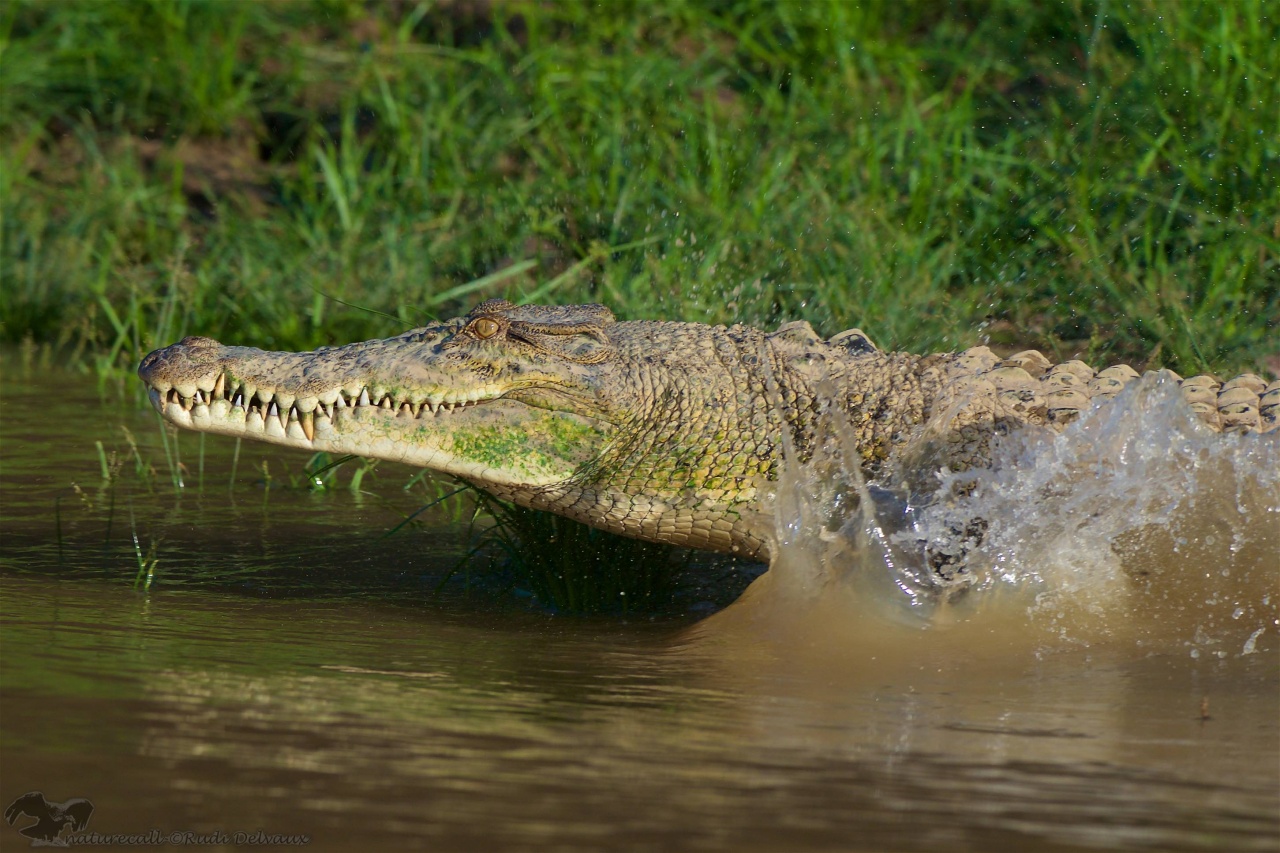
KOTA KINABALU: Following the recent tragic crocodile-related incidents and the subsequent calls for large-scale culling, the Danau Girang Field Centre (DGFC) is urging a shift in public strategy toward science-based risk reduction.
While the centre acknowledges the deep community grief and the understandable demand for crocodile removal, experts warn that killing or relocating individual animals often creates a false sense of security without addressing the root causes of danger.
DGFC emphasises that human life is the absolute priority in all conservation efforts.
“Conservation is often misunderstood as prioritising wildlife over people,” says Dr Sai Kerisha, crocodile expert from DGFC. “In reality, our work is about protecting lives in shared environments. Human safety and the lived experiences of those residing alongside these apex predators are central to everything we do.”
Why crocodile removal alone may not solve the problem
Public concern following recent attacks has intensified calls for crocodile removal. However, DGFC highlights several critical biological realities that challenge this perception.
According to Dr Sai Kerisha, when a dominant crocodile is removed, the vacant territory is quickly occupied by new individuals. These newcomers are often more unpredictable as they fight to establish dominance, potentially increasing the risk of attacks.
“Rivers are open, connected systems. It is extremely difficult to identify the specific animal responsible for an attack. Often, a non-aggressive crocodile is removed while the actual threat remains in the water,” DGFC said in the statement.
“As long as a river system is healthy, crocodiles will move through it. Removing one animal does not eliminate the presence of others.”
Increasing overlap between humans and crocodiles
DGFC added that current scientific data does not indicate a massive overpopulation of crocodiles in Sabah, but rather that the increase in incidents is being driven by growing overlap between crocodile habitats and human activity.
Factors such as habitat loss, depleted natural prey, and increased human activity are forcing crocodiles into closer contact with people.
“Under ecological pressure, crocodiles – which are opportunistic predators – are more likely to take risks. Frequent human activities such as fishing or bathing at the same river access points allow crocodiles to learn patterns, significantly increasing the likelihood of an encounter,” DGFC stated.
Crocodile Exclusion Enclosures aim to create safer river access
DGFC points out that crocodiles have been harvested and removed in Sabah for years, yet incidents are currently increasing, suggesting that removal alone is not a deterrent.
To address this, DGFC is piloting several practical safety initiatives, including Crocodile Exclusion Enclosures (CEE), which create protected sections of rivers by physically limiting crocodile entry and allowing safer access to water.
The centre also emphasised the importance of awareness programmes to help communities better understand crocodile behaviour and reduce high-risk river activities.
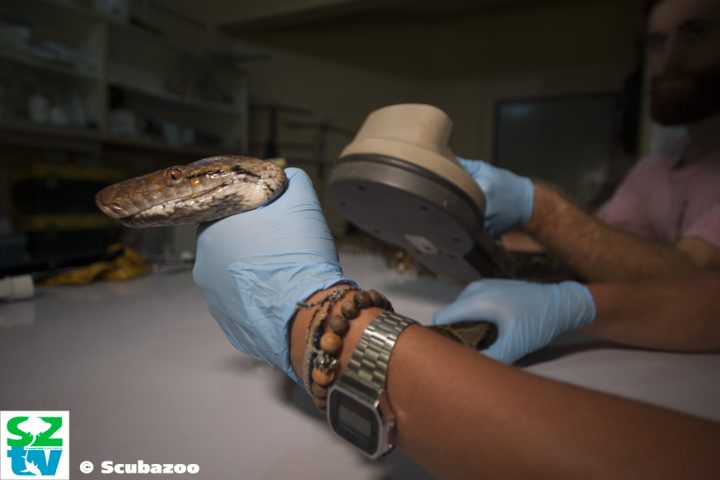
In addition, DGFC said long-term science-based monitoring is needed to better understand how crocodiles and humans interact in changing environments.
DGFC maintains that while public concern is valid and necessary, permanent solutions require more than reactive culling.
“The goal is not to choose between people and crocodiles,” says Dr Benoit Goossens, Director of DGFC.
“The goal is to ensure that people are safer in the environments where they live and work. Therefore, we must focus on reducing risk at its source through awareness, better infrastructure, and a realistic understanding of river ecosystems.”