Every year on 21 March, the world celebrates International Day of Forests to recognise the vital role forests play in our lives and to raise awareness about the need for sustainable forest management.
This year’s theme “Forests and Economy” highlights that forests are not only rich in biodiversity but also vital drivers of economic prosperity, from supporting livelihoods and food systems to maintaining clean water, regulating climate and providing nature-based solutions.
Forest Department Sarawak Director Datu Hamden Mohammad was quoted in a July 2025 news report stating that forests do more than just provide natural land, but they help the economy in many areas, especially in forest-rich places like Sarawak. According to Hamden, forests in the state contribute about RM 2.8 billion to RM 3.5 billion a year. This includes both tangible benefits like timber, non-timber forest products and ecotourism, and intangible benefits such as ecosystem services and cultural values.
WWF-Malaysia Sarawak Conservation Head Cynthia Chin points out that these numbers show that forests are important both as natural heritage and economic assets. They provide raw materials for forest industries, sources of food and medicine, and ecosystem services like clean water, flood protection and carbon storage. These benefits help reduce costs and add value over the long term.
WWF-Malaysia Conservation Programme in Sarawak
Empowering the Ulu Ai Kanan Community in Ulu Sungai Menyang Landscape
As part of the orangutan landscape in Ulu Ai-Sedilu, WWF-Malaysia implements the project “Empowering the Livelihoods of the Ulu Ai Kanan Community in Ulu Sungai Menyang Landscape in Batang Ai, Sri Aman, Sarawak”. This is a collaboration between WWF-Malaysia and the Ulu Ai Conservancy, and it is funded by the German Federal Ministry for Economic Cooperation and Development (BMZ).
The main objective of this project is to strengthen orangutan conservation by ensuring that forest habitats remain connected and sustainably managed. At the same time, the project highlights empowering the Iban communities as key partners in managing natural resources.
Connecting Conservation and Development
Ulu Sungai Menyang, which lies outside a totally protected area boundary, is a crucial landscape for the movement and survival of orangutan populations. The project supports efforts to conserve and connect this important orangutan habitat through a comprehensive landscape management approach known as community conserved area or CCA.
Chin shares that WWF Malaysia’s recent orangutan survey in Ulu Sungai Menyang area has shown a significant orangutan increase.
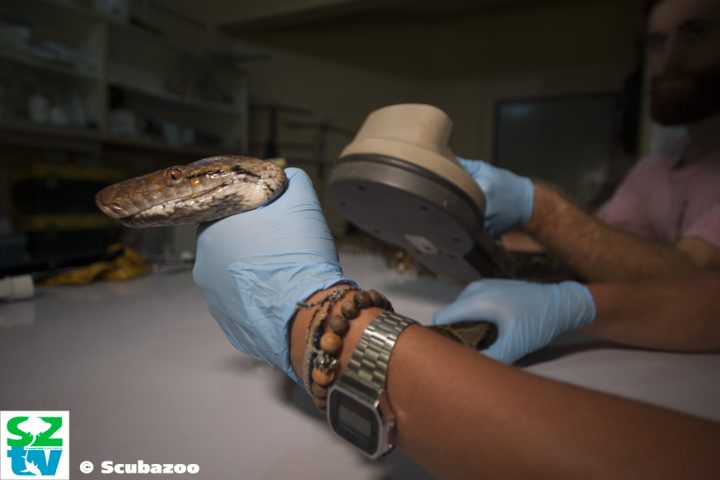
“Our Terrestrial Mammal team carried out marked nest counts in 2025. Results from our analysis show that orangutan population has increased to an estimated 167 individuals against 115 individuals in surveys by other conservation partners in 2014.
“Managing community forest areas sustainably helps lower the chances of habitats fragmentation. WWF-Malaysia recognises that conservation is more effective if local communities have stable alternative sources of income. Therefore, the project introduces a range of sustainable livelihood initiatives.”
Sustainable Livelihood Alternatives
Key activities include:
- Sustainable pepper farming – Promotes good agriculture practices that reduce chemical use and prevent clearing new forests.
- Agroforestry – Integrates agricultural crops with forest trees, maintaining ecosystem structure while generating income.
- Mushroom cultivation – Provides additional economic opportunities that require little space and do not harm the forest.
- Traditional handicraft production – Utilises local skills and culture as alternative income sources.
Agroforestry plays a particularly important role in balancing economic needs and conservation. It allows communities to cultivate commercially valuable crops without clearing forests entirely, preserving ecological functions such as carbon storage and soil protection.
Socioeconomic and Ecological Impacts
Through this project, communities gain more stable income sources while building capacity in sustainable land and forest management. This reduces reliance on activities that may damage the forest, such as uncontrolled clearing of new land.
More importantly, when communities see the direct economic benefits of a conserved forest, conservation becomes a shared interest rather than solely an external organisational agenda. This model demonstrates that forests can serve as a foundation for resilient and inclusive local economies.


Sustainable Agricultural Innovation in the Northern Sarawak Connectivity Landscape
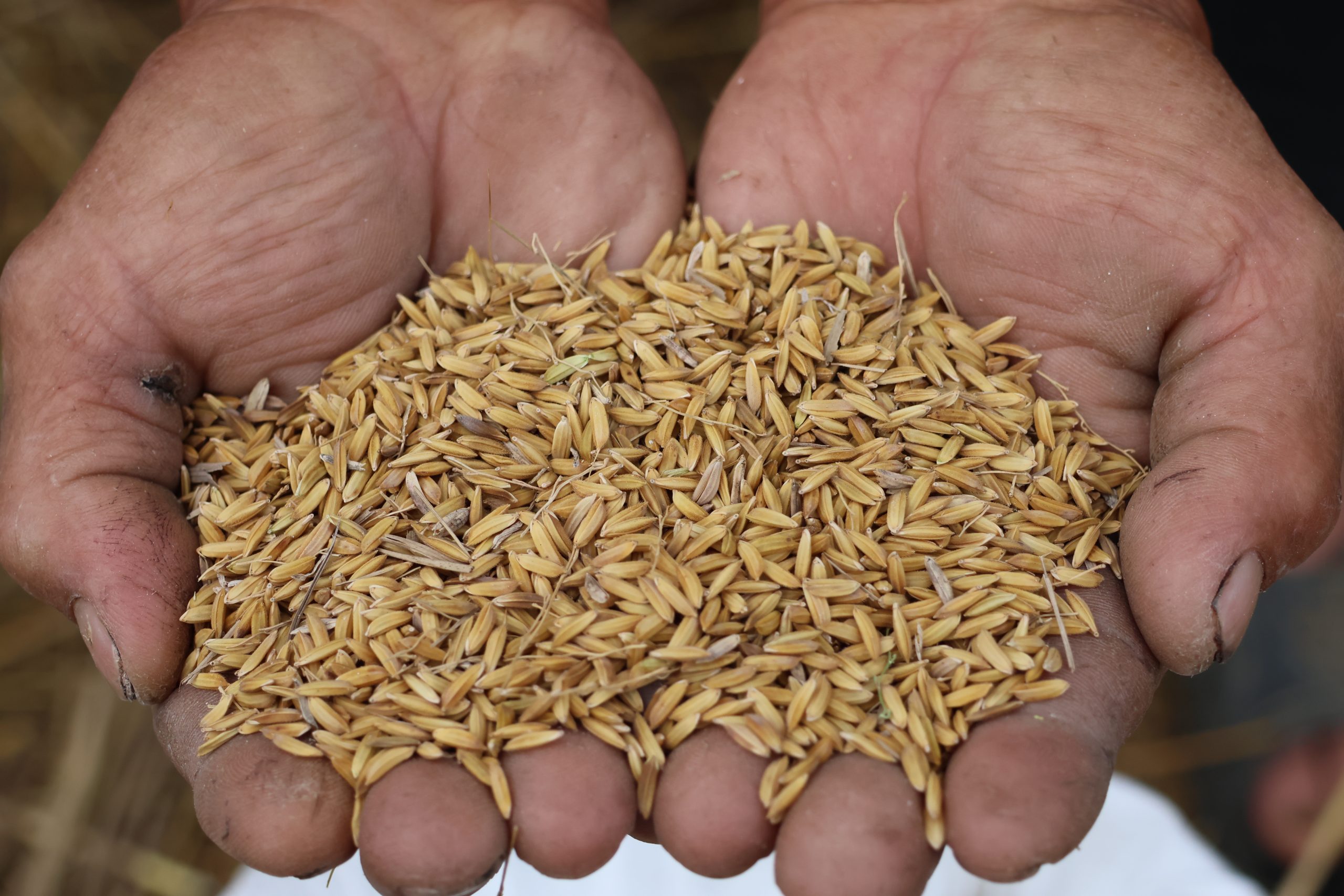
In Ba’ Kelalan, WWF-Malaysia introduced the System of Rice Intensification (SRI) as a more efficient, environmentally-friendly alternative to conventional rice farming. Unlike traditional methods relying on continuous waterlogging and chemical fertilisers, SRI emphasises controlled water use, systematic plant spacing and soil management to enhance natural fertility.
SRI improves water efficiency, maintains soil health, supports biodiversity and increases crop yields. By avoiding chemical fertilisers and pesticides, SRI lowers input costs and increases profit margins for farmers. In the long term, it helps build a more climate-resilient agricultural system. As paddy productivity increases, the need to clear new forest areas for agriculture is reduced, which is an important consideration in biodiversity-rich northern Sarawak.


Community Empowerment and Inclusive Governance
WWF-Malaysia emphasises empowering communities and inclusive governance, enabling local community to participate actively in forest management, says Chin These efforts preserve biodiversity while expanding sustainable use of forest products, supporting community livelihood and strengthening economic resilience in the face of climate challenges.
On International Day of Forests, Chin stresses that recognition is due to all stakeholders who play a vital role in these initiatives, including government agencies, implementing partners, local communities, researchers, the private sector, local and international funders. The collaboration of multiple parties demonstrates that sustainable forest management requires collective commitment and a shared vision.
“Ultimately, celebrating forests means acknowledging their value as an economic foundation, a source of life, and a guarantee for a sustainable future for generations to come. When forests are responsibly preserved, community well-being and economic stability are strengthened continuously,” she concludes.