Browse Tag

lifestyle

Introducing 15 Sarawakian superstitions you may have heard growing up

No matter where you are from, superstitions can be found everywhere and will be believed by at least one person next to you.

Every culture is bound to have a few superstitions and Sarawak has no shortage of it.

Some of these superstitions can be found throughout the rest of Malaysia but here are 15 Sarawakian superstitions you would have heard if you grew up in Sarawak:

1.Jungle superstitions

Introducing 15 Sarawakian superstitions you may have heard growing up Don’t call out your friend’s name in the jungle. Credits: Pixabay.[/caption]

Do not call out your friends’ names with wild abandon in the jungle or else ‘something else’ like a mischievous or malicious jungle spirit might answer you and lead you off the wrong path.

Some hikers have told stories of following behind somebody they believed to be one of their hiking buddies, only to discover later that they had been misled by a jungle spirit mimicking their friend’s appearance to lead them astray.

If you need to use the loo in the jungle, ask permission or apologise to the spirits in the area first because the spot you pick to do your business might be somebody’s home.

2.Give your new sandals a bite
Sarawakian superstitions
One of the famous superstitions is to make sure you give your new sandals a bite before wearing them. Credits: Pixabay.

If you just bought a pair of new sandals, give it a bite. Yes, a bite with your teeth.
It is believed that by doing so, you would lessen your chances of getting blisters on your feet.

3.Never ever point at the rainbow with your finger

Did you just spot a pretty rainbow? Do not point at it with your index finger or you might lose it. In other folk tales, your finger might turn to stone.

4.Do not let the end of the broom touch your feet

Introducing 15 Sarawakian superstitions you may have heard growing up
Do not let the end of the broom ever touch your feet. Credits: Pixabay

Sweeping over another person’s feet with a broom is said to bring bad luck. No worries, if the broom touches your own feet you can undo the bad luck by spitting on the broom.

5.Do not clip your fingernails at night

Clipping your fingernails or toenails at night are apparently an open invitation to ghosts to come into your house. It’s likely that this superstition came about as a safety precaution when our ancestors only had gas lamps or firelight to light their way in the dark.

6.Women should not sit on the house steps or staircase

Are you still single or unmarried? That’s probably because you sat on the house steps. Young and unmarried women are advised not to sit on the house steps for fear of living out the rest of their lives as a single woman (which is not entirely a bad idea).

7.Do not sit in the doorway either

Introducing 15 Sarawakian superstitions you may have heard growing up
A young and unmarried woman should not sit at the door. Credits: Pixabay.

Probably concocted by mothers tired of stepping over their children to get into the house, this is another one of many marriage-related superstitions. To young single women out there, sitting in the doorway will decrease the chances of men knocking on your door asking for your hand in marriage.

8.Do not sing while cooking

The kitchen is not for you to practice your singing. Burst out into song while you are cooking and you risk having an ugly or an old spouse in the future. (Unless you already have an unattractive spouse; go ahead and sing your heart out.)

9.Do not step over people when they are lying down

How to kill a person without lifting a finger? Lift your feet instead by stepping over them while they are lying down on the floor.

Similarly, if you ever acquire a medicinal or magical charm, never step over it for fear of said charm losing its powers.

10.Don’t change places while eating

If you are aiming to have many spouses like Elizabeth Taylor, by all means do not believe in this superstition.
Changing places while eating means you will have a lot of spouses in the future.

11.Do not write people’s name in red

Writing a person’s name in red ink is like signing them a death note as some people believe that doing so is cursing them to death.

12.Take a shower after coming back from a funeral

For those who have attended funerals at rural longhouses, you might have seen people jumping into the river after coming back from the cemetery.

Introducing 15 Sarawakian superstitions you may have heard growing up
Taking a shower after coming back from a funeral is a lot more common than you think in Sarawak. Credits: Pixabay.

Even if you are in town with no river in sight, taking a shower after coming back from a funeral is common practice for some families. For others, it is advised to wash your feet and your head before entering the house to wash off the negative aura of death.

Some believe this is also to prevent malicious spirits from following us from the grave site.

13.Touch wood
Apparently this is a global superstition. If you make a joke and it sounds like it has a chance of coming true, knock on any wood in sight and say “Touch wood!” to prevent the joke from becoming a reality.

14.Touch the plate of food you are offered if you are not eating

Let say that you are about to leave home and your mum just prepared dinner. You really need to leave so what do you do? Touch the plate of that dish with your fingers to avoid “kempunan”, which in Malay means the disappointment of not getting something. For the Iban, it is advised to eat a pinch of the rice offered before you leave the house to prevent an accident from happening to you.

15.“Are you going to fish?”

This is one of the superstitions still believed by people in the longhouses. If you see somebody carrying all the right tools to fish such as fishing nets, rods and all, do not ask the obvious question “Are you going to fish?”
You are throwing that person’s luck away and they will not catch any fish from their trip.

Similarly do not be overconfident about your fishing luck by saying something optimistic like “It looks like we’re going to catch a lot of fish today!” unless you’re ready to come back empty handed.

Do you know other superstitions? Let us know in the comment box

Discover SKULLPANDA CAGE-UNCAGE Singapore at the National Museum of Singapore

By Ng Ai Fern

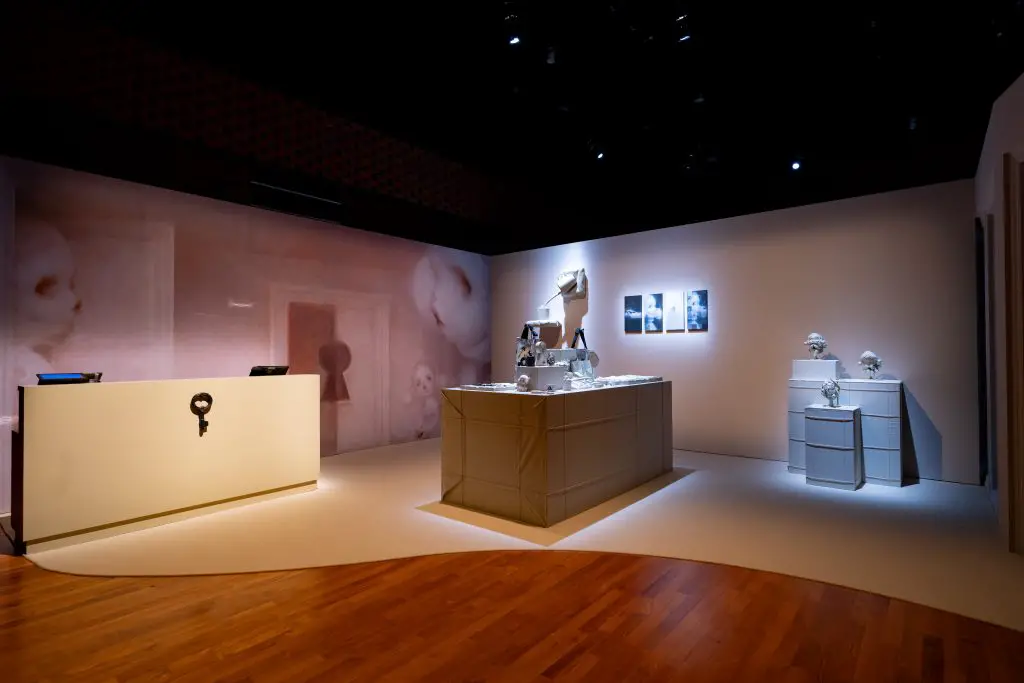
Find your “key” in life at the international debut of SKULLPANDA CAGE-UNCAGE Singapore at the National Museum of Singapore.

Running from 12 December 2025 to 22 February 2026, the exhibition invites visitors on a journey of self discovery through the deeper narrative behind the popular SKULLPANDA character. 

SKULLPANDA, one of POP MART’s successful collectible characters, is created by Chinese artist Xiong Miao. Unlike the playful, mischievous Labubu, SKULLPANDA is dreamy and introspective – a character with a skull-like face wearing an astronaut-style helmet that reflects its inner world.

A quest for the “key”

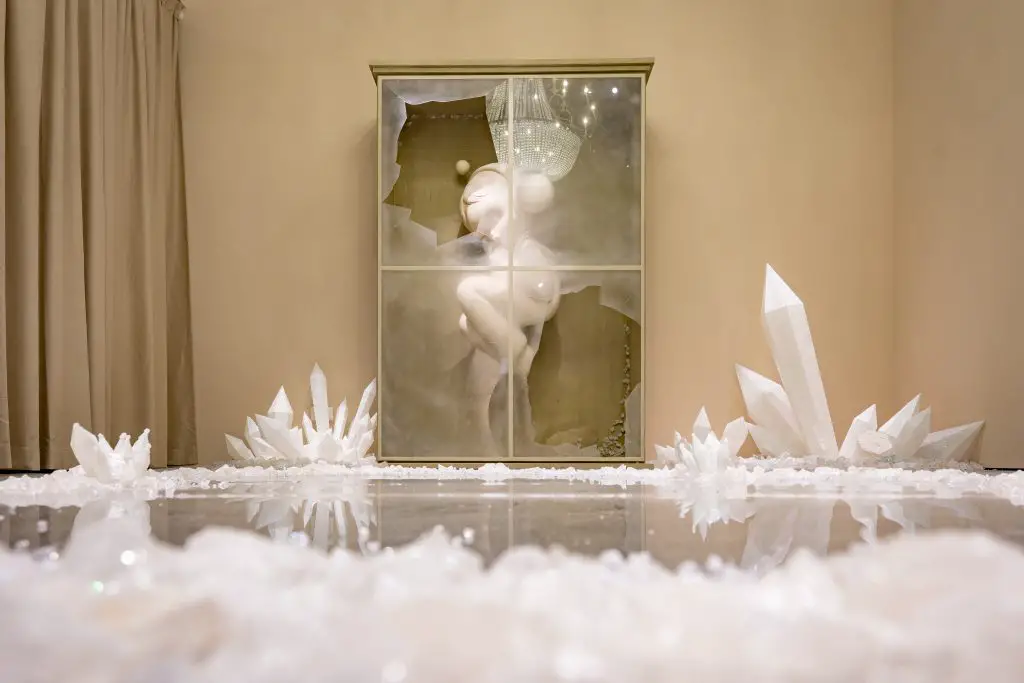
Fortune zone with mirrored surfaces and a central Skullpanda sculpture inside the Cage-Uncage Singapore showcase.

This immersive and thought-exploring showcase is built around a search for the “key,” connecting the dual states of “caged” and “uncaged” that define SKULLPANDA’s conflicting thoughts.

Visitors begin with The Key, where fragmented mirrors and scattered keys invite reflection on the boundaries between reality and endless possibilities. The journey continues through six themed zones – Emotion, Fortune, Rules, Exploration, Life and Direction – each offering a glimpse into SKULLPANDA’s inner landscape.

Visitors  can also become active participants by rotating a large cuboid. As the patterns break apart and reassemble. This simple motion mirrors exploration itself: shift your perspective, and the story changes; rearrange the pieces, and a new meaning appears.

The Room: the heart of the showcase

This central installation, known as The Room, uses reflection and repetition to evoke the inner conflicts at the core of SKULLPANDA’s narrative.
SKULLPANDA’s central installation, known as The Room.

At the centre of the exhibition sits The Room, a mirrored chamber linking all six zones. Two SKULLPANDA sculptures sit back-to-back, each holding a key.

The scene symbolises a familiar tension – the weight of being held back and the hope of breaking free. The mirrors create an abstract cityscape that blurs inside and outside, confinement and possibility, the finite and the infinite. Somewhere within these reflections lies the “answer” – the key held by the sculpture, and metaphorically, by the viewer.

And yes, just like SKULLPANDA, visitors eventually discover their own “key.”

A Singapore-exclusive installation

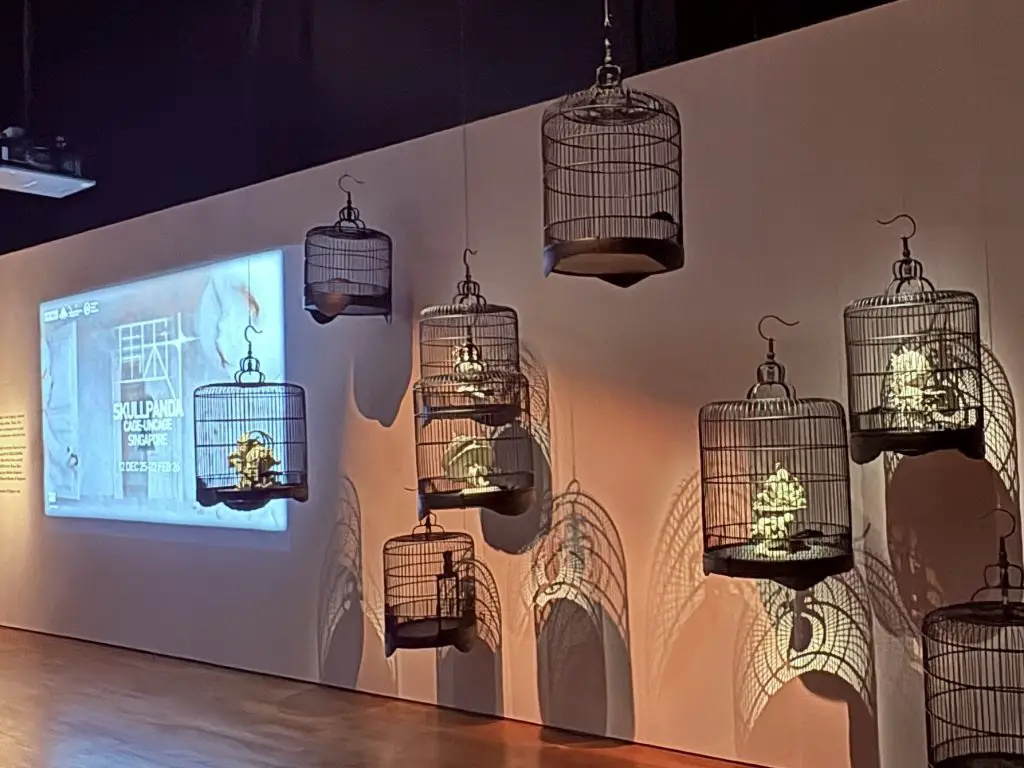
A Singapore-exclusive installation inspired by the city’s bird-singing tradition, featuring prototype Skullpanda figures from The Paradox Series and video art created specially for the CAGE-UNCAGE showcase by Xiong Miao. The exhibit was jointly created by POP Mart, The National Museum of Singapore and The Singapore Tourism Board.
A Singapore-exclusive installation jointly created by POP MART, The National Museum of Singapore and The Singapore Tourism Board.

Exclusive to the Singapore edition of the showcase is an installation that pays homage to bird singing, a beloved pastime enjoyed in Singapore’s housing estates among enthusiasts. Suspended bird cages present the original prototype figurines from the SKULLPANDA TheParadox Series, 

Presented by POP MART in collaboration with the character’s creator, Chinese artist Xiong Miao, and in partnership with the National Museum of Singapore and the Singapore Tourism Board, SKULLPANDA CAGE-UNCAGE Singapore presents a visual journey that delves into the tensions between containment and release that exist within our decisions. 

Showcase-exclusive merchandise is available at the Gallery Theatre retail zone for ticket holders, subject to eligibility and purchase limits. Additional POP MART items can be found at the POP-UP store in the museum’s Longer Concourse.

Inside the Gallery Theatre retail zone, visitors can browse exclusive CAGE-UNCAGE merchandise, available only at the Singapore exhibition.
Showcase-exclusive merchandise will be available for purchase at the Gallery Theatre retail zone.

Tickets are available at NMS at their official website or through the showcase’s ticketing partner Trip.com, priced from $36 (RM115) for Malaysian tourists. 

The National Museum of Singapore – the country’s oldest museum – is located at 93 Stamford Road, Singapore 178897.

Travel Note

Direct flights from Kuching, Sibu and Miri to Singapore are available via AirAsia and Scoot. AirBorneo will begin connecting to Singapore next year.

Large Skullpanda sculpture displayed on the front lawn of the National Museum of Singapore during the Cage-Uncage exhibition.
This outdoor SKULLPANDA installation marks the entrance to the CAGE-UNCAGE Singapore exhibition, extending the showcase beyond the gallery walls.
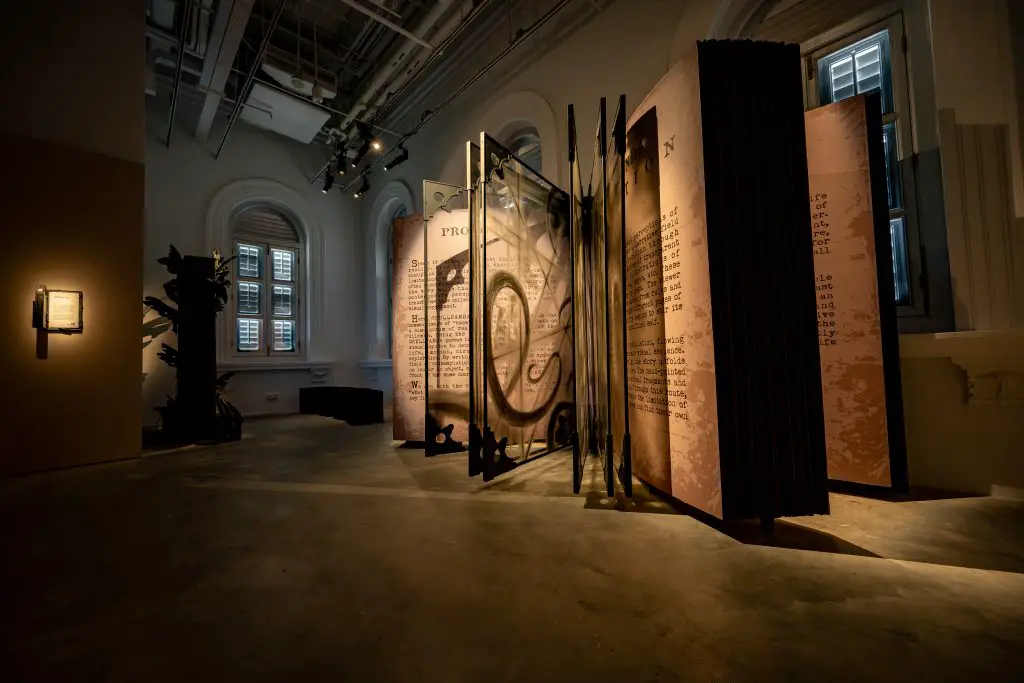
Transparent book pages installation in the Direction zone at Skullpanda Cage-Uncage Singapore.
In the Direction zone, transparent pages marked with thorns, shackles, and webs unfold like shifting paths toward freedom. Each turn reveals a new way to navigate obstacles or find sanctuary within constraints, while a giant picture frame of hand-drawn illustrations and moving light ties the narrative together with Xiong Miao’s signature butterfly motif.
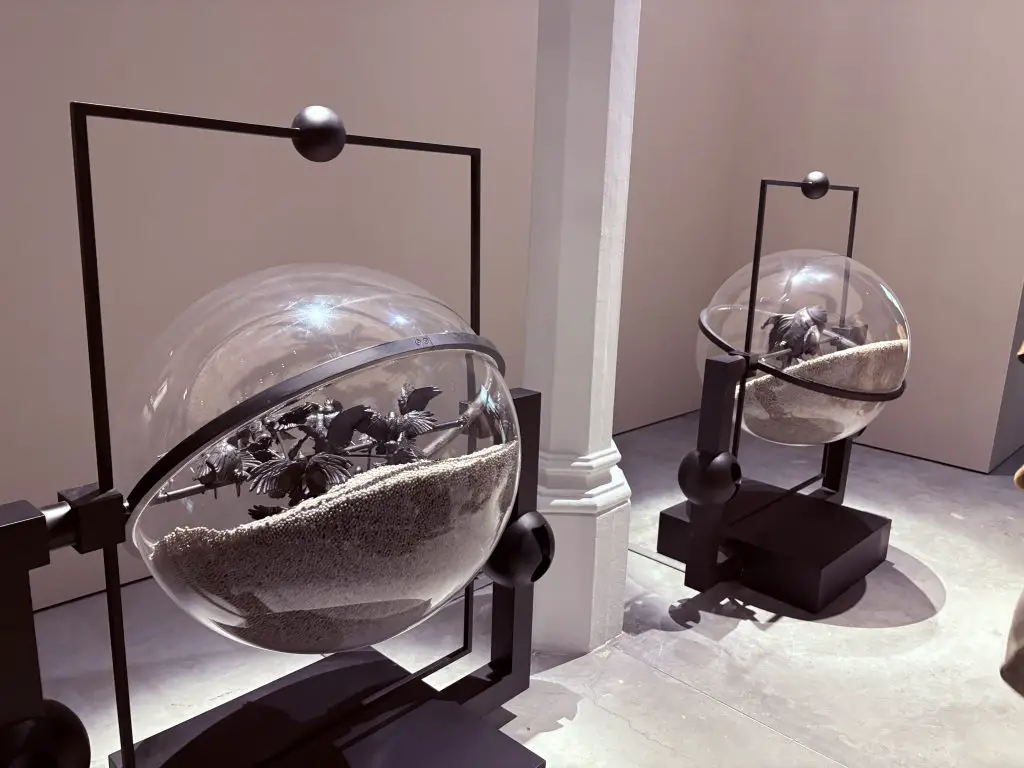
Through motion and balance, the Rules zone reflects the invisible structures that shape how we move through life.

An Epicurean exBEERience for 200 Carlsberg Smooth Draught Lovers

An Epicurean exBEERience for 200 Carlsberg Smooth Draught Lovers

SHAH ALAM 27 July 2022 – The Carlsberg Smooth Draught ‘Real Spicy, Real Smooth’ dining exBEERience has been an anticipated affair ever since the news made headlines. As anxious contestants gripped the edge of their seats in fervent excitement, 100 lucky winners and their partners were awarded the coveted prize of experiencing the edgiest contemporary Indian cuisine and Carlsberg’s signature refreshing smooth brew, Carlsberg Smooth Draught, in one fiery night of gastronomic symphony.

Spearheaded by the culinary maven – two Michelin-starred Chef Mano Thevar, the exclusive food pairing event delivered not just star-studded treatment but a four-course meal that brought to life the combinations of spicy Indian cuisine complemented and infused with Carlsberg Smooth Draught. The blend of heat and spice that graciously worked the palate coupled with the refreshing and hoppy taste of Carlsberg Smooth Draught induced a medley of unexplored flavours that took diners on an epicurean journey.

According to Lye Say Hong, “I’m super excited to be able to enjoy the experience of fine dining with Carlsberg! Never in my life have I won a prize, so this means a lot to me. When I first tried Carlsberg Smooth Draught I was intrigued. It was very smooth, which got me going. I fell in love with it! I am very excited to participate in tonight’s event.”

“I’ve personally never tried beer with spicy food before, so my first thoughts were I really want to win this prize. I really love spicy food and I love Carlsberg so when I won, I was over the top. I’m enjoying every single moment of this event and I really want to thank Carlsberg for this superb experience, they really are the best beer in the world!” said Thiban Eaganathan, another lucky winner.

An Epicurean exBEERience for 200 Carlsberg Smooth Draught Lovers

Kicking-off the evening with mouth-watering welcome bites, Chef Mano Thevar initiated diners with fluffy Chilli Cheese Kulcha served with a deliciously creamy Carlsberg Smooth Draught infused butter.

Once guests were seated, they were treated to the culinary performance of Chef Mano and his crew working like clockwork behind the open kitchen. The debut for the evening came in an explosion of layered flavours that encapsulated the senses with an opening snack of Beetroot Chaat, Maitake Mushroom Samosa and Chettinad Chicken Taco or Vindaloo Jackfruit Taco on the vegetarian menu.

For the appetiser, a perfectly seared Hokkaido Scallop submerged in a rich coconut sothi infused with Carlsberg Smooth Draught delivered depths of velvety essence with each mouthful, while non-meat eaters indulged in a beautiful Zucchini Blossom coated with the same sultry gravy.

The mains which offered either Saratoga Lamb Korma, Crispy Amadai or Cauliflower Malabar immersed the tastebuds with spicy earthy flavours blended with Carlsberg Smooth Draught as one of the key ingredients. Each mouthful delivered a magical fusion of hot and piquant cuisine elevated by the refreshing smoothness of Carlsberg Smooth Draught, bringing guests on a mouth-watering joyride. The meal was then strikingly concluded with Rasmalai, a Carlsberg Smooth Draught infused ice-cream, to wash down the heat induced feast.

An Epicurean exBEERience for 200 Carlsberg Smooth Draught Lovers

“This was a really great campaign by Carlsberg. I’ve always been a fan of Carlsberg Smooth Draught, and this was something truly unique. I even got a chance to tap my own beer for the very first time and learn about what goes into the creation of Carlsberg Smooth Draught which was really interesting.

The fact that the food was created by a Malaysian Michelin-starred chef was really the cherry on top of the cake for my partner and I, we were very proud to be part of this experience,” mentioned Ricknesh Kishor, another winner of the dining exBEERience.

The versatility of Carlsberg Smooth Draught delivers endless new and innovative adventures that will allow drinkers to really explore the depths of its flavour. With special thanks to Chef Mano Thevar and The RuMa Hotel and Residences in making the campaign a success, Carlsberg Malaysia now looks to bringing more exciting and contemporary campaigns to the fore.

An Epicurean exBEERience for 200 Carlsberg Smooth Draught Lovers

Visit https://www.probablythebest.com.my/ to find out more about our upcoming promotions in-store and be sure to ‘Like’ and ‘Follow’ @CarlsbergMY on Facebook and Instagram for Carlsberg’s latest activities and giveaways.

Of course, as part of living a safe and responsible life, we advocate responsible consumption, always remember if you drink, don’t drive – #CelebrateResponsibly.

Celebrating Sabah and Sarawak pride with artistic icons on Carlsberg Special Edition cans

Celebrating Sabah and Sarawak pride with artistic icons on Carlsberg Special Edition cans
Carlsberg presents Sabah and Sarawak’s special-edition packaging in appreciation of their
beautiful heritage, traditions, and natural wonders

SHAH ALAM, 28 March 2022 – Building on the success of its Gawai and Kaamatan Festivals’ limited-edition packaging last year, Carlsberg Smooth Draught presents six artistically designed special-edition
cans and bottles this year to celebrate the pride of Sabah & Sarawak. The eye-catching mural that perfectly wraps each product centres around bringing people together to appreciate and celebrate the bountiful art and culture of the stunning Borneo islands.

Sporting six unique icons in vibrant colours, the ‘Sabah & Sarawak Pride’ packaging sublimely accentuates the lush local nature and rich culture in an illustrative composition, showcasing a masterpiece of contemporary art and beer. The creative artworks feature icons such as the Orangutan, majestic mountains and Rafflesia of Sabah and the Longhouse, Hornbill and Sape of Sarawak.

Aptly themed ‘Raikan Kebanggaan Sabah & Sarawak’, this campaign pays tribute and recognition to the beautiful culture of the natives, extraordinary wildlife, and amazing natural wonders. Available in 320ml cans and 580ml bottles, these iconic Carlsberg Smooth Draught products are made exclusively for Carlsberg consumers in Sabah and Sarawak and will be introduced in three phases through island-wide consumer promotions. The first two designs were revealed in March, followed by another two in conjunction with the coming Gawai and Kaamatan festivals and the final two to be unveiled towards the last quarter of the year.

“Sabah and Sarawak are both well-known for their diverse people, languages, traditions and festivities, so is Carlsberg, a brand that celebrates, and pays homage to that distinction that the locals carry so proudly. Last year, our first-of-its-kind festive cans in conjunction with the Gawai and Kaamatan festivals had such an amazing reception. This year, we wanted to step it up a notch, by rendering some of the most notable local icons into works of art, using our products as the canvas,” said Stefano Clini, Managing Director of Carlsberg Malaysia.

Visit https://carlsbergsabahsarawak.com to find out more about promotions in-store. ‘Like’ and ‘Follow’ @CarlsbergMY on Facebook and Instagram for Carlsberg’s latest activities and giveaways.

Of course, as part of living a safe and responsible life, we advocate responsible consumption, always remember if you drink, don’t drive – #CelebrateResponsibly.


The origin stories behind 20 cocktails and how to make them

Raise your glass if you are a fan of cocktails. What makes this alcoholic mixed drink interesting is that there are endless possibilities of making a new cocktail recipe.

There are various combinations of one spirits or more with other ingredients such as syrup, juice or cream.

Do you know that there are official recipes for cocktails? International Bartenders Association (IBA) sanctions a list of official cocktails with official recipes which go along with them.

These cocktails are then selected by the IBA for use in the annual World Cocktail Competition in bartending.

The origin stories behind 20 cocktails and how to make them
Cocktails are always a good choice if you are looking into diversifying your alcohol consumption.

Here, KajoMag has compiled 20 cocktails along with their origin stories and recipes:

1.Pina Colada

The origin stories behind 20 cocktails and how to make them

Like most origin stories behind the cocktails on this list, there are several versions of how Pina Colada came about.

The earliest known stories trace back to the 19th century. To boost his crew’s morale, Puerto Rican pirate Roberto Cofresi allegedly gave them a cocktail containing coconut, pineapple and white rum.

This cocktail would later became the famous pina colada. However, this version is often being disputed.

Another version stated that the Caribe Hilton Hotel’s bartender Ramon Maerrero created the drink in 1954.

Meanwhile, a Puerto Rican restaurant claimed that the drink was invented by Spanish bartender Don Ramon Portas Mingot in 1963.

Regardless, Puerto Rico proclaimed Pina Colada as its official drink in 1978.

Served: Frozen
Standard Garnish: Pineapple slice and/or maraschino cherrt
Standard Drinkware: Poco Grande glass
IBA Specified Ingredients: 3 cl white rum, 9 cl pineapple juice, 3 cl cream of coconut
Preparation: The first step is to blend all the ingredients with ice in an electric blender. Then, pour into a large goblet and serve with straw.

2.Tequila Sunrise

The origin stories behind 20 cocktails and how to make them

The original version of Tequila Sunrise comprised of tequila, creme de casssis, lime juice and soda water. It was first served at the Arizona Biltmore Hotel in the 1930s or 1940s.

As years passed, the popular version of Tequila Sunrise came along from Sausalito, California in the early 1970s. This version now containstequila, orange juice and grenadine.

When it is served, the cocktail’s gradation colour looks like sunrise, hence the name ‘Tequila Sunrise’.

Served: One the rocks
Standard Garnish: On the rocks
Standard Drinkware: Collins glass
IBA Specified Ingredients: 4.5 cl tequila, 9 cl orange juice, 1.5 cl grenadine syrup
Preparation: Pour the tequila and orange juice into glass over ice. Add the grenadine, which will sink into the grenadine. In order to create the sunrise effect, stir the cocktails gently. Finally, garnish and serve.

3.Mai Tai

The origin stories behind 20 cocktails and how to make them

There are three men who claimed to have invented Mai Tai. Victor J. Bergeron claimed he invented it at his restaurant Trader Vic’s in California in 1944.

However, Trader Vic’s forerunner Donn Beach claimed to invent it first in 1933.

Meanwhile, another colleague of Donn Beach said the drink was based on his Q.B Cooler cocktail.

As for the name, it was allegedly taken from the Tahitian word maita’I meaning good or excellence.

Served: On the rocks
Standard Garnish: Spearmint leaves and lime shell
Standard drinkware: Old Fashioned Glass
IBA specified ingredients: 4 cl white rum, 2 cl dark rum, 1.5 cl orange curacao, 1.5 ck orgeat syrup, 1 cl fresh lime juice. Preparation: Shake all ingredients with ice. Secondly, strain the drink into glass. Garnish and serve with straw.

4.Cosmopolitan

The origin stories behind 20 cocktails and how to make them

There are so many disputes on the origin of Cosmopolitan that one could do research paper on it.

One version said it came from the gay community in Provincetown, Massachusetts.

Another theory stated that the bartender Neal Murray created the drink in 1975 at the Cork & Cleaver steakhouse in Minneapolis.

Basically, the drink is made with vodka, triple sec, cranberry juice and freshly squeezed lime juice.

Served: Straight up
Standard Garnish: Lime slice
Standard Drinkware: Cocktail Glass
IBA Specified Ingredients: 4 cl vodka citron, 1.5 cl cointreau, 1.5 cl fresh lime juice. 3 cl cranberry juice
Preparation: Shake all ingredients in cocktail shaker filled with ice. After that, strain it into a large cocktail glass. Finally, garnish the drink with lime slice.

5.Long Island Tea

The origin stories behind 20 cocktails and how to make them

The Prohibition in the US took place from 1920 to 1933. That was when a nationwide constitutional ban on the production, importation, transportation and sale of alcoholic beverages.

At that time, there was a man who went by “Old Man Bishop” in a local community named Long Island in Kingsport, Tennessee. The drink was then perfected by Old Man Bishop’s son, Ransom Bishop.

Their version of drink included whiskey and maple syrup and varied quantities of different kinds of liquors rather than the modern version with one cola and five equal portions of five liquors.

Fast forward 50 years later, a man named Robert Butt claimed to have invented the Long Island Tea during a contest. He was working at the Oak Beach Inn on Long Island, New York.

Served: On the rocks
Standard Garnish: Lemon slice
Standard Drinkware: Highball glass
IBA Specified Ingredients: 1.5 cl tequila, 1.5 cl vodka, 1.5 cl white rum, 1.5 cl triple sec, 1.5 cl gin, 2.5 cl lemon juice, 3.0 cl simple syrup, top with cola
Preparation: Firstly, add all ingredients into a highball glass filled with ice. Stir gently. Optionally garnish with lemon slice.

6.Margarita

The origin stories behind 20 cocktails and how to make them

Here is another drink that gained fame during the Prohibition. According to cocktail historian David Wondrich, the margarita is the Daisy cocktail remade with tequila instead of brandy.

The earliest account of margarita was found in 1936 Iowa newspaper.

Margarita can be served shaken with ice (on the rocks), blended with ice (frozen margarita) or without ice (straight up).

While it may be served in a variety of glasses, it is widely known to be served in a margarita glass which is a variant of the classic champagne coupe.

Served: On the rocks
Standard Garnish: Salt on the rim
Standard Drinkware: Margarita glass
IBA Specified Ingredients: 3.5 cl tequila, 2 cl Cointreau, 1.5 cl lime juice
Preparation: Pour all ingredients into shaker with ice. Shake well and strain into cocktail glass rimmed with salt.

7.Bloody Mary

The origin stories behind 20 cocktails and how to make them

The first person claiming to have invented the Bloody Mary is French bartender Fernand Petiot. He was working at the New York Bar in Paris at that time which later became Harry’s New York Bar.

Legend has it that the original cocktail is created on the spur of the moment, consisting of vodka and tomato juice.

After Petiot, there is a handful of other people claiming to have invented the cocktail.

As for the name, “Bloody Mary” is associated with a number of historical figures such as Queen Mary I of England, Hollywood star Mary Pickford as well as a waitress named Mary who worked at Chicago bar called the Bucket of Blood.

Served: On the rocks
Standard Garnish: Celery stalk
Standard Drinkware: Highball glass
IBA Specified Ingredients: 3 parts vodka, 6 parts tomato juice, 1 part lemon juice, 2 to 3 dashes of Worcestershire sauce, Tabasco sauce, celery salt, black pepper
Preparation: Stirring gently, pour all ingredients into highball glass. Garnish.

8.Cuba Libre

The origin stories behind 20 cocktails and how to make them

Cuba Libre was first originated in the early 20th century in Cuba after the country won independence in the Spanish-American War. While its exact origins is uncertain, the drink became popular shortly after 1900 when bottle Coca Cola was first imported into Cuba from the US.

Traditionally, it is made using rum and coke hence the alternate name Rum and Coke. The coke ingredient is usually Coca-Cola and the alcohol is a light rum such as Bacardi.

The drinks’ traditional name, “Cuba Libre” (Free Cuba) was the slogan of the Cuban Independence movement.

Since it is simple and inexpensive to make, it is one of the most common and classic cocktails drink out there.

Served: On the rocks
Standard Garnish: Lime wedge
Standard Drinkware: Highball glass
IBA Specified Ingredients: 12 cl Cola, 5 white rum and 1 cl Fresh lime juice
Preparation: Build all ingredients in a highball glass filled with ice. Garnish with Lime Juice

9.Daiquiri

Daiquiri is the name of a beach as well as an iron mine near Santiago de Cuba. It was believed that the drink was invented by an American mining engineer named Jennings Cox. He was in Cuba at the time during the Spanish-American War.

Served: Straight up
Standard Drinkware: Cocktail glass
IBA Specified ingredients: 6 cl white rum, 2 cl lime juice, 2 bar spoons superfine sugar
Preparation: In a cocktail shaker add all ingredients. Stir well to dissolve the sugar. Add ice and shake. Strain into chilled cocktail glass.

10.Mojito

The origin stories behind 20 cocktails and how to make them

Known as author Ernest Hemingway’s favourite drink, this is one of the most famous rum-based cocktails out there. It came from Havana, Cuba with its exact origin still remain subject of debate.

Some historians believed that African slaves who worked in the Cuban sugar cane fields during the 19th century came up with the basic of the drinks.

However, the original version of the drink did not contain lime juice.

There are several theories behind the origin of the name mojito. One theory stated that it relates to mojo, a Cuban seasoning made from lime. Another theory is that it is a derivative of mojadito (Spanish for a little wet).

Served: On the rocks
Standard Garnish: Sprig of mint, lemon slice
Standard Drinkware: Collins glass
IBA Specified Ingredients: 4 cl white rum, 3 cl fresh lime juice. 6 sprigs of mint, 2 teaspoons sugar/sugar syrup, soda water
Preparation: Muddle mint leaves with sugar and lime juice. Add a splash of soda water and fill the glass with cracked ice. Pour the rum and top with soda water. Garnish with sprig of mint leaves and lemon slice. Serve with straw.

11.Mint Julep

The origin stories behind 20 cocktails and how to make them

One of the earliest records describing the cocktails was found in a book by John Davis in 1803.

Mint julep was described as “a dram of spirituous liquor that has mint steeped in it, taken by Virginians of a morning.”

Generally, the cocktail is associated with southern American cuisine.

Served: On the rocks
Standard Garnish: Mint sprig
Standard Drinkware: Highball glass
IBA Specified Ingredients: 6cl Bourbon whiskey, 4 mint leaves, 1 teaspoon powdered sugar, 2 teaspoons water
Preparation: In a highball glass gently muddle the mint, sugar and water. Fill the glass with cracked ice, add Bourbon and stir well until the glass is well frosted. Garnish with a mint sprig.

12.Sex on the Beach

It is not known on how or who invented the drink Sex on The Beach. While the name is provocative for a drink, it is also unknown on how the name came about.

There are several variations of Sex on the Beach. For examples grenadine is used in replace of cranberry juice and coconut rum is often substituted for the vodka.

Served: On the rocks
Standard Garnish: Orange slice
Standard Drinkware: Highball glass
IBA Specified Ingredients: 4 cl vodka, 2 cl peach schnapps, 4 cl orange juice, 4 cl cranberry juice
Preparation: Build all ingredients in a highball glass filled with ice. Garnish with orange slice.

13.Singapore Sling

Here is a cocktail which has a Sarawak essence in it. There are few so called original recipes for Singapore Sling. One version is made by mixing two measures of gin with one of cherry brandy and one each of orange, pineapple and lime juice.

Another version is to have gin, Cherry Heering, Benedictine and fresh pineapple juice primary from Sarawak.

This gin-based cocktail was developed sometime before 1915 by a Hainanese bartender named Ngiam Tong Boon. At that time, he was working at the Long Bar in Raffles Hotel, Singapore.

Classic Singapore Sling

Served: Straight up
Standard Garnish: Maraschino cherry, lemon slice
Standard Drinkware: Highball glass
Commonly used ingredients: 2.5 cl gin, 4.5 cl cherry brandy, 1.5 cl fresh lemon juice, 20 cl soda water
Preparation: Pour all ingredients into cocktail shaker filled with ice cubes. Shake well. Strain into highball glass or tumbler. Optionally add one or two cubes. However, do not flood the drink with ice. Garnish with lemon slice and cocktail cherry.

American Singapore Sling

Served: Straight up
Standard Garnish: Maraschino cherry, pineapple
Standard Drinkware: Hurricane glass
IBA Specified Ingredients: 3 cl gin, 1.5 cherry brandy, 0.75 cl cointreau, 0.75 cl Benedictine, 1 cl grenadine, 12 cl pineapple juice, 1.5 cl fresh lime juice, 1 dash Angostura bitters
Preparation: Pour all ingredients into cocktail shaker filled with ice cubes. After that, shake it well. Strain into highball glass. Finally, garnish the drink with pineapple and cocktail cherry.

14.Kamikaze

The origin stories behind 20 cocktails and how to make them

Although the name is Japanese, this cocktail does not come from Japan. According to cocktail historian, Kamikaze first appeared in 1976. Richard Stein, the proprietor of Richard’s Lounge in Lakewood, New Jersey was the one who created it.

Served: Straight up
Standard Garnish: Lime slice
Standard Drinkware: Cocktail glass
Commonly Used Ingredients: Shake all ingredients together with ice. Then, strain the drink into glass, garnish and serve.

15.Mimosa

Named after the yellow-flowered mimosa plant (Acacia dealbata), this cocktail is traditionally served in a tall champagne flute at weddings or in a business class on airlines. It is a simple cocktail of combining orange juice and champagne.

Moreover, this concept of combining sparkling wine and orange juice is commonly found in Spain for centuries.

Another variation of mimosa is by replacing champagne with vodka and orange juice with cranberry juice.

Served: Straight up
Standard Garnish: Orange juice
Standard Drinkware: Champagne flute
IBA Specified Ingredients: 7.5 cl champagne, 7.5 orange juice
Preparation: Ensure both ingredients are well chilled, then mix into the glass. Serve it cold.

16.Irish Coffee

One of the many people who claimed to have invented the Irish Coffee is Joe Sheridan. He was the head chef at the restaurant and coffee shop in the Foyness Airbase flying boat terminal building, Ireland.

He started to add whiskey to the coffee for some disembarking passengers in 1942 or 1943.

Served: Hot
Standard Drinkware: Irish coffee mug
IBA Specified Ingredients: 4 cl Irish whiskey, 8 cl hot coffee, 3 cl fresh cream, 1tsp brown sugar.
Preparation: Firstly, heat the coffee, whiskey and sugar. However, do not boil it. Pour into glass and top with cream, serve hot.

17.Manhattan

The most history suggests that this cocktail originated from the Manhattan Club in New York City in the mid-1870s.

However, there is another earlier account stating that the drink was invented in the 1860s by a bartender named Black at a bar near Houston Street, downtown Manhattan.

While this cocktail is originated from the US, it is a standard drink at almost every eatery and bar on the small island of Fohr on the German coast of the North Sea.

Legend has it that many people from Fohr emigrated to Manhattan during deep sea fishing trips. They liked the drink so much that they brought it back to Fohr with them.

Served: Straight up
Standard Garnish: Maraschino cherry
Standard Drinkware: Cocktail glass
IBA Specified Ingredients: 5 cl rye whiskey, 2 cl sweet red vermouth, dash Angostura bitters
Preparation: Stirred over ice, strained into chilled glass, garnish, and served up.

18.Martini

American journalist H.L. Mencken called it the only American invention as perfect as the sonnet. Meanwhile, American writer called it the elixir of quietude.

Martini has become one of the best American cocktails, widely known for its olive garnish.

As for its origins, many believed that it evolved from a cocktail called the Martinez at the Occidental Hotel in San Francisco.

Another theory is that the drink was invented by a bartender from the town of Martinez, California.

Served: Straight up or on the rocks
Standard Garnish: Olive or lemon twist
Standard Drinkware: Cocktail glass
IBA Specified Ingredients: 6 cl gin, 1 cl dry vermouth
Preparation: Pour all ingredients into mixing glass with ice cubes. Stir well. Strain into chilled martini cocktail glass. Lastly, squeeze oil from lemon peel onto the drink or garnish with olive.

19.French 75

During the 19th century, the Champagne Cup was a popular cocktail. It consists of champagne, lemon juice, sugar and ice. However, sometimes gin was added giving birth a drink similar to French 75.

The current version of French 75 is believed to date back to World War I. The combination was said to have such a kick that it felt like being shelled with the powerful French 75mm field gun, hence the name French 75.

Served: Straight up
Straight Drinkware: Champagne flute
IBA Specified Ingredients: 2 cl gin, 2 dashes simple syrup, 1.5 cl lemon juice, 6 cl champagne
Preparation: Combine gin, syrup and lemon juice in a cocktail shaker filled with ice. Shake vigorously and strain into chilled champagne glass. Top up with champagne. Finally, stir it gently.

20.Moscow Mule

Sometimes known as a vodka buck, Moscow Mule is a cocktail with so many variations depending on the liquors used.

For examples, if bourbon is used then the drink is called a Kentucky mule. If bourbon and coffee liquer are used, then it is called a New Orleans mule. Mexican mule for instance is when a tequila is used.

Unlike other cocktails on this list, this cocktail is properly served in a copper mug which takes on the temperature of the liquid.

Served: On the rocks
Standard Garnish: Lime slice
Standard Drinkware: Copper mug
IBA Specified Ingredients: 4.5 cl vodka, 0.5 cl lime juice, 12 cl ginger beer
Preparation: Combine vodka and ginger in a glass filled with ice. Then, add lime juice. Stir gently. Garnish.

Share in the comment box which ones are your favourites cocktails!

All photos and illustrations are from pixabay.com

Whip up Michelin-star dishes with these recipes from Jing Yaa Tang

With people staying homebound in the fight against Covid-19, social distancing measures have given rise to plenty of stay-at-home chefs who are utilising their time indoors to master new skills in the kitchen.

Located at The Opposite House – a striking hotel in the heart of Beijing, Jing Yaa Tang restaurant is ready to spill the beans on two of their recipes during this pandemic.

Renowned for its selection of dishes inspired by the famous Beijing roast duck, one-Michelin star restaurant Jing Yaa Tang uses only the finest ingredients to produce authentic Chinese cuisine at its best.

Now, the celebrated restaurant divulges two of its favourite recipes – the fragrant Kung Pao Chicken, and the saccharine Cherry Tomatoes marinated in plum sauce.

Since you cannot travel to Jing Yaa Tang in Beijing to try these Michelin-star dishes, why not make them on your own?

Kung Pao Chicken

Whip up Michelin-star dishes with these recipes from Jing Yaa Tang
Kung Pao Chicken by Jing Yaa Tang.

Main ingredients:

Chicken thigh (20g)
Diced green onion (50g)
Cooked peanuts (25g)
Cooked cashew nuts (25g)
Sliced garlic (5g)
Sliced ginger (5g)
Dried chilli (5g)

Ingredients:

A.Salt (2g), rice wine (5g), sugar (1g), egg (1/3), corn flour (6g)

B.B. Sugar (30g), salt (3g), rice vinegar (50g), corn flour (10g)

Method:

1.Mix and pickle the diced chicken thigh with seasoning (ingredients A).
2.Heat the oil in a heated wok first, and fry the pickled chicken and diced green onion until the chicken is cooked.
3.Cook the sliced garlic and ginger, dry the red chilli segment first, add the cooked chicken and onion, and then stir-fry the cooked peanuts, cashew nuts and ingredients B.

Tips:

1. Cook the fried chicken and diced onion for one minute to elevate the taste.
2.Turn off the fire when adding the peanuts and cashew nuts to keep them crispy.

Cherry tomatoes marinated in plum sauce

Whip up Michelin-star dishes with these recipes from Jing Yaa Tang
Cherry tomatoes marinated in plum sauce by Jing Yaa Tang

Main ingredients:

Water (300g)
Sugar (80g)
Preserved prune slice (1 pc)
Concentrated orange juice (10g)
White vinegar (50ml)
Cherry tomatoes (200g)

Method:

1.Remove the root of the cherry tomatoes and peel with boiling water.
2.Boil the preserved prune in water, and then add other seasonings after three minutes. Turn off the fire when sugar melts completely.
3.Soak the cherry tomatoes into the sauce for 8 hours after they have cooled.

Tips:

1.Keep frozen after soaking
2.The length of time soaked will influence the tasty

10 ingredients to spice up your baked chicken breast

If you are looking for a quick, delicious and less guilty source of protein to make for your dinner, look no further than baked chicken breast.

Chicken breast is a great source of lean protein. It is perfect for those who are looking to build their muscle mass since it contains low fat.

Additionally, it is easy to cook, especially if you buy it skinless and boneless from the supermarket.

You can reduce the oil in your cooking by making baked chicken breast with simple seasoning such as salt, pepper and olive oil.

But what if you get bored with your own cooking, especially if you are not even close to Gordan Ramsay’s skills?

Here are 10 ingredients to put some varieties in your usual baked chicken breast:

10 ingredients to spice up your baked chicken breast
How do you like your baked chicken breast? Credits: Pixabay

1.Pesto sauce

10 ingredients to spice up your baked chicken breast
Pesto sauce

Do you know that pesto is the past participle of the verb ‘pesta’ which means ‘to pound’ or ‘to crush’ in the Genoese dialect in northern Italy?

This term refers to the original method of making a pesto whereby the ingredients are crushed or ground in a mortar.

Traditionally, it consists of garlic, European pine nuts, coarse salt, basil leaves, hard cheese such as Parmesan cheese and blended with olive oil.

While it is commonly used on pasta, pesto is also good with baked chicken breasts.

There are plenty of cooking blogs publishing 2-ingredient or 4-ingredient pesto chicken recipes.

Basically, these recipes are all the same. It is made with skinless and boneless chicken breast fillets covered with pesto sauce as well as salt and pepper to taste.

The dish is then baked in the oven for at least 30 minutes.

Meanwhile, Tasty of Buzzfeed upgrades their version of pesto chicken by topping them with tomatoes and mozzarella cheese.

2.Barbecue sauce

Besides pesto sauce, you can also make baked chicken breast with barbecue sauce.

Just cover your chicken with your favourite BBQ sauce along with a little salt, pepper and oil then oven-bake it.

However, if you want to grill the chicken, do not brush it with barbecue sauce. Instead, grill the chicken on greased grill over medium heat for seven to eight minutes on each side. Then turn and brush the chicken on both side with the sauce for the last few minutes.

Check out this recipe!

3.Teriyaki sauce

The four main components of a teriyaki sauce are soy sauce, sake or mirin, sugar and ginger.

To use it for you cooking, soak the meat, vegetables, fish or tofu for at least half an hour before cooking.

If you want to make baked chicken breast in teriyaki sauce, you can start by arranging your chicken breasts on a lightly greased baking dish.

Cover your chicken with teriyaki sauce before covering the baking dish with foil. Bake for 20 to 25 minutes in a preheated or until the chicken is cooked.

Once it is cooked, do not waste any excess liquid. Drain the pan and pour the remaining teriyaki sauce over the chicken before serving.

4.Mustard

Have you ever wondered why there are different colours of mustard out there?

This condiment is basically made from the seeds of a mustard plant. Then, these seeds are either ground, cracked or bruised before mixing them with water, vinegar, lemon juice and salts.

The colour ranges from bright yellow to dark brown depending on the added flavourings or spices such as turmeric or green juice of unripe grapes.

The most common ingredient that goes along with mustard when preparing baked chicken breast is honey.

Other common ingredients are olive oil, apple cider vinegar and of course salt and pepper to taste.

Since there are many types of mustard out there from dijon mustard to French mustard, you can always try which type suits your taste the best.

5.Honey

10 ingredients to spice up your baked chicken breast
Honey

Speaking of honey, a honey garlic baked chicken breast is another common dish. The marinade is made by whisking together soy sauce, honey, garlic, lime juice, Sriracha, sesame oil and cornstarch.

If you are not a fan of garlic, The Spruce Eats has a recipe for honey baked chicken breast.

The ingredients are honey, brown sugar, red wine, light soy sauce, flour, salt, dried leaf thyme, paprika, ground black pepper, butter and canola oil.

6.Italian dressing

If you have a bottle of Italian dressing in your fridge, you can opt not to just use it on your salad but also to marinate your chicken breast too.

Commonly found in American and Canadian cuisine, Italian dressing is a vinaigrette-type consisting of water, vinegar or lemon juice, vegetable oil, chopped bell peppers, usually sugar or corn syrup.

The best part of making baked chicken breast using this ingredient is that you do not need any other ingredient – not even salt and pepper.

All Recipes came up with a recipe by combining six skinless, boneless chicken breast with one bottle of Italian-style salad dressing.

Seal them in a zip lock bag and place it in the refrigerator for one hour, or even overnight.

Then bake the chicken in an oven for at least one hour.

You can check out the recipe here.

7.Yogurt

To make yogurt baked chicken breast, you need at least two other ingredients; garlic and panko bread crumbs.

Firstly, marinate your chicken with plain yogurt, crushed garlic for one to six hours.

Then transfer the chicken to a baking pan. Sprinkle the bread crumbs over the chicken before baking.

If you need that extra taste of herbs, add in thyme in your yogurt mixture.

8.Gochujang

If you are not familiar with gochujang, it is basically Korean red chilli paste. It is a fermented condiment made from chilli powder, glutinous rice, fermented soybean powder, barley malt powder and salt.

Gochujang is an essential ingredient in making Korean cuisine such as Korean braised chicken.

Korean food blogger Jin Joo from Kimchimari reinvented Korean spicy chicken by oven baking them.

The key step in making this recipe is to make gochujang marinade. She combines chopped garlic, grated ginger, soy sauce, rice wine, sugar, sesame oil, Korean red chilli pepper, black pepper and not forgetting gochujang.

Then she marinates the chicken breasts overnight in the fridge.

Finally, she bakes the breasts in the oven for 17 to 18 minutes. Jin Joo also suggests broiling the chicken for one extra minute to caramelise it.

9.Alfredo sauce

If you have Alfredo sauce laying around the house, you can use it to bake your chicken breast. Or you can make one from scratch if you don’t have one.

Add cream and butter to a saucepan over medium heat and bring it to simmer. Then whisk in the garlic and simmer for 30 seconds.

Turn off the heat and whisk in the Parmesan cheese, salt and pepper. To make the sauce smooth and creamy, continue to whisk it until the cheese has fully melted.

As for your baked chicken breast with Alfredo sauce, spread a layer of the sauce on the baking dish. Place the chicken breast over sauce before season the meat with salt and pepper.

Add some chopped broccoli over the chicken. Before the chicken make it to the oven, pour the remaining sauce over the chicken and broccoli.

You can top it with Parmesan cheese if you want to. Finally, bake it for 40 minutes.

10.Balsamic vinegar

Here is another ingredient from Italy that makes the list. Balsamic vinegar is a very dark, intensely flavoured vinegar, made wholly or partially from grape must.

It is used sparingly to enhance the flavour of steaks, eggs or fish.

Make a marinade using balsamic vinegar, then you can make another version baked chicken breast.

Mix together balsamic vinegar, olive oil and other flavouring such as salt, black pepper and garlic to make the marinade.

Remember, you can always tenderise your chicken breast before baking using a meat mallet or rolling pin. Check out baked balsamic chicken recipe here.

20 videos you should watch on Youtube about Covid-19

During this coronavirus pandemic, fake news and conspiracy theories are also spreading like wildfire alongside the Covid-19 virus.

In an effort to combat fake news, Facebook launched a coronavirus and Covid-19 information hub to provide a central resource for people to get the latest news and information.

Designed to offer reliable official information about the pandemic, the new hub will appear at the top of a user’s News Feed.

Meanwhile, Twitter is removing tweets that are spreading dangerous misinformation about Covid-19. This was after many complained that its policies on misinformation were too lax.

Instead of those unverified news from the social medias and WhatsApp, get yourself educated through proper channels.

If you prefer visual explanation, here are 20 videos you should watch on YouTube about Covid-19:

20 videos you should watch on Youtube about Covid-19

1.The Lockdown: One Month in Wuhan

At 10am on Jan 23, 2020, Wuhan went into lockdown. This was a crucial step to stop a deadly virus from spreading further across the nation.

This documentary by China Global Television Network (CGTN) focuses on the medical personnel, volunteers, deliverymen and community service workers in Wuhan.

It is inspiring to see the frontliners keep their spirits up while working tirelessly against Covid-19.

Additionally, the documentary also follows lives of those under quarantine. For example, when one of the patients under investigation is a Muslim, how did the Chinese authority take care of his meals?

Instead of focusing on the illness, The Lockdown: One Month in Wuhan showcases the human stories of the Covid-19 pandemic.

Watch the video here.

2.Coronavirus in China

Here, DW Documentary brings you life during lockdown in the Chinese capital of Beijing.

The video follows journalist Sebastian Le Belzic who works in Beijing who has been living in quarantine at home with his family.

It gives you a glimpse of life in Beijing going to the mall, the supermarket, boarding the subway during lockdown.

Besides this, the documentary also showcases how China’s communist history helped in maintaining order during this period of time.

Just like any other country, the Chinese government continued to spring up new rules almost on a daily basis for the safety and convenience of its people.

For example, every store that sells face masks sells them in daily ration. They are not allowed to sell more than certain amount of face masks in one day.

Watch the video here.

3.Big Story: Epicenter- 24 hours in Wuhan

This is another documentary brought by CGTN. It is a human interest story of how the frontliners works against Covid-19 pandemic.

They visit the houses of patients infected by the virus and disinfect them. Besides this, they offer to buy groceries for the patients’ families, especially the elderly. They also give out pamphlets about the virus to the families.

While many younger generations are able to rely on technology for information, there are those – especially the elders – who do not have access to internet.

Giving out pamphlets with emergency contacts in a smart and crucial ideas to keep them informed; something that is applicable to other countries as well.

Watch the video here.

4.Coronavirus: How the deadly epidemic sparked a global emergency

In interviews filmed on smartphones, Chinese activists and Australian trapped in the lockdown explain what they are going through in China.

The documentary charts how the outbreak occurred and investigates whether a cover-up by Chinese authorities allowed the virus to spread.

It also shows how the medical field in China is coping with the virus.

Watch the video here.

5.Journalist goes undercover at “wet markets”, where the Coronavirus started

60 Minutes Australia in this video interviews Professor Gabriel Leung, who led the fight against the SARS virus.

Prof Leung believes that 60% of the world’s population could become infected with COVID-19.

Moreover, he predicts that up to 45 million people might die from it.

The video also follows Liam Bartlett who travels to Hong Kong and Thailand to find out the likely cause of the disease as well as the latest ongoing efforts to combat it.

Watch the video here.

6.COVID-19: Tracing the First Month of the Novel Coronavirus

Learn about what happened the first month after the Covid-19 outbreak.

The interviews featured in the documentary including a nurse, a Wuhan native and an infectious diseases specialist.

It also explains how having exotic food could lead to exposure new viruses from the wild.

Watch the video here.

7.Coronavirus: Inside Italy’s Covid-19 Lockdown

Reporter Emma Alberici taps into her network of family and friends in Italy to tell stories behind the lockdown for this special report.

The video follows how a young family live their lives in lockdown, how those who still work in essential services and how a young girl does school from home.

It also follows the head surgeon at one of the city’s major hospitals has contracted the Coronovirus from one of his patients. In this video, he shows his life under isolation and how he is being treated for the infection.

Watch the video here.

8.Covid-19/Coronavirus: Epidemiology, Pathophysiology, Diagnostics

If you are willing to sit through a science class, watch this video by Ninja Nerd Science.

Learn about the origin and zoonosis of the virus, the routes of transmission, epidemiology, pathophysiology and diagnostic tests used to identify Covid-19.

Basically, the Ninja Nerd Science compiles the most up to date and recent data on the virus (as of Mar 15, 2020) and present them in this video.

As new information and research is published, the channel continues to provide the latest updates and all the recent data about the new coronavirus.

Watch the video here.

9.Covid-19: Your questions about coronavirus, answered

If you have questions about Covid-19 especially on how it will affect the economy, this is the video for you.

Some of the questions are will Covid-19 trigger a financial crisis or is that an overreaction, which industries will be affected the most, how will low-income countries be affected.

The panelists in the video also discuss will some leaders try to use the pandemic to cement their grip on power and why do mortality rates differ from country to country.

Of course, some of you might want to know when will the crisis reach its peak and how long will we need to wait for the vaccine.

Watch the video here.

10.How wildlife trade is linked to coronavirus

This video not only explains how the new coronavirus is linked to wildlife trade but also why the disease first appeared in China.

One of the experts in the video stated, “The majority of the people in China do not eat wildlife animals. Those who consume these wildlife animals are the rich and the powerful – a small minority.”

Hence, the video explains how the people of China are themselves victims of the conditions that led to coronavirus.

Watch the video here.

11.Why fighting the coronavirus depends on you

In this video, Vox explains how we could slow the virus down from spreading entirely.

It must be done so that severe cases get spread out over a longer period of time and hospitals are less likely to be overwhelmed.

Vox also explains how social distancing is the best way to slow down the spread for everyone.

Watch the video here.

12.The Coronavirus Explained & What You Should Do

For those who love animation, then watch this video by Kurzgesagt – In a Nutshell.

The team behind this video aims to make science look beautiful and the way they explain things is “with optimistic nihilism”.

This animation explains what actually happens when it infects a human and what should we all do in fighting Covid-19.

Watch the video here.

13.The Science Behind the Coronavirus, the complete series

“Thank you Dr. Soon. You explained it in a way that I understood everything. This was very informative”; “The doctor has given a very enlightening and simplified explanation on this virus”; “I loved how he broke this down so it could be easily understood”; these are some of the comments left on this video.

Here, the executive chairman of the Los Angeles Times, Dr Patrick Soon-Shiong offers and overview of the coronavirus.

He proposes that understanding how the virus infects our bodies and strategies toward treatment can help as allay our anxiety about it.

Watch the video here.

14.What this chart actually means for Covid-19

You have heard the phrase and seen the hashtags, “Flatten the Curve” but what does it mean?

It’s Okay To Be Smart explains through animation why flattening the curve is important and what we can do on our parts.

One of the comments on this video said that we need to “share this video with all the selfish people refusing to quarantine themselves.” And we couldn’t agree more.

Watch the video here.

15.What Coronavirus symptoms look like, day by day

After being exposed to the Covid-19 virus, it can take from two to 14 days for symptoms to develop.

Every case range from mild to critical. While the average timeline from the first symptom to recovery is about 17 days, some cases are fatal.

Here is a video showcasing what it looks like to develop Covid-19, day by day.

Watch the video here.

16.Why Pandemics like Covid-19 keep happening

From the black death to the coronavirus, why pandemics keep happening to the world?

Apparently, there are plenty of factors attributing to a pandemic. If you dissect the problem closely, then it involves sort of social, cultural, political issues and many more.

Here, the Bloomberg explains what we need to think about in order to tackle pandemics.

Watch the video here.

17.How soap kills the coronavirus

People have been stocking up on hand sanitizers. The idea behind any alcohol-based hand rub like hand sanitizers is to use them when no soap and water is available.

So when you are at home; with soap and water readily available, there is no use for hand sanitizers.

Here Vox explains how plain old soap and water absolutely annihilates coronavirus.

Watch the video here.

18.The new coronavirus: How Should the World Respond?

As the new coronavirus is shutting down the Earth, what should we do? Here the Economist takes on what lessons can the rest of the world learn from China, Singapore and South Korea.

Watch the video here.

19.The Race to Develop A Coronavirus Vaccine

Even when scientists are racing against time to discover the vaccine for Covid-19, it might take at least one year or one year and half before the race is over.

CNBC explores what is at stake and when the world can expect a coronavirus vaccine.

Watch the video here.

20.Dr Martin Blaser Answers Coronavirus Questions from Twitter

When should we expect to see mutations? Does Covid-19 have a lifespan? Is coronavirus the 0.01% that soaps and sanitizers can’t kill?

Dr Martin Blaser, the professor of medicine and infectious diseases at Rutgers University takes on questions from Twitter.

What makes this video interesting is that they cover all kinds of questions, even questions that might not sound so serious. For example, should we limit how many times we use sanitizer in a day.

Watch the video here.

20 videos you should watch on Youtube about Covid-19

As there is so much new information and research found on daily basis, it is important to keep yourself updated with new knowledge every day.

What WHO wants you to know about the new coronavirus, COVID-19

Who better to tell you on what to do during this pandemic caused by COVID-19 other than the World Health Organisation (WHO)?

It is a specialised agency of the United Nations responsible for international public health. The organisation’s main objective is to ensure “the attainment by all peoples of the highest possible level of health.”

Basically, the public can rely on them for the most accurate information when it comes to pandemics, diseases and overall health.

While you cannot rely on your minister’s advice – the one who advised that drinking warm water will fight the coronavirus, or your president who wants to end the lockdown while the virus is advancing – you can always rely on WHO.

Since the virus is new, scientists are racing against time to research more about it. According to The Guardian as of 26 March, about 35 companies and academic institutions are working on a vaccine, and the US has already started human trials, so while researchers are still doing their jobs, any other unconfirmed news about the coronavirus should not be shared.

WHO is constantly updating the public with the latest information and discovery on the coronavirus.

Here is KajoMag’s summary of what the World Health Organisation wants you to know about the new coronavirus, COVID-19:

1.Why you should wash your hands regularly and thoroughly clean your hands with soap and water or an alcohol-based hand rub?

You have heard it over and over again; wash your hands! Frequently washing with soap and water or alcohol-based hand solution kill viruses that may be on your hands. It is as simple as that but still very important.

What WHO wants you to know about the new coronavirus, COVID-19
Wash your hands for at least 20 seconds. Credits: Pixabay

2.Why is it important to cover your nose and mouth with a bent elbow or tissue when you sneeze or cough?

Droplets spread the coronavirus. By following respiratory hygiene, you protect the people around you from contracting viruses such as cold, flu and coronavirus.

https://www.facebook.com/WHO/photos/a.167668209945237/2981616371883726/?type=3

3.Why you should avoid touching your eyes, nose and mouth?

You hands touch many surfaces and can pick up viruses, Once contaminated, hands can transfer the virus to your eyes, nose or mouth. From there, the virus can enter your body and can make you sick.

4.Why social distancing is important?

By maintaining at least one metre’s distance from others, you are helping to avoid breathing in any droplets from someone who sneezes or coughs in close proximity.

If you are too close, you can breathe in the droplets including the COVID-19 if the person coughing has the disease.

What WHO wants you to know about the new coronavirus, COVID-19
Image by Gerd Altmann from Pixabay

5.Are smokers and tobacco users at higher risk of COVID-19 infection?

Smokers are likely to be more vulnerable to COVID-19 as the act of smoking means that fingers (and possibly contaminated cigarettes) are in contact with lips which increases the possibility of transmission of virus from hand to mouth.

Besides, smokers may also already have lung disease or reduced lung capacity which greatly increase risk of serious illness.

Debunking some myths on coronavirus

COVID-19 virus CAN be transmitted in areas with hot and humid climates.

From the evidence so far, COVID-19 CAN be transmitted in ALL AREAS including areas with hot and humid weather.

So it doesn’t matter if you are out in the sun where the beach is or in an air-conditioned room, the virus can transmitted in ALL AREAS.

According to WHO, the best way to protect yourself against COVID-19 is by frequently cleaning your hands.

By doing this you eliminate viruses that may be on your hands and avoid infection that could occur by then touching your eyes, mouth and nose.

Cold weather and snow CANNOT kill the new coronovirus.

To date, there is no reason to believe that cold weather can kill the new coronavirus.

The normal human body temperature remains the same regardless of the external temperature or weather.

Again, taking a hot bath does not prevent the COVID-19 virus because your temperature still remain the same.

An ultraviolet disinfection lamp cannot kill COVID-19 virus.

In fact, these lamps should not be used to sterilise hands and UV radiation can cause skin irritation.

Eating garlic cannot help prevent infection with the COVID-19.

Garlic may be a healthy food that may have some antimicrobial properties. However, there is no evidence that eating it has protected people from the new coronavirus.

Are antibiotics effective in preventing and treating the new coronavirus?

No, antibiotics do not work against viruses, only bacteria. Therefore, antibiotics should not be used as a means of prevention or treatment.

However, if you are hospitalised for COVID-19, you may receive antibiotics because co-infection is possible.

Here are some of the things WHO has not confirmed about the coronavirus as research is still underway:

1.Are pregnant women at higher risk from COVID-19?

The data is limited but there is no evidence that pregnant women are at a higher risk for severe illness than the general population.

Nonetheless, due to the changes in their bodies and immune systems, pregnant women can be badly affected by some respiratory infections.

Therefore, it is important for pregnant women to report any possible symptoms to their doctors.

You can read more about Coronavirus, pregnancy, childbirth and breastfeeding here.

2.How long can COVID-19 can survive on a dry surface?

As at the time of writing, there is no data available on COVID-19 stability on surfaces. So far, laboratory studies have shown SARS-CoV and MERS-CoV that stability in the environment depends on several factors.

These factors include relative temperature, humidity and surface type.

However, the preliminary information on the COVID-19 virus may persist on surfaces for a few hours or up to several days.

3.Can the COVID-19 virus be transmitted through the air?

Studies to date suggest that the virus that causes COVID-19 is mainly transmitted through contact with respiratory droplets rather than through the air.

However, WHO is assessing ongoing research on other ways COVID-19 is spread and will share updated findings.

WHO also advised to keep yourself updated on the latest COVID-19 hotspots. These are the cities or local areas where COVID-19 is spreading widely.

If possible, avoid travelling to such places especially if you are an older person or have diabetes, heart or lung disease.

At the end of the day, keep yourself updated only from verified news. Do not rely on forwarded text messages or unverified testimonies on social media. Who cares what your parents’ neighbours’ third cousin says about the coronavirus – if it has not been scientifically proven, do not believe in it.

#KajoAsks: UINAH Ginger Beer, the beer that won’t get you drunk

With just 1.1% alcohol content, UINAH Ginger Beer does not qualify as an alcoholic beverage, according to the Non-Alcoholic Beverages regulations 362 to 384, 386 and 386A under the Food Regulations 1985.

So, this beverage is the perfect drink to be enjoyed in copious amounts especially now when the weather’s slightly warmer.

‘Uinah’ is Sabahan slang for ‘wow’. UINAH Ginger Beer was first launched in 2018 at Jesselton Artisan Market in Sabah.

It is made from ginger from Tambunan valley in Sabah and its other key ingredients include filtered water, citrus lemon, sugar, probiotic yeast and carbonation.

This ginger beer does not contain artificial flavouring or chemicals and has probiotic properties – which means it is good for digestive system.

KajoMag got in touch with UINAH Ginger Beer as we are curious about this thirst-quenching product.

KajoMag: When and how did your interest in brewing ginger beer start?

Uinah Ginger Beer
UINAH Roselle Paradise (Picture source: UINAH Ginger Beer)

UINAH: Our founders, James Wong and Matthias Liew, are Sabahan boys with a love for quality craft beverages. A few years ago, they started brewing ginger beer as a hobby and found they had a knack for it; wherever they went, people loved it!

So, in 2018, they started UINAH Premium Craft Beverages, and we offer two products: UINAH Ginger Beer and UINAH Roselle Paradise.

KajoMag: Can you tell us what makes UINAH Ginger Beer different from other ginger beers?

#KajoAsks: UINAH Ginger Beer, the beer that won't get you drunk
The ginger is from Tambunan, Sabah (Picture source: Uinah Ginger Beer)

UINAH: Our flagship beverage, UINAH Ginger Beer, is unique because we use some of the spiciest gingers in the region found in Tambunan, Sabah. This gives our ginger beer a spicy zing with a Bornean twist that sets it apart from other brews.

KajoMag: For those who have never tasted it, how would you describe UINAH Ginger Beer?

Uinah Ginger Beer
Enjoy the beverage on a sunny hot day! (Picture source: Uinah Ginger Beer)

UINAH: Our ginger beer is spicily refreshing! With a crisp and cool finish, it’s not overly sweet and the tartness of lemon balances well with our ginger’s strong kick, making it a great choice for Borneo’s sunny days. What may surprise you, though, is that our ginger beer is also sought after on cold, rainy days because ginger warms the body.

 KajoMag: What was the most memorable comment you received when you first launched?

UINAH: James remembers a time back when we first began. We had run out of stock when he received a phone call from a lady who was in confinement after having delivered her child.

“Where’s my ginger beer? I need my ginger beer,” she was saying, because apparently our ginger beer had been keeping her body warm and she was relying on it. Of course, it is a tasty drink too. That opened our eyes to the fact that there were other markets we could reach out to, like mums in confinement!

KajoMag: What dishes or flavours would you recommend to pair with UINAH Ginger Beer?

#KajoAsks: UINAH Ginger Beer, the beer that won't get you drunk
The ginger beer can be paired with a variety of delicious food (Picture source: Uinah Ginger Beer)

UINAH: UINAH Ginger Beer pairs extremely well with what we call pusas in Sabah: finger foods such as barbecued chicken wings, fried dumplings, satay, roasted wild boar (sinalau bakas) and grilled fish (ikan bakar).

We’d recommend it with some of Sarawak’s favourite dishes such as ayam pansuh or tomato mee. Our Ginger Beer goes well with Asian flavours, so wok-fried noodles with all the finishings or a hearty curry would be yums. For a Western palate, we’d recommend pub grub like burgers and fries, crispy-skin fried chicken and good ol’ fish and chips.

KajoMag: Where can one find Uinah Ginger Beer?

UINAH: You can find UINAH Ginger Beer at most supermarkets as well as at select cafes, restaurants and hotels in Sabah. We’ve also expanded to West Malaysia, so you’ll be able to find us in Kuala Lumpur, Ipoh, Penang or Malacca.

KajoMag: Will we get to see Uinah Ginger Beer in Sarawak?

UINAH: Yes, we’re definitely hoping to bring UINAH to Sarawak. We’ve got our eye on Kuching, Miri, Bintulu and Sibu in 2020, so stay on the lookout for both Ginger Beer and Roselle Paradise.

Fingers crossed, we’ll be hitting your shelves soon. And who knows, maybe one day we’ll even be available at your Rainforest World Music Festival!

1 2 3 11