By Ng Ai Fern
Pantang (taboos) have long been part of Asian culture. From pregnancy and postpartum confinement to schooling, weddings and daily life, many of these beliefs have been passed down through generations. Some arrived with our ancestors; and others evolved locally, shaped by our multicultural environment.
Chinese New Year, however, carries an extra layer of pantang. And depending on dialect groups – Foochow, Hakka, Hokkien, Cantonese – or even which country you are in, the “rules” can differ slightly.
Here are three well-known Chinese New Year taboos almost every Sarawakian has heard of.
1. The Lucky Colour – and the Unlucky ones
Chinese love red – without question.
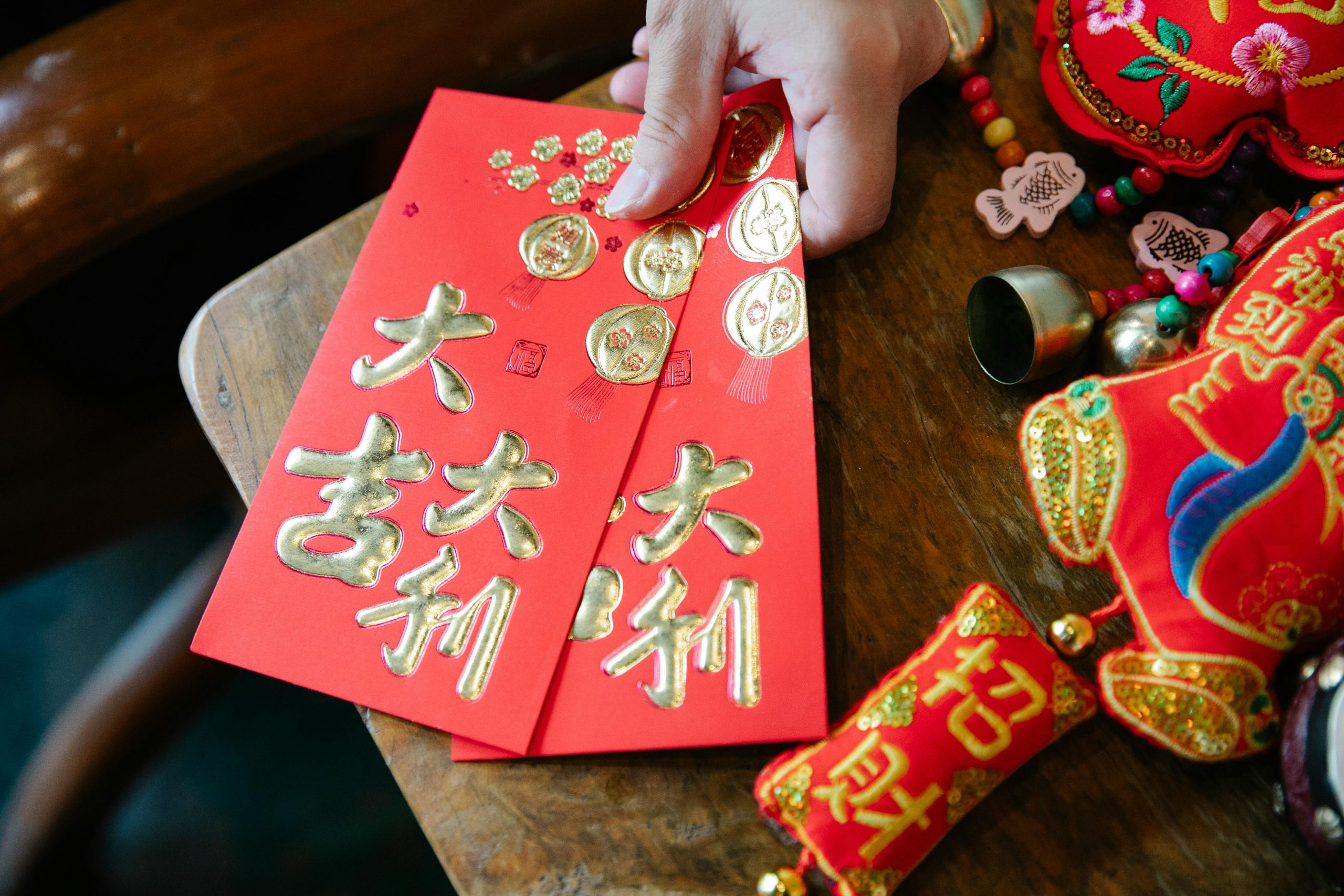
It symbolises joy, prosperity, vitality and celebration. That’s why red dominates weddings, birthdays and, of course, Chinese New Year- from lanterns and couplets (red poetic banners placed at doorways) to angpow and decorations.
Interestingly, research shows that red symbolises happiness not just in Chinese culture, but also across Indian, Malay and other communities.
In some European cultures, the colour ’red’ indicates violence and anger. In Asian societies – especially within the Indian community – it expresses purity and happiness.
In Sarawak, we do not write people’s name in red, and never wear red to a funeral.
White and black, on the other hand, are traditionally associated with mourning. Some older generations still dislike wearing all-black outfits during Chinese New Year, as it resembles funeral attire.
Today, white wedding gowns are common, black outfits are fashionable, and cultural meanings have softened. Wearing red head-to-toe during Chinese New Year nowadays would be be more of a fashion disaster than a pantang.
2. Lucky Numbers — and Unlucky Ones
In many parts of Asia, buildings omit the 4th floor from their numbering.The reason comes down to linguistics: 4 (四, sì) is the same sound as death (死) in Chinese. Similarly, some Western buildings skip the 13th floor, and certain airlines avoid row 13, as 13 is traditionally considered unlucky in Western cultures.
On the lucky side:
• 8 (八, bā) sounds like fa (发), meaning prosperity
• 9 (九, jiǔ) symbolises longevity
• 168 is often read as “一路发” – continuous wealth
That’s why car plates with 8s can sell for astonishing prices.
Taylor Swift famously loves the number 13, calling it her lucky number. She has successfully rebranded her lucky 13 and featured it repeatedly in her work, including her latest Opalite music video!
Numbers only have power if you let them. So if you’re visiting a house numbered 4 during CNY – relax. No bad luck will chase you home. If you receive angpow with RM4, RM40, RM400 (which are really rare) – just keep it!
3. Sweeping the Floor & Washing Hair – Are You “Sweeping Away Luck”?
Traditionally, sweeping the floor on the first day of Chinese New Year is discouraged, as it is believed to symbolically sweep away the good fortune that arrives with the new year.
In reality, however, garbage trucks don’t operate during festive days – which makes cleaning before the new year (or slightly after) simply practical.
Another common pantang discourages washing or cutting hair and nails, based on wordplay that suggests you might “wash or cut away wealth”. Well, salons often close for days – sometimes even weeks during Chinese New Year.
And let’s be honest: Malaysia is hot, and hygiene matters. A bit of common sense goes a long way. It would be far more unlucky to fall sick and end up seeing a doctor or taking medication during Chinese New Year.
The Wisdom Behind the Pantang
Nevertheless, Some taboos still carry wisdom – speak kindly, avoid conflict, don’t break things, clear old debts, and start the year with good intentions. Those values never go out of season. In today’s society, where cultures blend naturally and traditions evolve quietly, it’s perfectly fine to loosen the rules. Respect the past, but live fully in the present.
Celebrate comfortably, eat well, laugh loudly – and welcome the Year of the Horse with a clear heart and an open mind. Happy Chinese New Year. 🧧🐎