By Ng Ai Fern
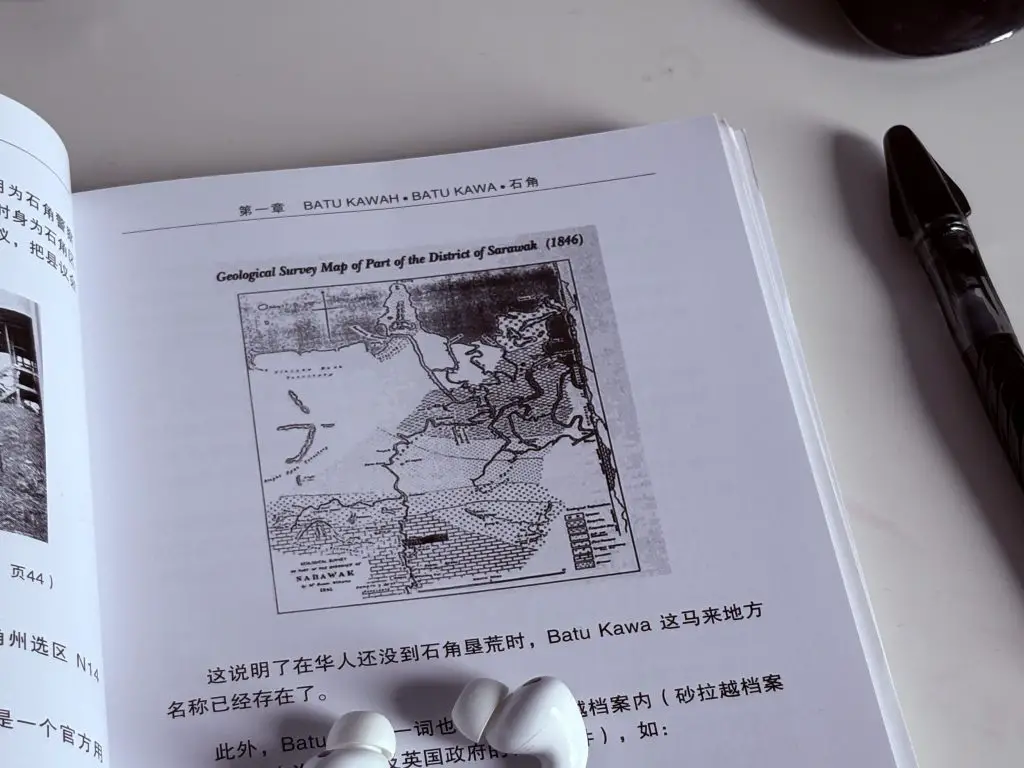
Do you know how Batu Kawa got its name? Located west of Kuching along the Sarawak River, Batu Kawa is today a major suburban township. The name comes from two Malay words: batu, meaning rock, and kawah, a wok traditionally used for cooking rice. According to local folklore, the name is believed to refer to a pot-shaped rock formation along the Sarawak River, whose shape resembles a kawah.
While Batu Kawa got its name from Malay words, the names of many Chinese villages in Batu Kawa are rooted in Hakka dialects, one of the most widely spoken Chinese dialects in southern Sarawak.
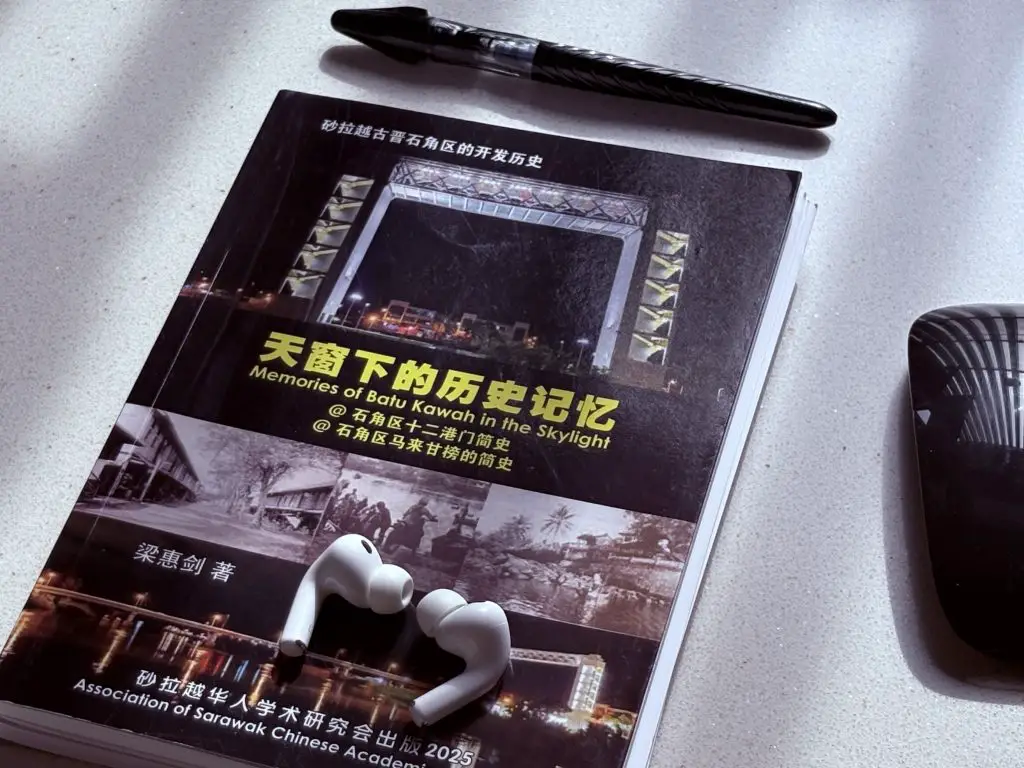
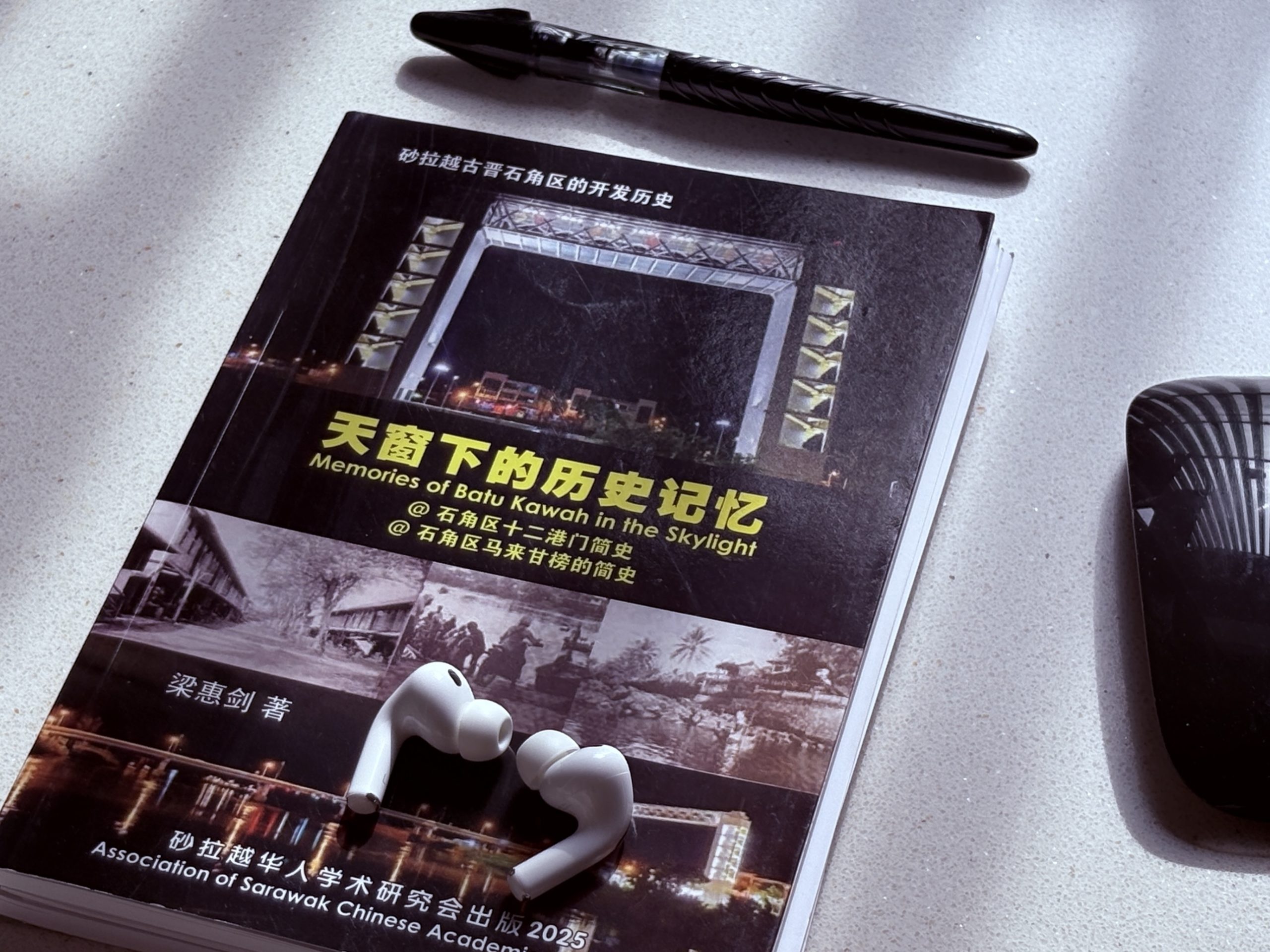
According to the book “Memories of Batu Kawah in the Skylight” by Neo Hui Kiam, there are 12 riverside Chinese (Hakka) villages, which locals call “Gang Men”. In Hakka, “Gang Men” means door of the river (river mouth), referring to the early port settlement of the Hakka communities.
Many of these village names, derived from Hakka, are still used today on official maps. Here are three interesting villages for which you would need to know Hakka to understand the legends and stories behind their names.
1. Ha Toi Tel (下梯头)
Among the Hakka community, the old Batu Kawa bazaar was traditionally known as Ha Toi Tel (also spelt Ha Toi Teh), meaning “lower staircase,” a reference to the wooden steps leading down to the river jetty.
With river transport being the main mode of travel in the past, Hakka migrants who arrived from China in the early 19th century and settled in the Batu Kawa area mainly lived near river mouths and along tributaries of the Sarawak River. Their primary economic activities were rubber and pepper cultivation.
To bring their produce to market, villagers travelled by boat to Ha Toi Tel, which served as the central trading area. Goods were unloaded at the jetty via the lower wooden staircase that gave the place its name.
In 1927, a massive fire destroyed the wooden shops at Ha Toi Tel. New shophouses were later rebuilt a short distance away, in what is now known as Batu Kawa Old Bazaar. This rebuilt area eventually became the official town centre.
2. Kim Choo Seng (金珠盛)
Kim Choo Seng (also spelled Kim Chu Shin) is located near MJC on the way to Matang.
Today, it is largely residential with new housing developments, but in the past, it was a vast pepper plantation.
In Hakka, “Kim” means gold, “Choo” means pearl, and “Seng” means many or prosperity. When put together, it means “golden pearls prosperity”. One explanation is that the name refers to ripe golden peppercorns, which resemble pearls.
Another version of the name’s origin comes from a romantic legend.
According to the story, a heavenly maiden called Fong Xian descended to earth and was captivated by the beauty of Mount Matang. She lingered too long and missed her chance to return to heaven. She wandered around the mountain and eventually met a young man. Like many legends, they fell in love and settled at the foot of the mountain.
It is said that Fong Xian helped locals cure illnesses and even stopped a devastating disaster by sacrificing her own blood. When the Jade Emperor discovered that his daughter was living in Matang, he sent armed troops to bring her back. During the battle, Fong Xian threw golden pearls at the army. These pearls fell at Kim Choo Seng. The whereabouts of the pearls are still unknown, but the place is now called Kim Choo Seng.
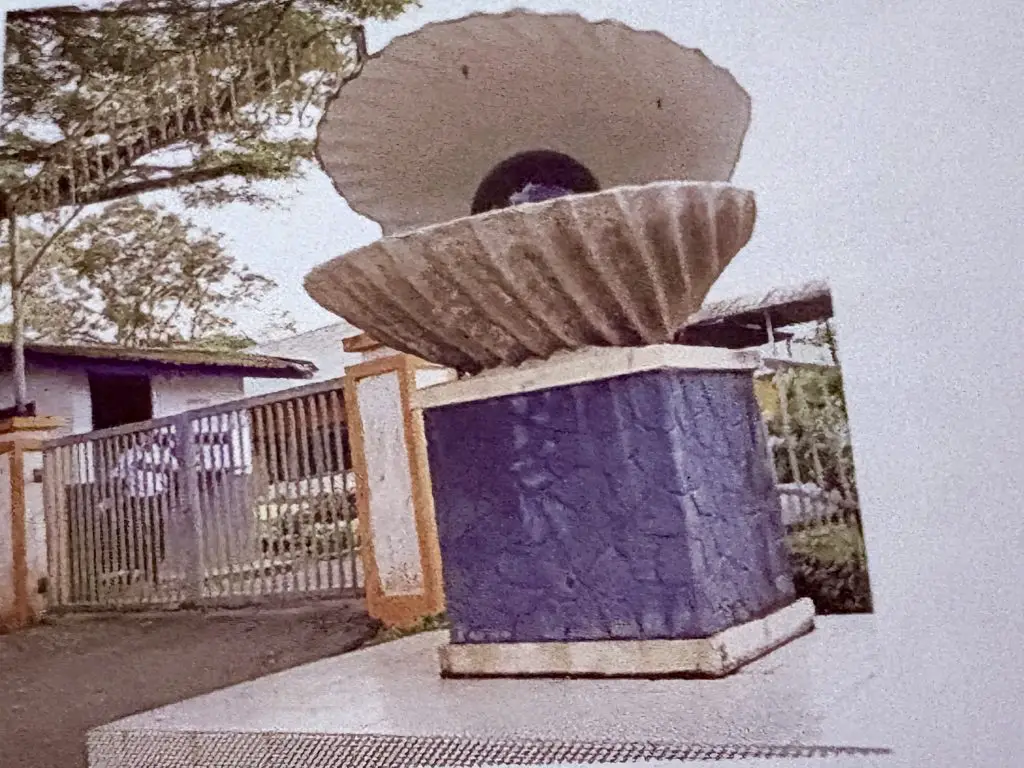
Today, a pearl sculpture stands at SJK CH Kim Choo Seng as the school’s mascot, built in 2020 in conjunction with its 75th anniversary.
3. Sin San Tu (新山肚)
This village name is particularly Hakka-specific. Even Chinese speakers from other dialect groups might not easily guess its meaning.
Sin San Tu literally means “inside the belly of a new mountain”. Unlike most villages in Batu Kawa, Sin San Tu is not located along a major river tributary but on elevated land. Villagers had to rely on bicycles to transport goods to Batu Kawa town, both to sell produce and to buy daily necessities.
When early settlers developed the area for rubber plantations, they referred to it as a “new farm” — Sin San in Hakka. “Tu” means inside, or figuratively, inside the stomach. Together, the name refers to a large new plantation located deep inland.
There are other villages with equally intriguing names. Ha Sha Long (下沙拢) means “lower sand ridge” in Hakka, named after sandy ridges left behind by floods. Loti Kong (罗知港) is a transliteration from Hakka which some believe refers to Tudi Gong (the Earth God), though the origin of the name remains debated. As noted in Neo’s book published by the Association of Sarawak Chinese Academic Research, Loti Kong is the only Chinese village in Batu Kawa whose name origin remains unknown.