KUCHING, Sarawak: The Ulu Sungai Menyang Special Conservation Area in Batang Ai landscape is emerging as a conservation success story, showing encouraging signs of a growing orangutan population.
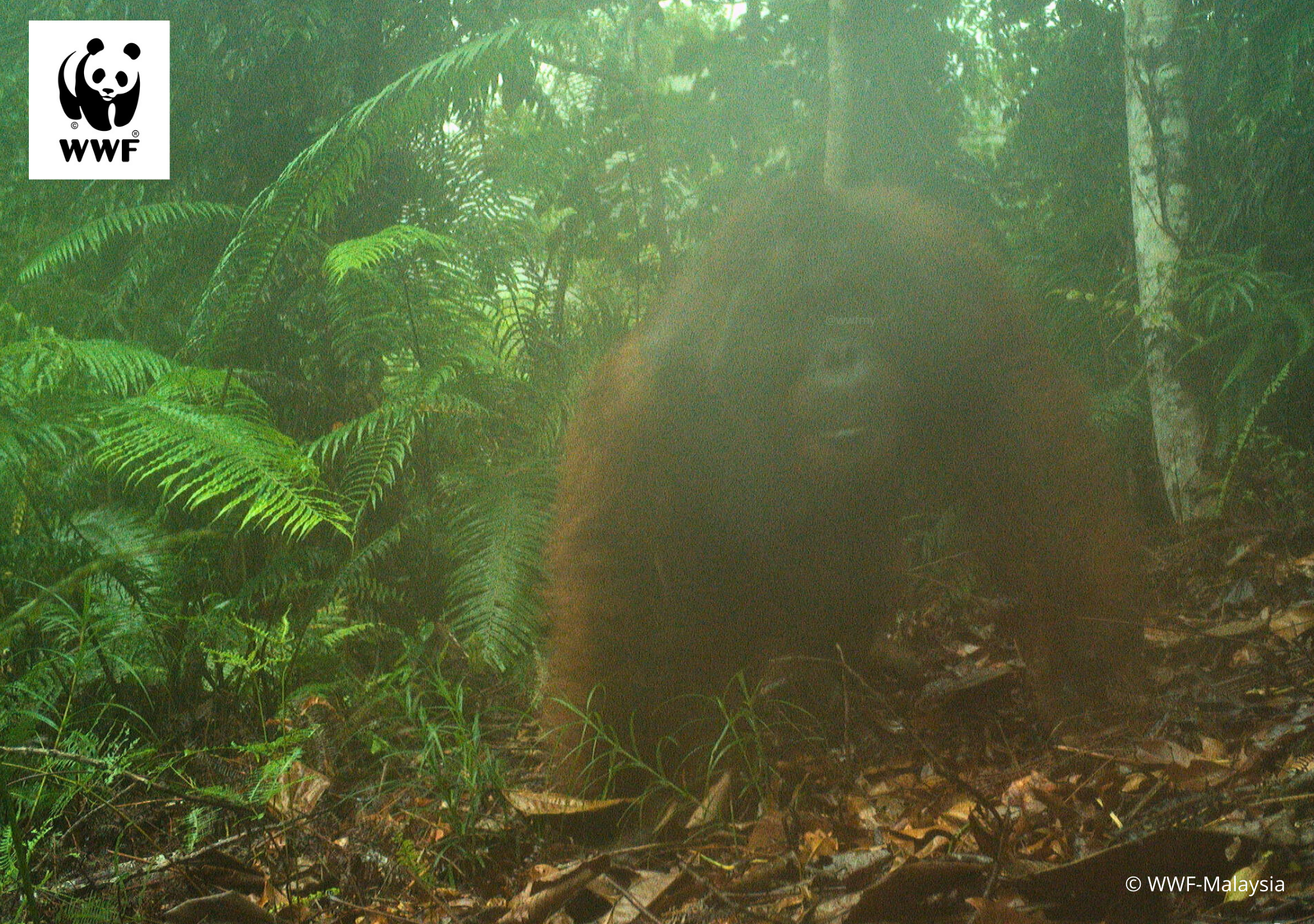
Surveys conducted by WWF-Malaysia in Sarawak between 2024 and 2025 estimated 167 orangutans in the Ulu Sungai Menyang (USM) area, adjacent to Batang Ai National Park, up from an estimated 115 recorded by other conservation agencies and NGOs a decade earlier.
This represents an important conservation win for Sarawak. Over the years, government agencies, the private sector and non-governmental organisations have worked together to conserve and manage orangutan habitat in USM, which lies outside the existing protected area network.
As the state moves towards progress and sustainable development, WWF-Malaysia Head of Conservation for Sarawak Cynthia Chin said there is now a pressing need to integrate green infrastructure into road development to ensure progress does not come at the expense of forests and wildlife.
“As Sarawak continues to improve connectivity for rural communities and support economic growth, it is important that infrastructure planning also considers the needs of wildlife and the forests they depend on.”
“In some cases, roads may pass through or near important wildlife habitats, making it essential to incorporate measures that minimise environmental impacts,” said Chin in a joint media release issued together with Sri Aman Development Agency (SADA) and Ulu Ai Conservancy (UAC) in conjunction with International Orangutan Day on 19 August.
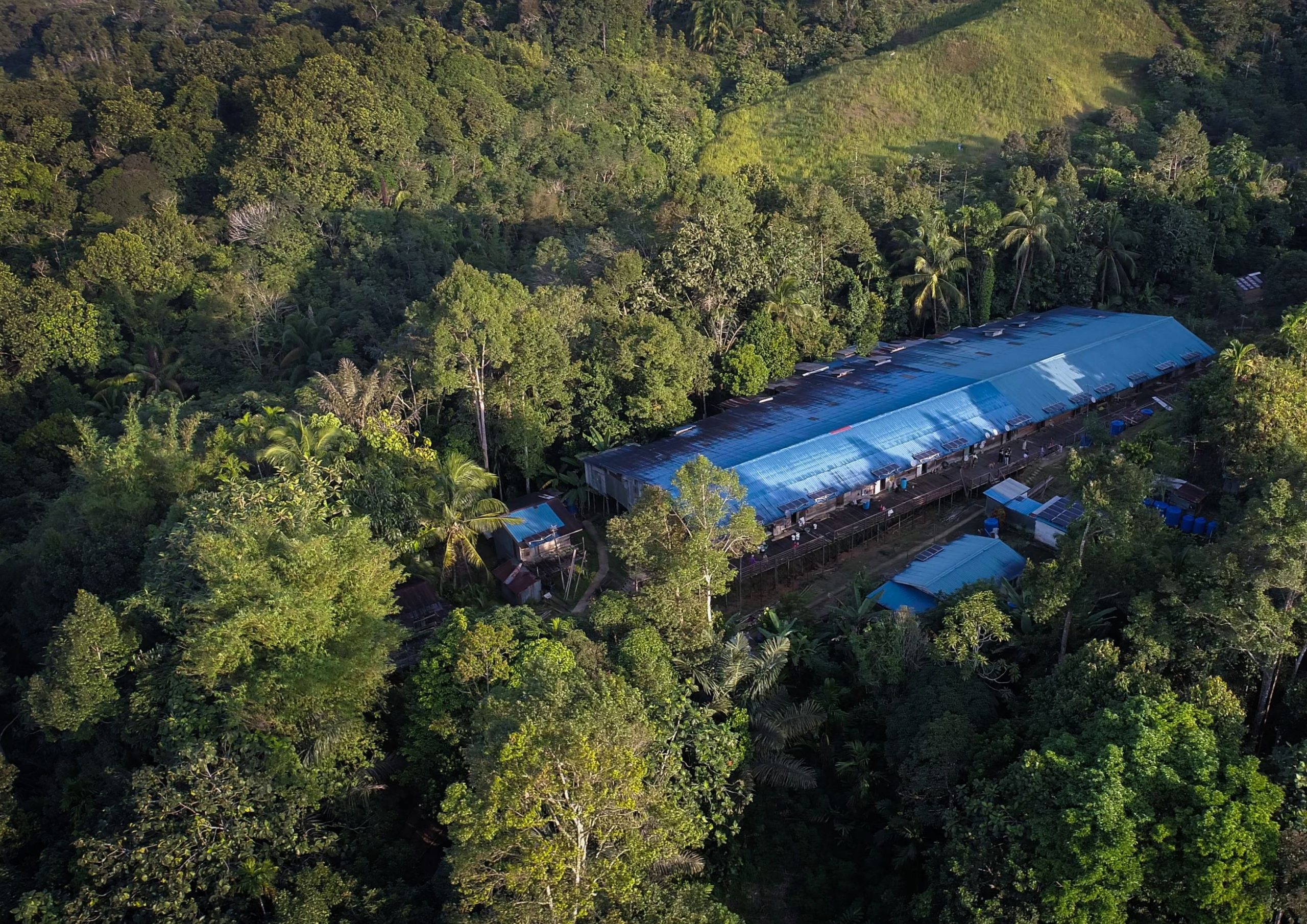
One example where a green infrastructure approach can be applied is the proposed road within USM which provides important connectivity for the rural community to basic services such as healthcare and education.
However, being adjacent to Batang Ai National Park, USM is also a valuable orangutan habitat that is not totally protected and subject to multiple land uses.
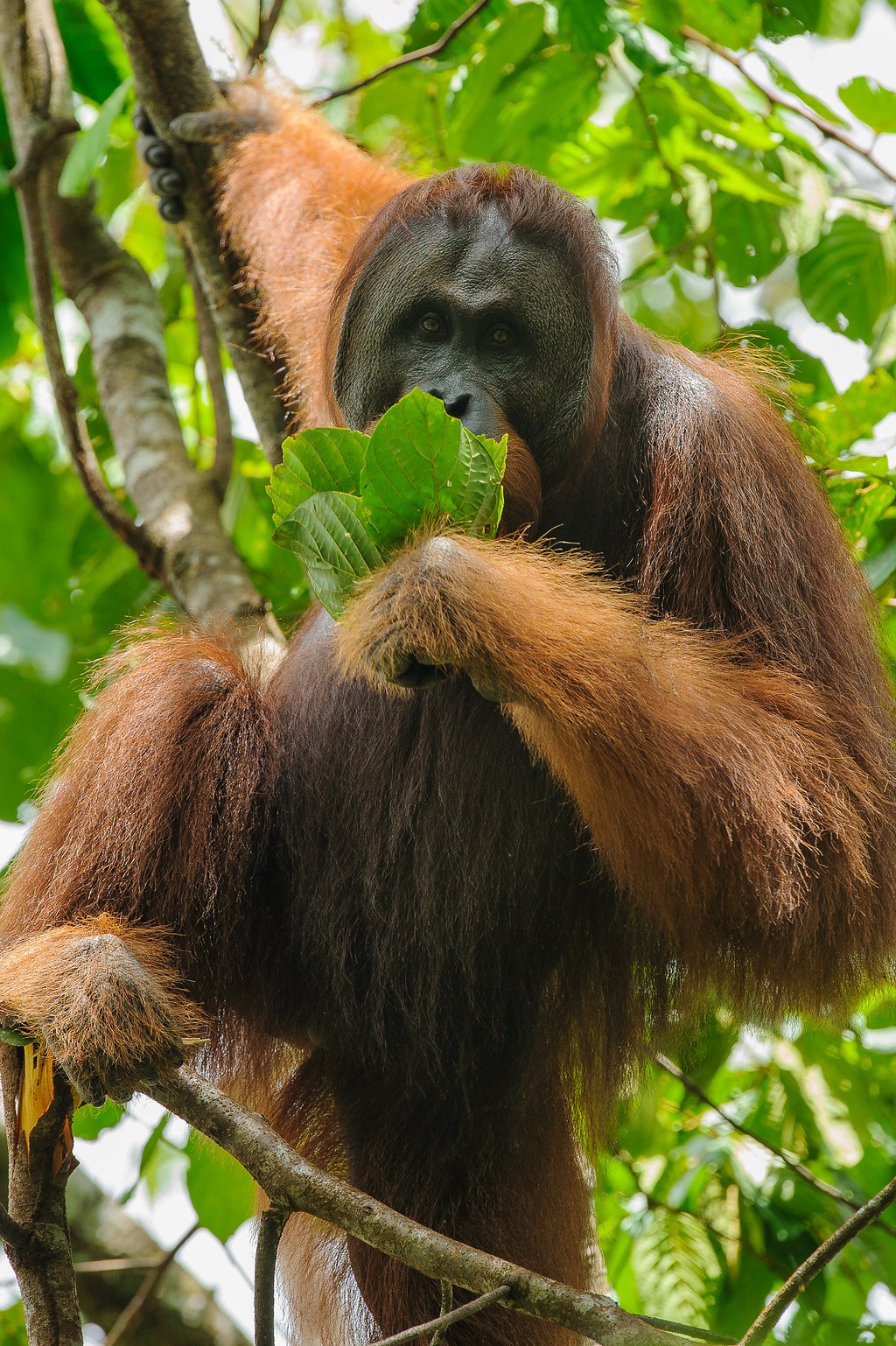
Sarawak has an estimated 2,000 Bornean orangutans of the Pongo pygmaeus pygmaeus sub-species, of which around 350 individuals are found in Batang Ai National Park.
SADA Chairperson Dato Sri Hajah Rohani Abdul Karim said the orangutan is an iconic species for Sarawak, drawing tourists to Sri Aman Division to see orangutans in the wild at Batang Ai National Park and USM, while also experiencing Iban cultural heritage and life in traditional longhouses.
Rohani, who is also Advisor at the Sarawak Premier’s Office (Monitoring of Rural Projects and Programmes), said SADA is committed to working with government agencies involved in road development and biodiversity conservation, as well as non-governmental organisations, to ensure development plans for the USM landscape and the wider Sri Aman Division are sustainable and aligned with the government’s conservation goals.
“SADA’s mission is to drive the socio-economic development and wellbeing in Sri Aman Division. This involves implementing sustainable development initiatives that directly elevate community living standards and local household income,” she said, adding that their efforts are aligned with the Sarawak Post COVID-19 Development Strategy 2030.
According to Philip Yong of Borneo Adventure, a pioneer in tourism in Batang Ai since 1987, “Borneo Adventure contributes significantly to Batang Ai’s socio-economic development through tourism. Each year about 2,000 people visit the area and this regularly contributes around RM1 million to the local economies.”
Chin believed that conservation and development do not have to be competing priorities. Through better planning, design and implementation, roads can be developed in ways that meet connectivity and economic objectives while minimising environmental risks.
“Green infrastructure incorporates nature-sensitive approaches into infrastructure planning and design, helping to reduce impacts such as habitat fragmentation, wildlife mortality e.g. road kills, erosion, slope instability and sedimentation,” she said, adding that by taking environmental considerations into account from the earliest planning stages of infrastructure projects, both people and nature could benefit.
Yong, who is also the founder of UAC, added that the International Orangutan Day is an important reminder that protecting orangutans means protecting the forests and landscapes that sustain them and benefiting the local people who live with them.
“As Sarawak continues to invest in infrastructure and connectivity, we have an opportunity to demonstrate that development can be both economically beneficial and environmentally responsible.”
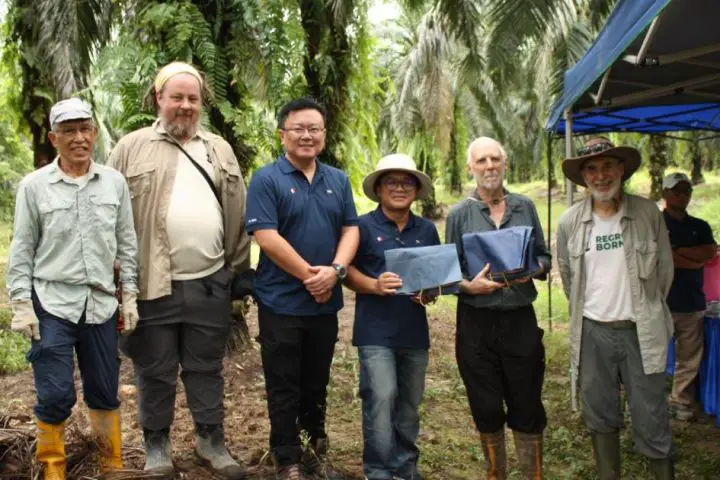
Borneo Adventure, UAC and WWF-Malaysia are working together with Ulu Ai Kanan communities in USM to promote the wise use of the landscape which will benefit the people and nature.
Funded by the German Federal Ministry for Economic Cooperation and Development (BMZ), the project focuses on strengthening orangutan conservation by connecting protected areas, improving livelihoods and empowering the indigenous Ulu Ai Kanan communities to sustainably co-manage their land. Besides SADA, the project also involves active engagement with the Sarawak Forestry Corporation, Forest Department Sarawak, Sri Aman Resident’s Office, Lubok Antu District Office, Malaysian Pepper Board and Public Works Department Sarawak, Department of Agriculture Sarawak, Wildlife Conservation Society and Borneo Adventure.