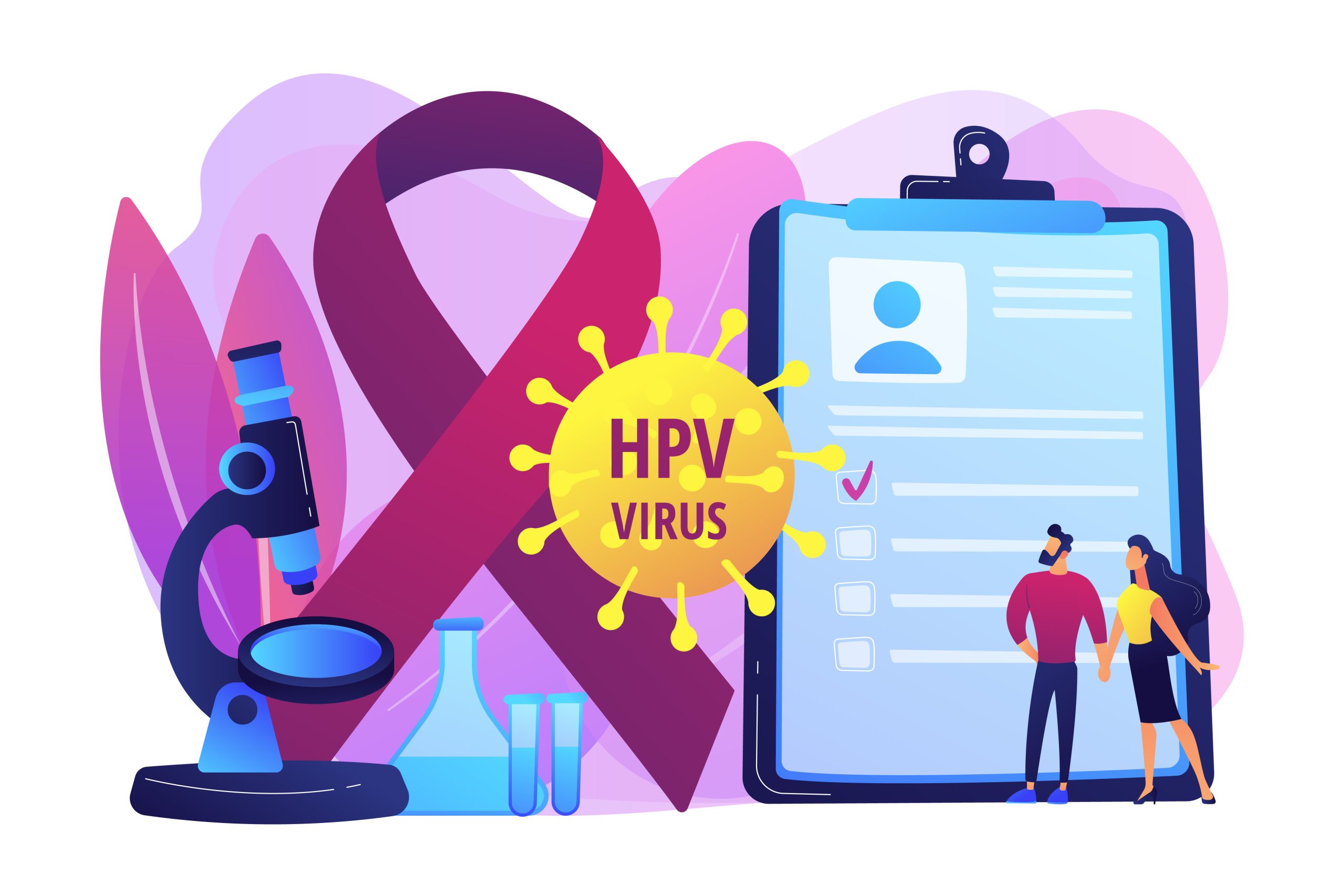
Malaysia’s cervical cancer screening strategy has evolved significantly in recent years. In 2023, the Ministry of Health introduced updated national guidelines positioning human papillomavirus (HPV) DNA testing as the primary screening method, gradually replacing the Pap smear as the first-line approach to enable earlier detection of cervical cancer risk.
This shift forms part of Malaysia’s Action Plan Towards the Elimination of Cervical Cancer (2021–2030), which aligns with the World Health Organisation’s global 90-70-90 targets: vaccinating 90% of girls by age 15, screening 70% of women at key ages, and ensuring 90% of those with cervical disease receive appropriate treatment.
In 2025, implementation in Malaysia was further reinforced through government-backed programmes, including subsidised HPV DNA screening for women aged 30 to 65 under Budget 2025, delivered through LPPKN clinics and nationwide outreach initiatives.
National screening data also reflects the scale of this transition. More than 160,000 women have undergone HPV DNA testing, with over 10,500 testing positive, underscoring both how common HPV exposure is and why proper follow-up care matters.
In this Q&A, Dr Hoo Mei Lin, Consultant Obstetrician and Gynaecologist, addresses common misconceptions, explains what an HPV-positive result means, and outlines what women in Malaysia can realistically expect after screening.
This interview was facilitated by BREGO Life Sciences as part of an ongoing public education initiative on HPV screening and follow-up pathways. The doctor’s responses are provided independently and are intended for general educational purposes.
Q1. How is human papillomavirus (HPV) transmitted, how common is it, and does it usually cause symptoms?
Dr Hoo: HPV is most commonly transmitted through intimate or sexual skin-to-skin contact, including vaginal, oral or anal contact. Even close genital contact, not necessarily intercourse, can transmit the virus.
HPV is extremely common. It is estimated that up to 80% of sexually active people, even those who have only had sex once in their lives, will be exposed to HPV at some point. Most people are exposed soon after becoming sexually active.
Most HPV infections do not cause symptoms. The reassuring news is that in many cases, the immune system clears the infection naturally.
Q2. When someone receives an HPV-positive result, what does it mean medically? Does it mean she has cancer or precancer?
Dr Hoo: There are more than 200 types of HPV, and only about 14 are considered high-risk because they have been linked to cancer.
A positive HPV result does not mean a woman has cancer or precancer. It simply means the virus has been detected and that closer follow-up may be needed. In other words, it is a signal for increased vigilance, not a diagnosis of cancer.
Q3. Does testing HPV-positive affect a woman’s chances of getting pregnant or having a healthy pregnancy?
Dr Hoo: Testing HPV-positive does not affect fertility or a woman’s ability to have a healthy pregnancy.
However, if a woman has undergone treatment for high-grade cervical lesions, such as a large loop excision or cone biopsy, this can theoretically shorten the cervix. She should inform her obstetrician about any previous cervical procedures, as a shortened cervix may increase the risk of premature delivery and may require monitoring during pregnancy.
Q4. How can a woman improve her chances of clearing HPV?
Dr Hoo: In 70% to 90% of women, the immune system clears HPV naturally. There is no specific medication that removes the virus, but supporting overall immune health can help the body deal with it more effectively.
Simple lifestyle changes can make a meaningful difference. These include stopping smoking, eating a balanced diet with plenty of fruits and vegetables, getting enough sleep, staying physically active, and managing stress.
Using condoms may also help reduce repeated exposure to the virus. Women who have not yet been vaccinated should also consider HPV vaccination, as it can protect against other HPV types and may help reduce the risk of reinfection after the virus has cleared.
Some supportive therapies, such as Papilocare®, have also been developed to help restore the cervical environment while the body responds to the virus. This vaginal gel is not a treatment for HPV itself, but is designed to support the body’s natural ability to clear the virus while helping the cervical lining recover. Studies have shown promising results.
Q5. While waiting for follow-up, are there any symptoms that should prompt earlier medical review?
Dr Hoo: Yes. Women should seek earlier medical attention if they experience unusual bleeding patterns, especially bleeding after sex, bleeding between periods, pain, or unusual vaginal discharge.
These symptoms do not necessarily mean cancer, but they should still be assessed by a doctor.
Q6. If someone has been vaccinated against HPV, including those who received it as adolescents, do they still need regular cervical screening later in life?
Dr Hoo: Yes. HPV vaccination does not replace the need for regular cervical screening.
The 9-valent HPV vaccine protects against seven high-risk strains and two low-risk strains that cause genital warts, but it does not cover every HPV type associated with cervical changes. There is still a possibility of exposure to other strains.
In addition, some women may only have been vaccinated after becoming sexually active, which means they may already have been exposed to HPV before vaccination. HPV can also remain suppressed or latent and reappear later when immunity is lower, which is why regular screening remains important.
Q7. If a woman is already HPV-positive, is vaccination still relevant or beneficial? Should both men and women receive vaccinations?
Dr Hoo: Yes to both.
Vaccination can still be beneficial even if someone is already HPV-positive, because people are rarely infected with all HPV strains. The vaccine can still protect against other high-risk types.
The 9-valent HPV vaccine protects against nine HPV types that together are linked to approximately 90% of cervical cancers, 90% of anal cancers, 90% of HPV-related throat cancer (oropharyngeal cancers), 90% of genital warts, and around 80% to 90% of vaginal and vulvar cancers.
HPV is not only a women’s issue. It is a human issue. Vaccinating both men and women helps reduce overall transmission in the population.
Q8. What is one common misconception about HPV you wish more people understood?
Dr Hoo: One of the biggest misconceptions is that HPV means someone has been unfaithful, or that it only affects people with multiple sexual partners. That is not true.
HPV is an extremely common virus and can remain silent or inactive in the body for many years, sometimes even decades, before it becomes detectable through screening.
A positive HPV result should be understood as a common medical finding associated with normal human intimacy. It simply means the doctor may need to monitor more closely.
It is also important to understand that having HPV does not mean a woman is going to develop cancer. It is persistent HPV infection that may lead to abnormal cell changes, and those changes may, over time, progress to cancer. Even then, this process usually happens gradually over many years, which is why regular screening is so effective. It allows doctors to detect and treat precancerous changes long before cancer develops.
Q9. Malaysia is moving toward HPV DNA testing as the primary cervical screening method. Why is this shift important, and does it mean Pap smears are no longer needed?
Dr Hoo: HPV testing looks for the virus that can cause cervical cancer, while a Pap smear looks for changes in cervical cells that may occur after the virus has been present for some time.
If an HPV test is negative, the risk of cervical cancer is very low, which means screening can be done less frequently. If an HPV test is positive, a Pap smear or liquid-based cytology may still be used to examine the cervical cells more closely and determine whether further assessment is needed.
In other words, HPV testing helps identify who is at risk, while Pap smears still play an important role when doctors need to look more closely at cellular changes. So no, Pap smears are not obsolete, but their role is becoming more targeted within the follow-up pathway.
About the Expert: Dr Hoo Mei Lin
Dr Hoo Mei Lin is a Consultant Obstetrician and Gynaecologist with a special interest in reproductive medicine and fertility. With more than two decades of clinical experience in women’s health, she is committed to providing comprehensive, evidence-based care for women at every stage of life.