By Ng Ai Fern
When Chinese migrants settled in Borneo hundreds of years ago, they brought with them more than culture and food. They also carried traditions passed down through generations. One of these is Winter Solstice, a festival still observed by Chinese communities worldwide, including in Borneo.
Yes, Chinese communities in Borneo still celebrate Winter Solstice – the first day of winter – even though there is no winter here in Borneo.
Here are three Winter Solstice beliefs and taboos that many families in Borneo still observe today.
- A New Year – You Become One Year Older
Winter Solstice is known as Dongzhi (冬至), which literally means ‘winter has arrived’.
This day marks the shortest day and longest night of the year. It is traditionally seen as the completion of one cycle and the beginning of another. It is usually celebrated a few days before Christmas. It falls on 21 December in 2025.
Technically speaking the solstice is a specific astronomical moment, rather than a full day, as explained by the BBC. This moment has long been important to astronomers and, in the past, guided agricultural activities by signalling seasonal change.
In Chinese tradition, Dongzhi was once considered the start of the new year. This belief explains why people were traditionally said to become “one year older” after Dongzhi, rather than on their birthday.
- Family Reunion at Dongzhi
Like other major Chinese festivals, Winter Solstice is a day for family reunion. Traditionally, it is believed to be inauspicious to spend this day alone.
Even today, Chinese families across the world, from Borneo to France, Australia, Singapore, or China, often gather for a simple meal together.
Dongzhi is not an official public holiday in Sarawak or anywhere in Malaysia. It is also not listed as a paid holiday by the Sarawak Chinese Chamber of Commerce.
Nevertheless, many still make time to leave work earlier and return home to celebrate with family.
- You Must Eat Glutinous Rice Dumplings (Tang Yuan)
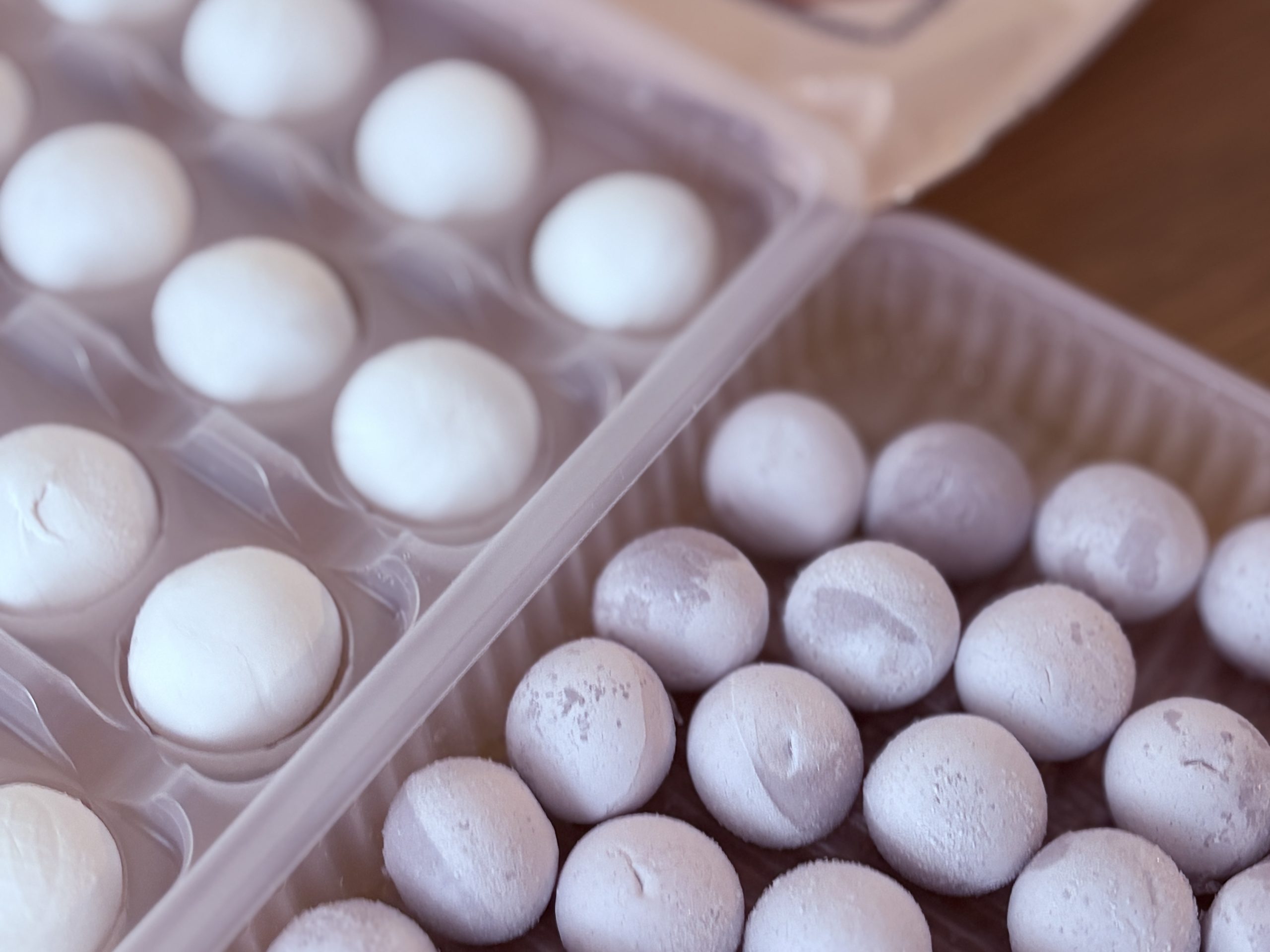
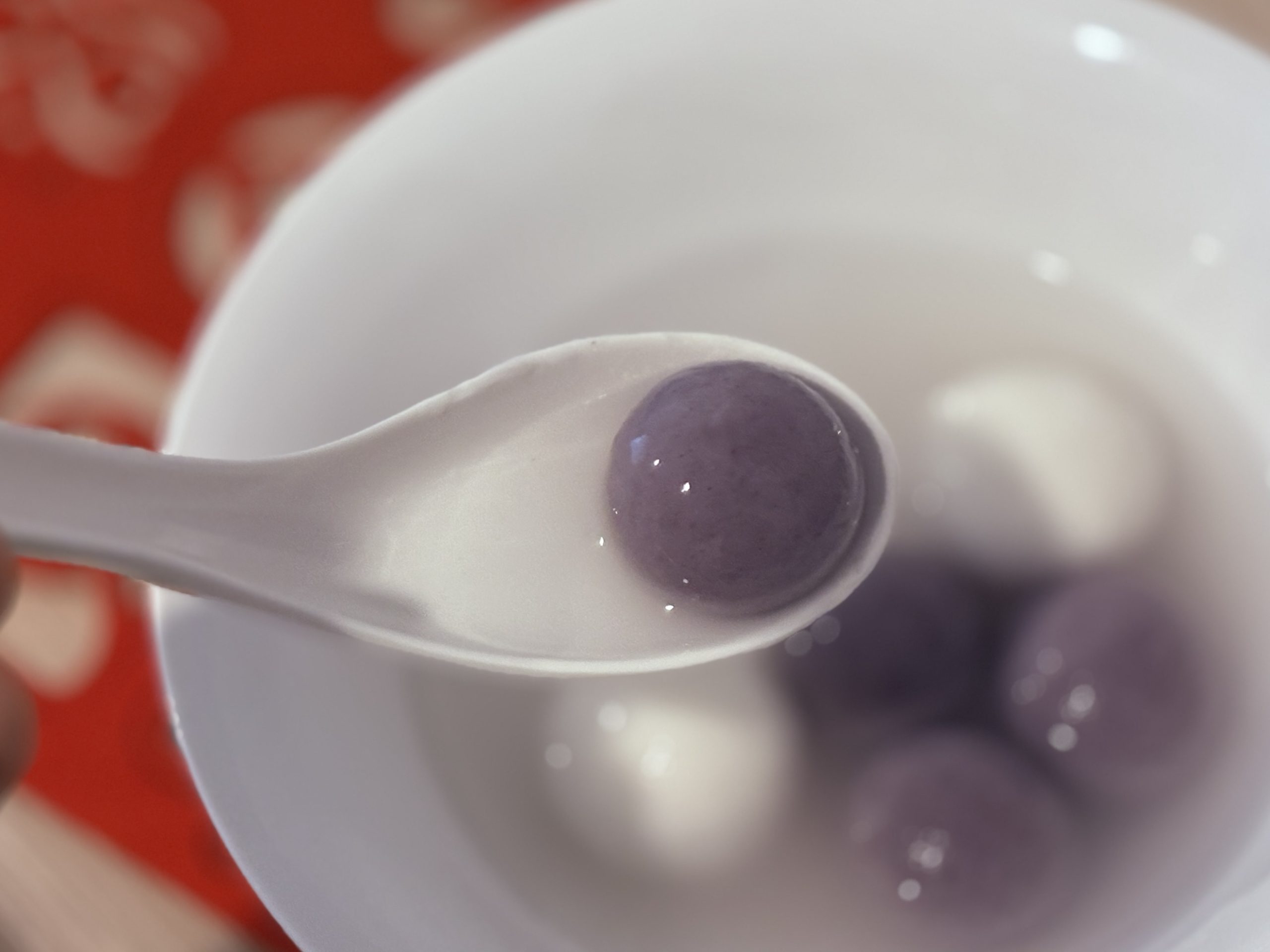
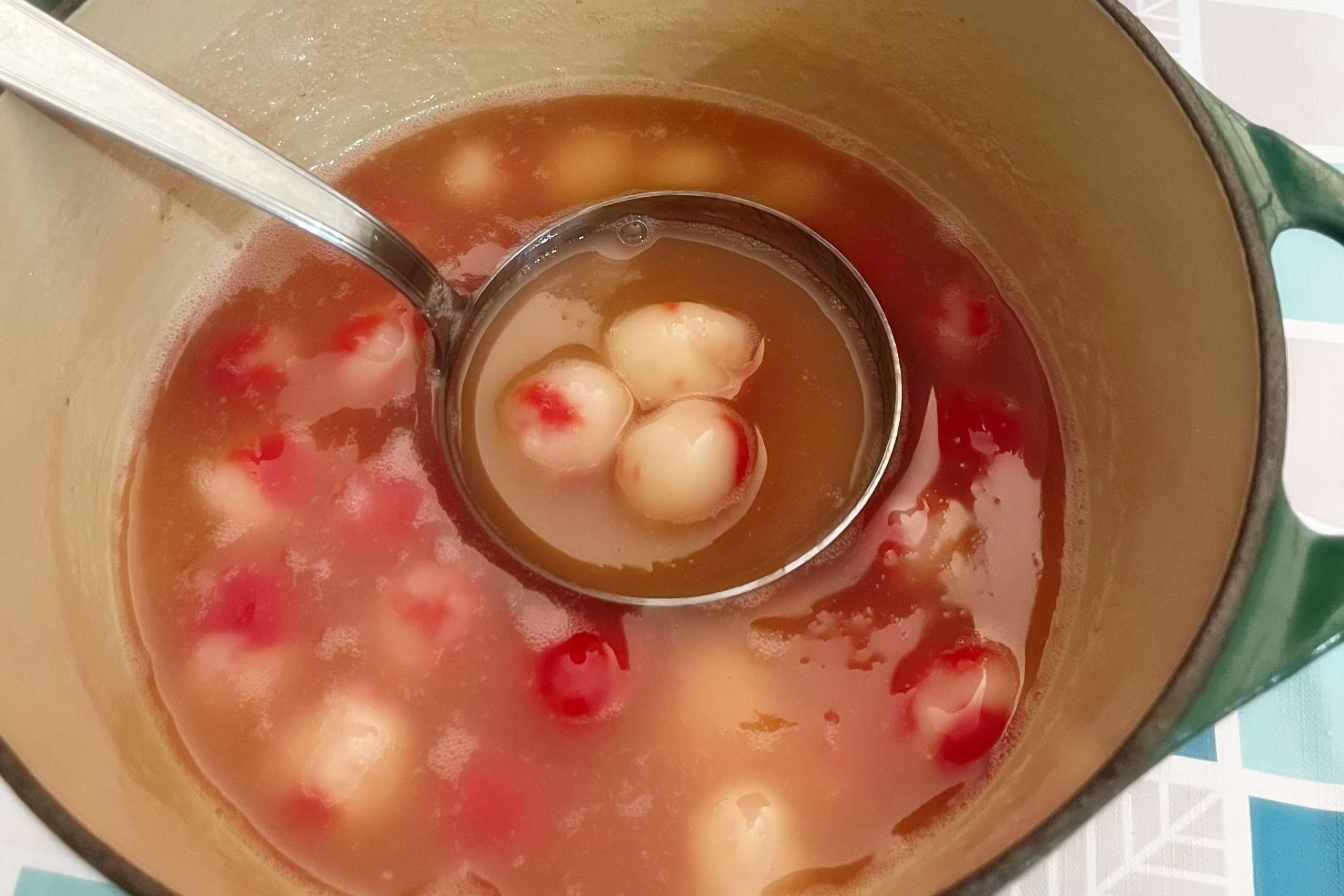
Winter Solstice is incomplete without tang yuan. These round Glutinous Rice Dumplings symbolise completeness, unity and harmony.
In some families, skipping tang yuan is believed to mean you have not “grown older” yet. In others, it is simply bad luck. Either way, the bowl of dumplings still appears, even in Borneo’s tropical heat.
Today, we can buy frozen ready-made tang yuan, or use ready-mixed flour to roll them by hand at home – a great family activity with young children. The dumplings are cooked in light sweet syrup, often flavoured with pandan leaf, and a slice of ginger.
Only after eating tang yuan, you’re considered one year older. But why? Ask the elders, they would probably tell you: it’s tradition!