Browse Tag

lifestyle - Page 8

Your ultimate guide to Malaysian nasi goreng

Nasi goreng, which literally translates to “fried rice” in Malay, has ignited a few cross-country fights over the past few years.

The most famous incident was when former England footballer Rio Ferdinand twitted “Nasi goreng lunch… Keeping it local in Singapore.”

Indonesians were quick to correct Ferdinand saying nasi goreng is not from Singapore, but Indonesia.

Meanwhile, some Malaysians jumped into the squabble, slamming Indonesians for wanting to claim every dish in the region including rendang.

However, do you know that chao fan or fried rice in Mandarin has been served in China since 4,000 BC?

Perhaps now China can stop claiming the South China Sea and stake their claim on nasi goreng instead?

Regardless of who owns nasi goreng, a visit to any Southeast Asian country especially Indonesia, Malaysia and Singapore would not be complete without tasting this dish.

In Malaysia, there are plenty of nasi goreng variations served in different parts of the country.

Some of these variations cannot be found in its neighbouring countries.

So here is your complete guide to Malaysian nasi goreng:

1.Nasi Goreng Ayam/Udang/Kambing/Daging

If you see this on the menu, you just need to choose your type of protein.
This fried rice is cooked with chicken (ayam), udang (prawn), kambing (mutton) and daging (beef).

2.Nasi Goreng Special

Nasi goreng special is usually an in-house specialty. However, most often they just add a sunny side up egg with a piece of fried chicken on top of your nasi goreng.

3.Nasi Goreng Tom Yam

This Malaysian nasi goreng has a Thai inspiration.
It is cooked with tom yam paste, lime, sometimes with a bit of lemongrass and fish sauce.

Watch how to make it here.

4.Nasi Goreng Pattaya

This Malaysian nasi goreng might sound like it comes from Thailand but it is believed to originate from Malaysia.
It is made by wrapping chicken fried rice in a thin fried omelette, almost similar to Japanese omurice. Nasi goreng Pattaya is often served with chili sauce, tomato ketchup and slices of cucumber.

Watch how to make it here.

5.Nasi Goreng Hailam

Hailam refers to a Chinese cooking style which usually uses watery soy sauce.
Hence if it is Nasi Goreng Hailam, it is fried rice served in vegetables, chicken or prawn cooked in Hailam-style.

6.Nasi Goreng Kerabu

Nasi Goreng Kerabu is a fried rice dish serve with ginger flower (bunga kantan), curry leaves and fried anchovies.
It is inspired by Kelantanese famous dish nasi kerabu, a blue-coloured rice served with dried fish or fried chicken, pickles and keropok.

Watch how to make it here.

7.Nasi Goreng Cina

The irony of nasi goreng cina (Chinese) in Malaysia it is usually can be found in Malay restaurants instead of Chinese restaurants.
There are plenty of nasi goreng cina variations out there but they all have one thing in common, sesame oil.

Watch how to make it here.

8.Nasi Goreng Kampung

If you love fried anchovies and kangkung (water spinach) then you will love this dish.
A nasi goreng kampung is not nasi goreng kampung without fried anchovies and kangkung.

Watch how to make it here.

9.Nasi Goreng Yong chow
Your ultimate guide to Malaysian nasi goreng
Yong chow fried rice.

This dish can be found mainly in Chinese restaurants.
It is fried rice cooked with char siu pork or lap cheong (Chinese sausage), scallion and vegetables such as long beans, carrots and green peas.

10.Nasi Goreng Belacan

Nasi goreng belacan is rice fried with shrimp paste (belacan), fish or chicken and long beans.

Watch how to make it here.

11.Nasi Goreng Ikan Masin

If you are into salty food then this is the Malaysian nasi goreng for you.
It is fried rice cooked with salted fish.

12.Nasi Goreng Mamak

Nasi goreng mamak is cooked in Indian-Muslim style. Nasi goreng mamak tends to be oilier than most Malaysian nasi goreng. Besides chilli paste, other main ingredients of this dish are dried tofu, fish cakes and curry powder Maggi’s instant noodle

13.Nasi Goreng DabaiYour ultimate guide to Malaysian nasi goreng

This is a Sarawak specialty of fried rice. It is rice fried with a seasonal native fruit called buah dabai (Canarium odontophylum).

14.Nasi Goreng USA

Again no, this Malaysian nasi goreng does not get any inspiration from the United States of America.
In fact, the acronym USA means udang (prawn), sotong (squid) and ayam (chicken).
Thus, this fried rice is served with prawn, squid and chicken.

15.Nasi Goreng Paprik

The key ingredient in nasi goreng paprik is the sauteed chili paste. With a bit tom-yum paste, this fried rice is a little bit on the spicy side.
This is another Malaysian nasi goreng inspired by its neighbour Thailand. The word paprik refers to Thai phrase pad prik where pad is stir-fry and prik means chilli.

What you need to know about Glycemic Index (GI)

When it comes to food, there are so many numbers that we have to take note of.

These include calorie count, fat content, sugar levels but there is one number that the casual dieter might not have heard of.

It is the glycemic index or GI. According to the Glycemic Index website (yes, there is a website dedicated to it updated and maintained by the University of Sydney’s GI group), GI is a ranking of carbohydrates on a scale from 0 to 100 according the extent to which they raise blood (glucose) levels after eating.

What you need to know about Glycemic Index (GI)

Rice is one of the foods with high GI number. Credit: Pixabay.

What is Glycemic Index (GI)

It is the incremental area under the blood glucose response curve of 50g of carbohydrate portion of a test food expressed as a percentage of the response to the same amount of carbohydrate from a standard or reference food taken by the same subject.

There are three groups of GI:  low (where food GI is below 55) moderate (56 to 69) and high (70 and above).

According to Recommended Nutrient Intakes for Malaysia (RNI) report, research on glycemic response of foods is still low. The argument is that the practical use of GI to assess one single food item is questionable.

This is because there are many other factors including carbohydrate content or even cooking method influencing the glycemic response of foods.

However, there are reports that reducing food intake with high GI can improve overall blood glucose control.

Should you take Glycemic Index into account?

Does it mean that having low GI foods are good for you? Not necessarily.

Some low GI foods may not be good because they have high fat content.

Conversely, some high GI foods maybe be good because it has high nutrient content. Thus, it is unnecessary to completely avoid all high GI foods.

In other countries, nevertheless, GI is advised to be used as part of the nutritional management for people with diabetes.

American Diabetes Association, Canadian Diabetes Association and Diabetes United Kingdom recommends people with type 1 and type 2 diabetes to take note of the glycemic index of food.

Moreover, one study found that a moderately high protein, low GI diet works best for longer-term weight management.

Generally, what experts agree now is that the use of GI is only a base for choosing carbohydrate-containing food.

As for Malaysians, our high GI foods are fried meehoon (99), fragrance rice (97), kuay teow (90), wholemeal bread (85), pineapple (82) and sardine sandwich (73).

Why you should bring vinegar when traveling

So you have bought your tickets, booked your hotels, packed your clothes and are all set for your much-awaited vacation.

However, there is one small thing that is most probably not on your packing list but could go a long way on your travels.

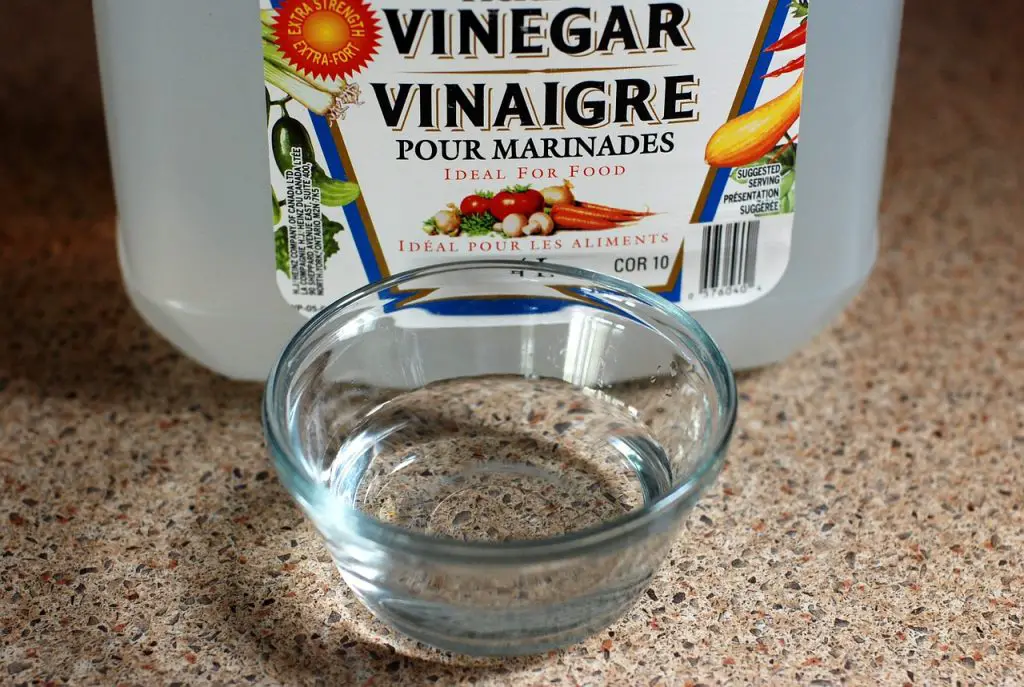
And that thing is vinegar. Yes, this usual household item offers plenty of uses especially when you are living out of a suitcase… or a backpack.

Here are five reasons to bring vinegar when you are travelling:

Why you should bring vinegar when traveling
This your usual household item offers plenty of uses when you travel.

1. Bug repellent

Your regular bug repellent should always be on your packing list, especially on a camping trip or visiting a tropical country.

Combine one part white vinegar and one part water into a spray bottle (the one that comes in a toiletry kit will do) and you have an eco-friendly bug spray.

You can spray it around your tent when camping or your picnic area.

2.Emergency deodorant

Nobody wants to travel in a new city with bad body odour, but imagine running out of deodorant when you are travelling.

It should not be a problem if you are visiting cities with drug stores or where supermarkets are easily available, but if you are going camping or on an off-road adventure, a bottle of vinegar makes a good emergency deodorant.

This might not work for you if you have sensitive skin. (You can try to apply a small amount of water-vinegar solution on your hands first to check for any skin reaction.)

Instead of spraying the solution directly to your underarms, dab them with tissues or cotton balls.

3. Insect bite remedy

Did you know that you can nix the itch of mosquito bites using the same 50-50 mix of water and vinegar?

Just apply some of the solution on the irritated area, and the acidity of the vinegar will help to reduce the swollen bug bite and the itchiness.

4. Natural remedy for jellyfish stings

Why you should bring vinegar when traveling
Jellyfish stings can happen to anyone, anytime or anywhere especially when you are swimming in seawater.

Jellyfish stings can happen when travellers go swimming, snorkeling or diving in seawater.

We have all heard that you’re supposed to pee on jellyfish stings but the best home remedy for jellyfish stings is not urine but vinegar.

Just get out of the water and rinse the sting with undiluted vinegar for 30 seconds.

If there are any visible tentacles left on the skin, pluck them off with tweezers.

5. Ache-relieving foot soaks

Suffering from sore feet during travel is inevitable with all the walking we do as we explore new places.

Believed to have anti-inflammatory properties, vinegar can also help reduce muscle pain.

Try combining two parts water with one part vinegar and soak your feet in the solution for 20 minutes.

It is a cheap and effective solution and your feet will thank you.

5 Malaysian movies inspired by true stories worth watching

Movie makers immortalise people or events through their films.

Although their art cannot imitate life perfectly, some still manage to carry  its essence and convey the message they wanted to.

Here in Malaysia, the movie industry still has lots of room for improvement.

But there are a few local filmmakers daring enough to create movies inspired by true stories.
And here are the ones that are worth your time watching.

1.The Big Durian (2003)

This movie broke records by being the first and only Malaysian film to screen at the prestigious Sundance Film Festival.

The Big Durian’s director Amir Muhammad combined documentary and fiction to bring an event which occurred in October 1987 to the big screen.

On that day, a soldier named Adam Jaafar ran amok, shooting off an M16 rifle in the streets of Kuala Lumpur.

The shooting spree left one person dead when a bullet ricocheted and killed Che Soh Che Mahmud, while several others were wounded.

Apart from Sundance, The Big Durian was also screened at the Singapore International Film Festival, the Hong Kong International Film Festival and the Vancouver International Film Festival.

2.Ola Bola (2016)
5 Malaysian movies inspired by true stories worth watching
Ola Bola.

Ola Bola was inspired by the true story of Malaysia’s football team scoring a place at the 1980 Summer Olympics in Russia.

The film was directed by Chiu Keng Guan and produced by Malaysian film powerhouse Astro Shaw.

Despite its commercial success, the film was disqualified from the 28th Malaysia Film Festival Best Film category because it contained less than 70% Malay language dialogue.

Following this controversy, all non-Malay categories were removed and made eligible to compete for Best Film.

3.Adiwiraku (2017)

When a group of schoolchildren in rural Peninsular Malaysia beat 20 elite schools in an English choral speaking competition, the story was destined to go viral on the internet.

For the students of SMK Pinang Tunggal in Baling, Kedah, participating in an English-speaking competition would have been impossible if it weren’t for their volunteer English teacher Cheryl Ann Fernando from Teach for Malaysia.

Against all odds and even to the team’s own surprise, they came out fifth place beating 20 other schools at the district level competition.

Inspired by this touching story, film director Eric Ong knew he had to make a movie of it.

Ong and his team’s work paid off when Adiwiraku bagged the Best Film Award at the 29th Malaysia Film Festival.

Watch the trailer here.

4.Dukun (2018)
5 Malaysian movies inspired by true stories worth watching
Dukun’s film poster.

Originally slated for a 2007 release, all the red tape surrounding Dukun was finally cut and it premiered in 2018.

Until today, no official statements have been given on why the movie was postponed but most suspect it was due to the film being inspired by the real-life murder of Malaysian politician Mazlan Idris.

An ambitious politician, Mazlan’s murder in the 1990s gathered so much public attention not only because he was a public figure but because of the brutal (and supernatural) nature of the killing and the fact that a Malaysian female pop singer happened to be one of the prime suspects.

After leaving her not-so-successful music career, Mona Fandey (whose real name was Maznah Ismail) made a profession change to black magic, becoming a bomoh or a local shaman.

In July 1993, Mona Fandey together with her husband Mohamad Nor Affandi Abdul Rahman and assistant Juraimi Hassan were reportedly performing a cleansing ritual on Mazlan.

During the ritual, the trio asked Mazlan to lie down, close his eyes and wait for money to fall from the sky. Instead of money, an axe came down on Mazlan, chopping his head off.

He was reported missing on 2 July 1993, but by then his bank accounts were cleaned out of RM300,000. Mona was soon after spotted on a shopping spree and driving a Mercedes Benz.

Her high-spending life was cut short after Juraimi made a statement to the police disclosing the location of Mazlan’s remains, which were buried near Mona’s house in Pahang. He was found in 18 pieces.

The trio were found guilty of Mazlan’s murder and were executed on November 2, 2001 at Kajang Prison.

Watch the trailer here.

5.Bukit Kepong (1981)

We cannot talk about Malaysian movies inspired by true stories without mentioning Bukit Kepong (1981).

The movie was based on an armed encounter which took place on Feb 23, 1950 between the Federation of Malaya Police and the gunmen of Malayan Communist Party during the Malayan Emergency.

The movie was directed by legendary Malaysian actor Jins Shamsuddin.

Over the years, it has become one of the must-feature films on national television channels especially during August, Malaysia’s National Month.

A special mention…

There is one upcoming Malaysian movie inspired by true events which might be worth the hype.

Director Adrian Teh (King of Mahjong, Hungry Ghost Ritual) is working on an action film highlighting the Royal Malaysian Navy’s Naval Special Warfare Forces, otherwise known as Pasukan Khas Laut or Paskal.

Scheduled for a 2019 release,  Paskal is said to be a biopic of Lieutenant Commander Arman Anwar who, in 2011, led a Paskal team to rescue the crew of MV Bunga Laurel which was hijacked by Somalian pirates in the Gulf of Aden.

Filming locations include Kuala Lumpur, Lumut, Kota Kinabalu, Sandakan, Semporna in Malaysia as well as Morocco.

What you need for the perfect clutter-free office desk

Albert Einstein once said, “If a cluttered desk is sign of a cluttered mind, of what, then, is an empty desk a sign?”

Most of us spend a lot of time sitting at our office desks every day. According to Herbalife’s Nutrition At Work 2016 survey, nine out of 10 Malaysian workers spend at least six hours a day sitting at their desk.

While Einstein might be right about cluttered desks and busy minds, a clutter-free office has it perks too. (Admit it, there are desks out there that look like a hurricane passed through your office.)

Besides being clean, clutter-free desks definitely offer less distraction as they keep your mind on the project you are working on. Plus, a minimalist office desk is always looks good on Instagram or Pinterest-worthy.

What you need for the perfect clutter-free office desk
A clutter free desk offers less distraction when doing your work. Credits: Unsplash.

One of the best ways to have a clutter-free office desk is to go paperless. The trees would appreciate your effort too.

Furthermore, you can skip having letter trays and files on your workspace.

Always remember to put away all your books on the shelf unless you need them for your work.

Another tip to have a clutter-free desk is to make sure you clear your desk at the end of day.

That way you can come to a neat, organised office desk every morning.

Here are just the basic things that you need to achieve that clutter free office desk:

1. Planner
No matter if it is a digital planner on your smartphone or a good old book planner, everybody needs one.

It makes your working life easier to create new plans, organise your work and arrange your schedule.

What you need for the perfect clutter-free office desk
Always plan your day ahead in order to be more productive. Credits: Unsplash.

2.Basic Stationery
No, you do not need colourful stapler bullets in your life. And no, you also do not need 12 different colours of highlighters unless you are in the creative field.

If you are in Malaysia, chances are that you will have all sorts of pens from various official functions, hotels or government agencies. Clear or donate them away.

Every job has different needs when it comes to stationery. The plan here is to narrow down which of these stationery are required for your job and stick to the basics.

What you need for the perfect clutter-free office desk
Narrow down your stationaries needs. Credits: Unsplash

3.Stationaries holder
Now that you have all the stationery you need, it’s time to pick your stationery holder.

Again, pick the simplest of them all or choose the cutest mug out there and stuff everything inside.

What you need for the perfect clutter-free office desk
Be very basics when comes to choosing your office accessories.

4.Sticky notes
A sticky note is a miracle piece of paper with a re-adherable ability. It works wonders by attaching itself to documents or desk temporarily.

It also helps people as a reminder or sometimes a to-do list.

For those who are nature-lovers and prefer to go paper-less, you can always use the app version of sticky notes on Windows 7, 8, and 10.

What you need for the perfect clutter-free office desk
The ever useful sticky notes.

5.A small plant

Studies have shown that having some greenery in your office can have positive effects.

Plants reportedly can help reduce stress, increase your productivity and even reduce sickness.

So what are you waiting for? Pick a small plant which suits the size of your office desk.

What you need for the perfect clutter-free office desk
Have you chosen your plant yet? Credits: Unsplash.

8 easy Japanese recipes to try at home

Forget about sushi and sashimi, there are easy Japanese recipes out there for you to try at home.

Fellow Asian countries like Malaysia already have the basic Japanese ingredients like rice and soy sauce.

Other traditional ingredients that you might require to make your own Japanese cuisine at home are miso, dashi, sake and mirin.

In Sarawak, most of Japanese ingredients are easily available at local supermarkets such as Everrise and Ta Kiong.

Here are 8 easy Japanese recipes for you to try at home especially on weeknights:

1. Omurice
8 easy Japanese recipes to try at home
Omurice. Credits: Pixabay.

For Malaysians, omurice is the closest thing you have to nasi goreng Pattaya.

It consists of fried rice covered with an omelette.

The rice is usually fried with chicken and various vegetables. Then a thin sheet of fried rice covers the top of the rice.

2.Tonkatsu
8 easy Japanese recipes to try at home
Tonkatsu anyone? Credits: Pixabay.

Tonkatsu is one of those easy Japanese recipes you might think is NOT so Japanese.

Tonkatsu (a combination of ton for ‘pork’ and katsu for’cutlet’)  is a breaded, deep-fried pork cutlet often served with shredded cabbage.

It’s easy to make. Salt and pepper your pork fillet, then cover it with flour. Dip the meat into a beaten egg before coating it with panko. Panko is a kind of Japanese bread crumb easily available at the supermarket or a Japanese store.

Can’t find panko? Make your own bread crumbs by ripping up some bread, spread it on a baking sheet and put it in the oven at 300 F degrees for 6-8 minutes or until it’s a golden brown. Then crush it into powdery form.

You can either deep-fry the tonkatsu or bake it in the oven for a healthier option.

3.Katsudon

Once you know how to make your own deep-fried pork cutlet, now you can make katsudon.

This dish is a bowl of rice topped with pork cutlet, egg and some vegetables.

4. Gyudon

What you mainly need to make gyudon is beef, onion, dashi, soy sauce, mirin and salt.

Simmer the thinly sliced beef and onion with all the seasoning above. Once it is cooked, pour the beef on top of hot steaming rice.

If you like, add on a raw egg or soft poached egg.

For a complete Japanese experience, serve your gyudon with Japanese pickled ginger (beni shoga) and ground chili pepper (shichimi).

https://www.youtube.com/watch?v=dGdOZBQcbbg&pbjreload=10

5.Oyakodon

Oyakodon is almost similar to katsudon and gyudon.

But for oyakodon, the ingredients such as chicken, egg, scallion, onion are simmered together in soy sauce and stock.

After it is cooked, it is poured on top of a bowl of rice.

6.Onigiri Rice Balls

Forget about Korean kimbap, onigiri is much easier to make for that perfect lunch takeaway.

It is made from normal plain rice formed in triangular shapes and wrapped in seaweed.

Traditionally, the filling is usually made from pickled ume, salted salmon and other fancy Japanese ingredients.

But you can always make your own simpler version of onigiri with ingredients which are already available in your kitchen.

For example, tuna with mayonnaise, or even small portions of fried food such as fried chicken or pork.

7.Miso Soup with tofu

This is one of those easy Japanese recipes which only requires you to boil.

Apart from being easy to make, it is also a healthier cooking method.

Firstly, boil water your nori (seaweed) for few minutes. Then, put in some tofu and if you like some green onions. Finally, add in your miso paste.

8.Niratama Donburi

The word niratama comes from nira which means garlic chives and tama which is an abbreviation of tamago (egg).

So this dish is basically made of eggs and garlic chives stir fried together to make an omelette.

After that, put it on top of a bowl of rice and get ready to dig in.

Legends and nature of Fairy Cave Bau

Fairy Caves is one of the main attractions in the Bau area located about 40km from Kuching city.

The cave was named after a stalagmite structure which is said to resemble a Chinese deity.

The site covers around 56 hectares and is popular among local climbers.

Overall, Fairy Cave has eight separate walls with over 80 climbs in different ranges of difficulties.

Of course, there are more beyond the walls of Fairy Cave – you’ll find legends and nature interlacing together making it popular among local and foreign visitors alike.

Legends and nature of Fairy Cave Bau
A man-made fountain called ‘Titisan Air Fairy’, which translates to ‘fairy water drops’ was erected in the cave. The fountain has long since dried up but the boy’s statue remains.

Legends of Bau’s Fairy Cave

According to historian Chang Pat Foh, the legends behind the stalactites and stalagmites lie in the story of a poor boy and his mother who lived at a big Bidayuh kampung known as Kampung Kapur located near Fairy Cave.

One day, a Gawai celebration was being held at one of the kampung houses.

Curious, the boy came and peeped in on their celebration, which made the homeowner unhappy.  Rather than simply chase the boy away, the mean-spirited homeowner collected some sugarcane waste and gave it to him, telling him there was pork inside.

Happily, the boy went home and presented what he thought was a gift to share with his mother. When his mother found nothing but sugarcane waste instead, she was humiliated and so began plotting her revenge on the proud village folk.

She took a cat, put it in a beautiful dress and threw the cat into the middle of her neighbour’s Gawai celebration to the surprise of its attendees.

They began to laugh at the sight of a cat in a dress. Their laughter brought on a storm, and the sky roared with thunder and lightning. When the storm eventually stopped, all the villagers had turned into stone.

They are what make up the stalagmites and stalactites inside Fairy Cave.

Another version of the legend is that it was the boy who threw the cat in the middle of celebration and that the mother had instructed him to cover his head with a chicken basket so that the curse would not touch him.

Besides the Bidayuh community, the Chinese have also their own interest in the Fairy cave as the cave is believed to be home for Chinese gods and goddesses.

Some of the rock formations were even named after Chinese deities such as Kuan Yin, the goddess of Mercy.

Browse through this photo gallery of Fairy Cave by KajoMag:

Apart from mystical legends, Fairy Cave is also believed to play a role in Sarawak history as members of Japanese forces used it for shelter during World War II.

Later, communist fighters used it for the same purpose in the ’60s.

Fairy Cave and its nature

Besides being rich in legends and tales, the cave is also rich in nature.

Fairy cave, along with Wind Cave is home to the slipper orchid Paphiopedilum stonei.

This species is one of the highly prized orchids according to Hans P Hazebroek and Abang Kashim Abang Morshidi in National Parks of Sarawak.

Sarawak government gazetted Wind Cave and Fairy Cave as a nature reserve to protect the caves and the biodiversity inside.

The reserve is home to palms such as Arenga pinnata and Arenga undulatifolia.

There are also up to 14 species of bats, 12 species of snails and black-nest swiftlets found in the reserve.

A visit to Fairy Cave

Legends and nature of Fairy Cave Bau
A fantastic view from inside the cave.

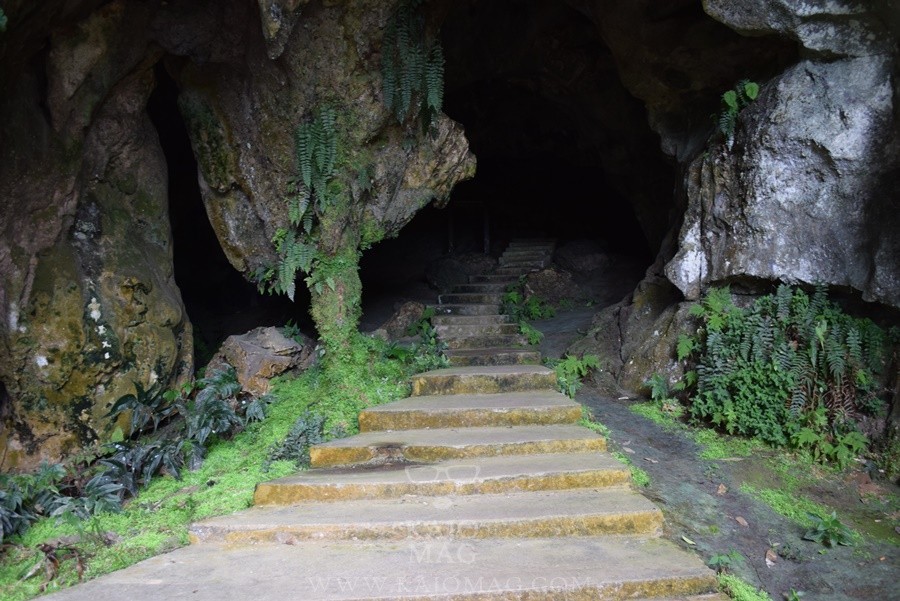
There is a flight of  concrete steps leading up to the entrance located high in the limestone cliff, which makes this place not suitable for the elderly or small children to visit.
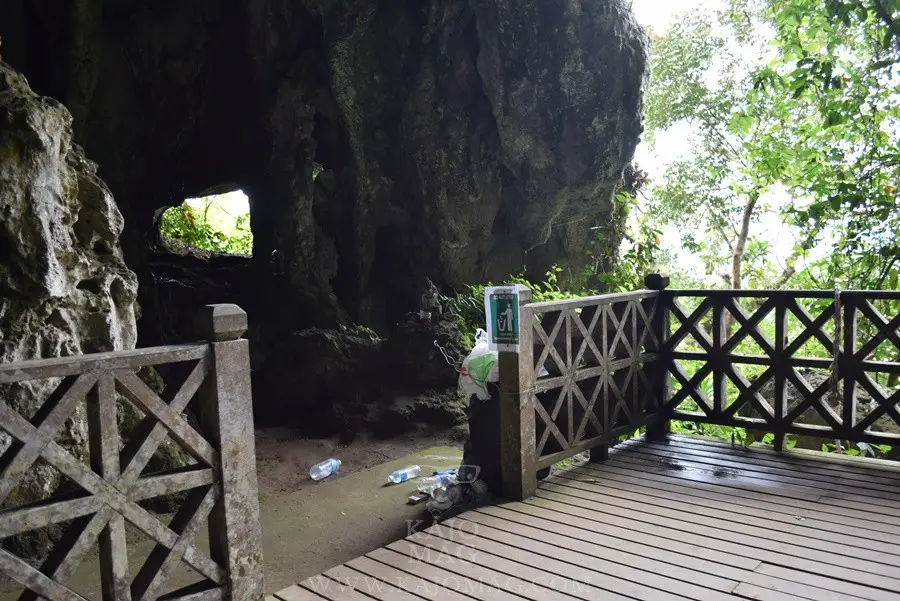
Next to the concrete steps, there is a narrow stone ladder covered in mold and in ruin. These were the old steps which led up to the cave entrance.

Once you get inside, there are plank walks for visitors to explore the cave.

Apart from that, Fairy cave makes a good site for a pleasant visit in the morning when the weather is a bit chilly.

If you are an avid photographer, the place offers a great location to explore outdoor photography.

The downside?

The disappointing part of Fairy cave is the rubbish. With only two dustbins on site, it’s time we start taking our litter home instead of leaving it behind at a nature reserve.

Legends and nature of Fairy Cave BauBring back your own rubbish, and start using reusable bottles for your drinking water.

Nando’s: The PERi-fect Dish Chicken Lovers Simply Adore

As a big fan of anything delicious, KajoMag was invited to Nando’s 20th celebration in Malaysia at Aeon Mall on June 7th.

Nando's: The PERi-fect Dish Chicken Lovers Simply Adore
Nando’s: The iconic Mozambican-Portuguese style chicken dish

Did you know that Nando’s first came to Malaysia 20 years ago?

Serving up their signature flame grilled chicken with its PERi-PERi sauces adored by chicken lovers all around, Nando’s first outlet to open in Malaysia was in Kuala Lumpur.

Today, Nando’s has 73 outlets nationwide, including three in Kuching (tHe Spring, Vivacity Megamall and Aeon Mall Kuching Central) and three in Kota Kinabalu (Imago Shopping Mall, 1 Borneo Hypermall and Oceanus Waterfront Mall).

“We are excited about reaching such a significant milestone here in Malaysia, We started in 1998 and 20 years on and we are still firing up the tastebuds of our amazing fans and hitting a few new-comers as well,” said CEO of Nando’s Malaysia, Stephen Chow. “Our magical little chilli called PERi-PERi is to thank for this as it is our heart and it is truly unique to Nando’s.”

Nando's: The PERi-fect Dish Chicken Lovers Simply Adore
The juicy and savoury chicken wings smothered in its PERi-PERi sauce

At Nando’s, we were served its usual iconic mouth-watering dishes such as their succulent chicken, savoury Portobello mushrooms, chicken wings, Mediterranean rice, coleslaw, grilled vegetables, potato wedges and sweet potato fries.

Nando's: The PERi-fect Dish Chicken Lovers Simply Adore
A must try: Nando’s sweet potato fries are simply addictive!

Later, we were served a plate of PERi-PERi chocolate brownies sprinkled with chilli flakes.

Nando's: The PERi-fect Dish Chicken Lovers Simply Adore
Assorted vegetables such as tomatoes, carrots and cucumber with their smokey PERi-PERi drizzle. To eat, mix the PERi-PERi sauce with the drizzle before dipping your choice of food into the mix.

That night, Nando’s also provided raw ingredients for guests so that they could custom-make their own PERi-PERi sauces.

In conjunction with Nando’s 20th anniversary in Malaysia, here are some interesting facts every Nando’s fan should know about the iconic Mozambican-Portuguese style chicken dish.

How it all started

Nando’s began in a small town of Johannesburg in South Africa in 1987. The restaurant was founded when Portuguese born audio engineer Fernando Duarte introduced his friend, entrepreneur Robbie Brazin to a Portuguese takeaway called Chickenland. After tasting the chicken, cooked in piri piri, a Portuguese chilli sauce from a pepper found in Mozambique, they bought the restaurant and renamed it Nando’s.

The restaurant was named after Fernando’s first born son.

After two years, the restaurant has four outlets, three in Johannesburg and one in Portugal.

Today, Nando’s has about 1,000 outlets in 30 countries.

The African bird eye chilli is the heart of Nando's great flavour and PERi-PERi sauces.
The African bird eye chilli is the heart of Nando’s great flavour and PERi-PERi sauces.

The Bird’s Eye Chilli

The iconic tiny red PERi-PERi chillies are unique to Nando’s.

They are grown in the rich soil and under the blistering hot sun in South Africa.

It takes 42, 000 chillies to fill one 14 kg bag and every year, they produce 25, 000 bags. That’s over a billion chillies!

Each chilli plant produces about 300 chillies which are hand-picked and plucked one at a time.

Hand sorted and naturally dried, the PERi-PERi chillies grow pointing up towards the hot sun.

The who, how and where of the PERi-PERi chillies

Nando’s grows its own PERi-PERi chillies with the help of 1,400 independent farmers in Southern Africa.

Nando’s sell PERi-PERi seedlings to the farmers and guarantees to purchase their crop at a pre-agreed fair price.

The chillies are grown on 494 acres of PERi Farms in Mozambique, South Africa, Zimbabwe and Malawi.

What is in the sauce?

Every Nando’s lovers know that the chicken gets its awesome flavour from the marinating process. In Nando’s, the chickens are marinated for 24 hours before they are grilled to perfection.

And depending on one’s choice, you can smear the chicken with your choice of heat level.

Tailored for a variety of customers, Nando’s choice of sauces consist of Extra Hot, Hot, Mild, Mango & Lime, Lemon & Herb and Plain…ish.

And if you ever wonder how the got its mouth mind-blowing flavour, it contains the mixture of onions, oil, herbs, fresh lemons and a kick of garlic.

The feel-good effect of PERi-PERi chillies

Eating spicy food gives a feel good effect for your body.

This would explain why you would feel happy after spending some time eating at Nando’s. The PERi-PERi chillies contain capsaicin which is responsible for the feel-good sensation causing your pupil to dilate and your metabolic rate to increase as you feel the rush of endorphins.

Apart from that, PERi-PERi is also rich in vitamins A, B and C.

To know more, check out their website at www.nandos.com.my

Nando's: The PERi-fect Dish Chicken Lovers Simply Adore
Nando’s Malaysia CEO Stephen Chow (second left) at Nando’s 20th year in Malaysia celebration at Aeon Mall Kuching Central.

5 fast food chains we wish would come to Sarawak

Sarawakians are known to be proud for our own local food but we also appreciate foreign flavours even – and in some cases, especially – if it comes in the form of fast food chains.

While Sarawak already enjoys KFC, McDonalds, Nando’s, Subway, Burger King and Pizza Hut, most of us want more.

Here are 5 fast food chains we wish would come to Sarawak:

  1. Domino’s Pizza

Although in February 2018, Domino’s Pizza became the largest pizza seller worldwide, it has yet come to Sarawak.

Now there are two pizza restaurant chains in Sarawak, Pizza Hut and Pezzo.

A post shared by Domino’s Pizza (@dominos) on

2. In-N-Out Burger
For celebrity chef Anthony Bourdain who called our Sarawak laksa the breakfast of the gods, he called In-N-Out “the only fast food chain that I actually like, and think is reasonably good for the world.”

If Bourdain thought In-N-Out Burger was reasonably good for the world, it is good for us Sarawakians.

Their menu features three burger varieties; hamburger, cheeseburger and double-double (two patties and two slices of cheese).

A post shared by In-N-Out Burger (@innout) on

3. Jollibee

This Filipino fast food chain serves American style dishes such as burgers, spaghetti, chicken on top of some Filipino dishes.

Jollibee also offers a range of rice meals include Garlic Pepper Beef, Ultimate Burger Steak, All-day Garlic Bangus (milkfish) and Burger Steak.

As of April 2018, there are about 1,200 Jollibee outlets worldwide. Interestingly, the only Jollibee opened in Malaysia was closed down due to the 1997 financial crisis. Perhaps the next one will open in Sarawak?

A post shared by Jollibee (@jollibee) on

4. Dunkin’ Donuts

Sabah has Dunkin’ Donuts… so how come Sarawak doesn’t have one?

When it comes to doughnuts in Sarawak, we have to settle with local bakeries and Big Apple Donuts.

If we were to compare these two joints, Dunkin’ Donuts serve better coffee than Big Apple Donuts. What do you think?

5 fast food chains we wish would come to Sarawak
A piece of doughnut goes well with a cup of coffee. Credits: Pixabay.

5. 4Fingers Crispy Chicken

At 4Fingers Crispy Chicken, the food is only prepared when you order which is why you can taste the crispiness of the chickens right away.

They serve Korean-styled fried chicken, which is usually seasoned with spices both before and after being fried.

Another highlight of this food joint, is its kimslaw, a side dish made of kimchi and coleslaw.

As for the fries, you pick your own flavour such as kimchi or seaweed.

This Singapore fast food chain was only established few years ago in 2009.

Now it has expanded its business to Malaysia, Indonesia and Australia.

5 fast food chains we wish would come to Sarawak
4Fingers Crispy Chicken

Any fast food chains you wish would come to our shore? Let us know in the comment box.

Soak your body in Panchor Hot Spring for natural healing

When it comes to hot springs near Kuching, people automatically think of the Annah Rais Hot Springs.

For a lesser known, equally calming hot spring about 40km from Kuching city, there’s the Panchor Hot Spring located at Kampung Panchor Dayak which is accessible via Kuching-Serian Road.

It is famous among locals who believe a dip in the hot spring water will promote natural healing.

Soak your body in Panchor Hot Spring for natural healing
Welcome to Panchor Hot Spring!

Among the minerals which had been found in the water are calcium and sulfur.

According to the information displayed on the board at the hot spring, the Panchor Hot Spring haspositive therapeutic effects for skin ailments.

On top of that, it is also believed the minerals in the water can help to soothe arteriosclerosis, rheumatism and joint pains.

Some visitors have a dip in the hot spring for its detoxifying effects.

Soak your body in Panchor Hot Spring for natural healing
Visitors relaxing by the pool.

Firstly, here are the precautions visitors need to take when dipping at Panchor Hot Spring:

  1. Dip your feet first in order for your body to fully adjust to the temperature. The average temperature of water at Panchor Hot Spring is 42oC. Then slowly submerge your whole body into the pool.
  2. If you are not comfortable with the temperature, get out of the pool and take a rest. Visitors are advised to take cold water to alleviate any dizziness that might occur because of the hot temperature.
  3. Never ever jump directly into the pool. After your dip in the hot spring, do not immediately take a shower. Let your body temperature cool down first.
Soak your body in Panchor Hot Spring for natural healing
Never ever jump directly into the pool.

Panchor Hot Spring Facilities

Soak your body in Panchor Hot Spring for natural healing
A visit to Panchor Hot Spring gives back to the local community.

The hot spring is currently managed by the village security and development committee.

Thus, a visit to Panchor Hot Spring gives back to the local community.

Its facilities were upgraded by the Tourism Ministry in 2013 with electricity provided to the site.

There are wooden planks surrounding the pools making it convenient for visitors to sit by the hot spring while soaking their feet.

Visitors do not have to worry the about the weather as the pool areas including the corridors leading to it are covered with roofing.

Other basic facilities include a resting hut complete with benches and tables, public toilet and changing room.

Surrounded by forest, the hot spring makes another serene and short getaway from your hectic life in Kuching.

The hot spring is open daily from 7am till 10pm.

Soak your body in Panchor Hot Spring for natural healing
Pathway leading to the hot spring.